
 Last weekend, historians of the early Republic convened in St Louis for the SHEAR annual meeting. As is normal for a meeting that takes place each year in mid-July, the heat and humidity during the day was rather intense (I somehow suspect this is a deliberate design to make the air-conditioned conference rooms a welcome solace!). As with Tom’s post covering the Omohundro conference last month, I can’t possibly hope to give complete coverage. As ever, the number of panels I wanted to attend was greater than the number of panels I could physically attend—the sign of an invigorating conference, for sure, but also a conference whose scope can’t be summed up in 1000 words. If you attended, please add your own reflections in the comments. Continue reading
 The SHEAR Annual Meeting kicked off this year with the Presidential Plenary session, “Missouri: Crossroads of the Early Republic?” Using the conference’s location as a jumping-off point for discussions of the diverse and multifaceted history of the early nineteenth century, four distinguished historians offered reflections as if located in Missouri, looking across the North American continent in different directions. Walter Johnson then concluded the roundtable with the notional title “Looking Forward,” but calling attention to some ways in which the session might profitably be used by historians looking to introduce new themes and stories into their teaching.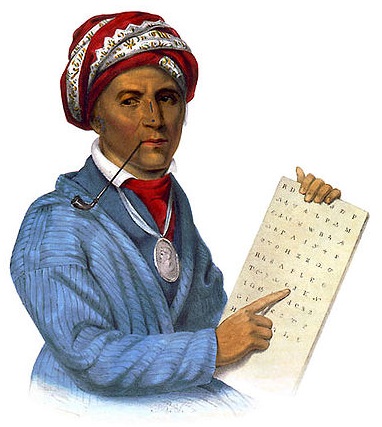
 This year’s annual meeting of the Omohundro Institute for Early American History and Culture was hosted with panache by Philip Morgan at Johns Hopkins University. It was apt that it took place in Baltimore, the birthplace of Ron Hoffman, whom the conference honoured as he steps down from a long tenure presiding over the institute. At the closing roundtable, a number of senior scholars movingly—and
  The
The  The Junto