The Omohu ndro Institute and the University of Southern California-Huntington Library Early Modern Studies Institute are pleased to announce the tenth in a series of William and Mary Quarterly-EMSI workshops designed to identify and encourage new trends in understanding the history and culture of early North America and its wider world.
Participants will attend a two-day meeting at the Huntington Library (May 29–30, 2015) to discuss a precirculated chapter-length portion of their current work in progress along with the work of other participants. Subsequently, the convener may write an essay elaborating on the issues raised at the workshop for publication in the William and Mary Quarterly. The convener of this year’s workshop is Sarah Barringer Gordon of the University of Pennsylvania. Continue reading
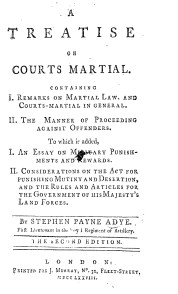 One of the most provocative aspects of the popular Netflix series Orange is the New Black is the way it grapples with the issue of class (as well as race, gender, and sexuality) as it relates to the contemporary American penal system. By contrasting the prison experiences of the main character, Piper, an upper middle class white woman, with those of a range of working class and minority characters, the show invites a deeper reflection on the complex ways in which class divisions help shape and organize a supposedly impartial system of justice. In my own research on British military courts during the Revolutionary War, I have found that class, specifically the divide between officers and enlisted men, also helped determine crucial aspects of the military justice system.
 Mail service was suspended in New England on Saturday (sadly, a
  The Junto