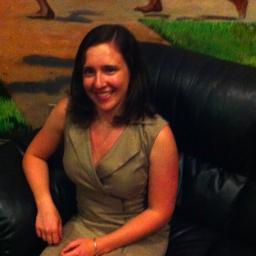
 The Junto is happy to announce the addition of Sara Damiano, a PhD candidate in the History Department at Johns Hopkins University, to the blog’s membership. Continue reading
Monthly Archives: August 2013
When Was the Last Time You Loved America?
Few issues trouble historians of all stripes more than the disconnect between “popular” and “academic” history. Somewhere in the mists of the recent past the Age of Hofstadter gave way to, at best, the Age of McCulloch and, at worst, the Age of Barton.[1] The waning influence of professional historians in the public sphere particularly troubles the historical blogosphere. The popular-academic history disconnect is something addressed a lot here at The Junto, including with a podcast.
I am, as I said on the JuntoCast episode, particular dour about the possibility of bridging this gap. Academic historians, public historians, and interested members of the public more often than not talk past each other. How each group defines “good” or “useful” history is often so at cross-purposes that it sounds like one side is speaking English, another French, and another Dothraki.[2] My attention was recently drawn to a series of posts by Peter Feinman at New York History, which deeply entrenched my Eeyore-like-sullenness when it comes to these questions. Continue reading
Guest Post: Pauline Maier and the History of Women in History
Sara Damiano is a Ph.D. candidate at Johns Hopkins University. Her dissertation is entitled, “Gender, Law, and the Culture of Credit in New England, 1730-1790.”
 How should we choose to remember the lives and works of historians, and what do these choices say about our profession? The recent deaths of Edmund Morgan and Pauline Maier have led me to ponder these questions. I have watched with interest as historians have taken to social media—blogs, H-Net listservs, Twitter, and Facebook—to celebrate the lives of Morgan and Maier and to critique commemorations in the national press.
Early American Film in the Classroom
 The Junto has published a number of posts about early America in popular culture and media. Until the last few years, films and television shows about early America have been relatively scarce, outside a number of multi-episode public television and cable documentaries. However, in addition to HBO’s John Adams, there are a number of projects in the works including a television series about the Sons of Liberty and another about John Brown. As the semester nears and my teaching duties turn to the American Revolution, I have inevitably been thinking about early American multimedia in the undergraduate classroom. Continue reading
Collecting Delaware
T his week, Chief Curator Constance Cooper shares what’s next for the past at the Delaware Historical Society. Continue reading
Traces of Early America
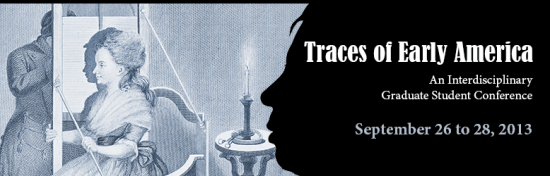
Early American History, interdisciplinarity, digital humanities, invigorating conversation, and early-career camaraderie. What more could anyone ask from the McNeil Center for Early American Studies’s biennial graduate-student conference? The answer is: you.
Lowell Mason’s Family Tree of Teachers
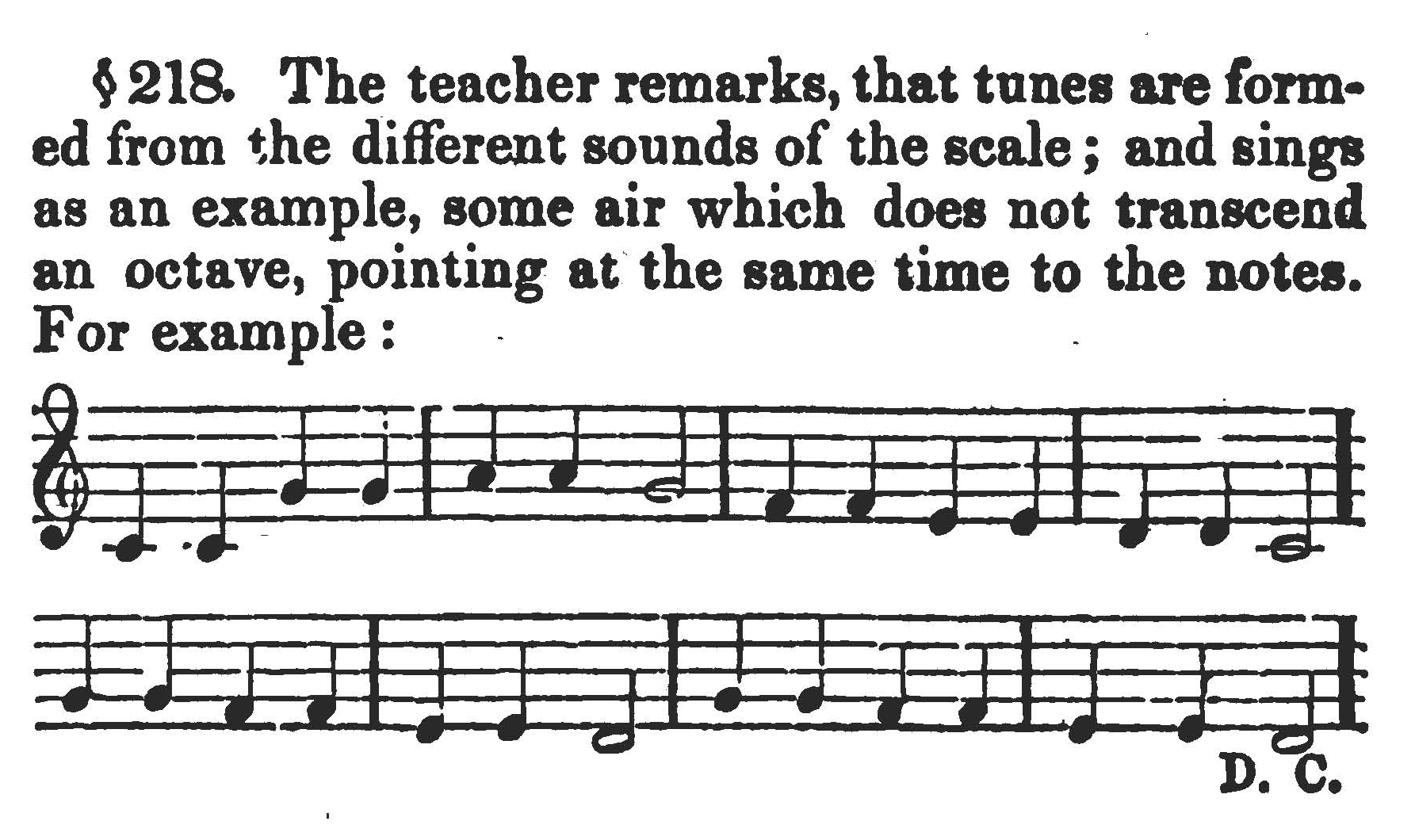 It is well known that Lowell Mason (1792-1872) was a major figure in 19th-century American music education. He pioneered the first public school music curriculum in Boston in the 1830s, and thanks, in part, to his efforts music was a integral part of public education for the next 150+ years. If you studied music in grade school, you can thank (or blame) Mason. My own career as an educator and a musician is indebted to Mason’s innovations. With the fall semester about to begin, I find myself wondering about the intellectual, pedagogical, and personal lineages between teachers and students. What can I learn from Lowell Mason’s “family tree” of teachers? Can tracing our own lineages help us understand what kind of teachers we are? Continue reading
Manco Capac and the Global American Founding
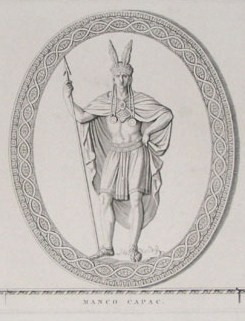 Everyone’s thinking more globally these days, historians included. But constructing a historical imagination that encompasses the whole planet isn’t only a project of the twenty-first century. The American Revolution took place in an age of global exploration, commerce, and empire. When people wrote and thought about the new nation’s founding, they didn’t look just to Europe and the classical world for connections and comparisons, but to Asia and South America as well. Writers were eager to show that the context in which they understood American events was a global one. Take for example the career of Manco Capac, founding father of the Inca kingdom of Cuzco. Continue reading
The Week in Early American History
 There’s a lot to get through this week, so let’s jump right into it. Continue reading
Seeing Dead People: Biography in the Survey
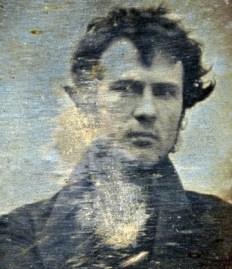 This fall, I’m teaching a freshman U.S. history survey with a couple of unusual requirements. First, my class covers American history, from the seventeenth century to the twentieth, in a single frenzied semester. Second, and also by school policy, all the readings in the course must be biographical. Continue reading
 The Junto