Today’s guest post is by Emily Merrill, a PhD candidate in the History Department at the University of Pennsylvania. Her research focuses on issues of gender and military history in the British Atlantic world during the 18th century. She is currently completing a dissertation entitled, “Judging Empire: British Military Courts and the Politics of the Body.”
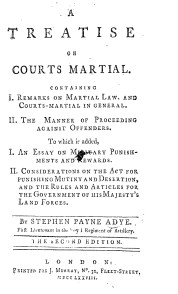 One of the most provocative aspects of the popular Netflix series Orange is the New Black is the way it grapples with the issue of class (as well as race, gender, and sexuality) as it relates to the contemporary American penal system. By contrasting the prison experiences of the main character, Piper, an upper middle class white woman, with those of a range of working class and minority characters, the show invites a deeper reflection on the complex ways in which class divisions help shape and organize a supposedly impartial system of justice. In my own research on British military courts during the Revolutionary War, I have found that class, specifically the divide between officers and enlisted men, also helped determine crucial aspects of the military justice system. Continue reading

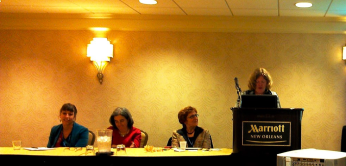 For early Americanists, fall is conference-planning season. Proposals for the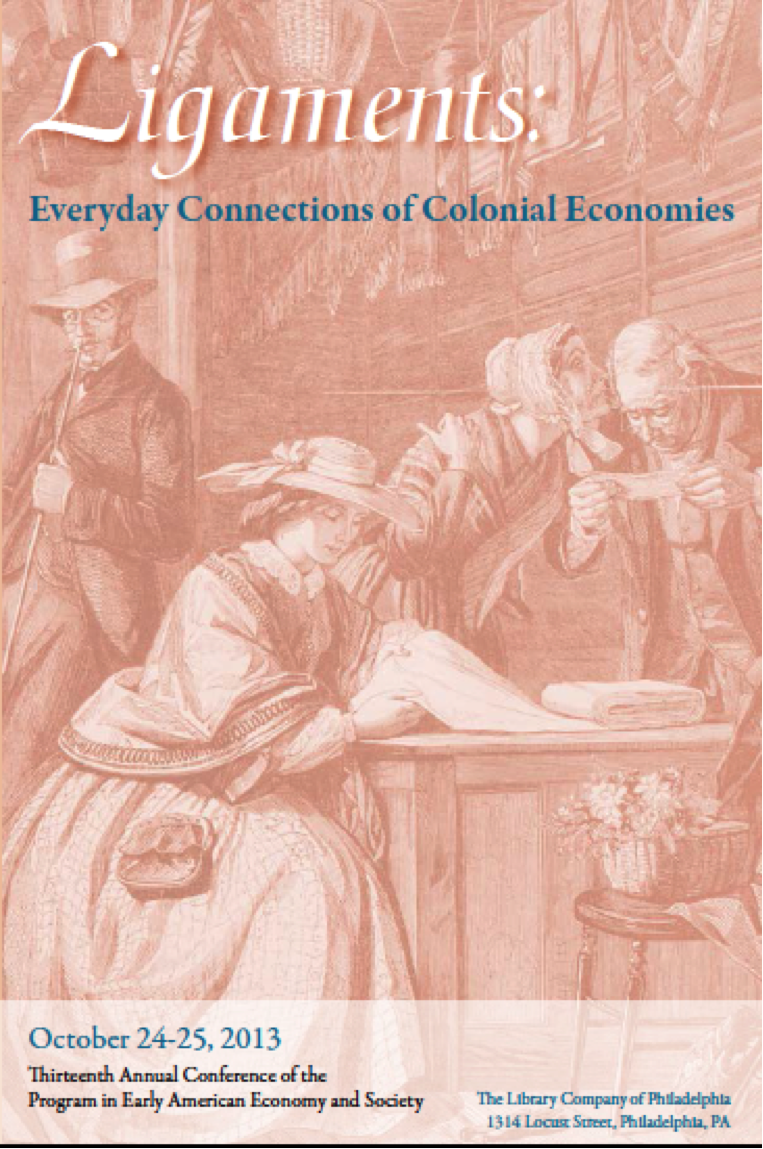

 How should we choose to remember the lives and works of historians, and what do these choices say about our profession? The recent deaths of Edmund Morgan and Pauline Maier have led me to ponder these questions. I have watched with interest as historians have taken to social media—blogs, H-Net listservs, Twitter, and Facebook—to celebrate the lives of Morgan and Maier and to critique commemorations in the national press.
 The Junto