Roundtable: Teaching History in the Trump Era

This is the second post in the series on Teaching Amid Political Tension (read Part I). Today’s post is by Gautham Rao, who is an Assistant Professor of History at American University. He is on Twitter @gauthamrao.

One day in my small undergraduate historiography seminar a few years ago, one student said something really offensive to another student. I can’t really repeat the offending sentence, but it involved a racist aspersion toward a student of color and the offender invoked the name of then-candidate Trump as he spat out the shocking utterance. I remember being so shocked at what I had heard, and the condescending way in which it was said, that I shrank from the occasion. Luckily, the student at whom the comment was directed was more than capable of standing up for herself and others. No matter, I went home that day feeling like I had failed my students. The feeling did not go away for a long time.
Continue reading

Roundtable: Teaching with a Historical Sense and Respect

This is the first entry in our series on Teaching Amid Political Tension. Today’s post is by Tara Strauch, who is an Assistant Professor of History at Centre College in Danville, KY. You can find her blogging at Teaching United States History, and Centre Trail (where she will soon also have podcasts.) Find her on Twitter @historian_tara.

I teach at a small liberal arts college in Kentucky. Like many academics, I spend most of my time teaching, thinking about teaching, and mentoring. I genuinely enjoy my students; they are smart, thoughtful, engaged, and generally eager to learn new things. And while the past year has been an interesting one to spend on a college campus, my students haven’t seemed remotely surprised about the political, racial, and class tensions that have occasionally swept across campus.

Continue reading

Roundtable: Teaching Amid Political Tension

For many teachers in both primary and secondary education, the classroom feels like a far more tense place as we head back for the 2017-2018 academic year than it did just a year ago, thanks to what seem like tectonic shifts in America’s political and social landscape. American history has become ever more politicized as metaphors and analogies abound between contemporary politics and earlier eras and figures―the founding and Andrew Jackson among the most prominent.

Continue reading

Q&A with Adrian Miller

Publicity photo with logo and sayingToday we’re featuring an interview with Adrian Miller, author of The President’s Kitchen Cabinet: The Story of the African Americans Who Have Fed Our First Families, from the Washingtons to the Obamas. Miller is a food writer, attorney and certified barbecue judge who lives in Denver, CO. He is currently the executive director of the Colorado Council of Churches and, as such, is the first African American and the first layperson to hold that position. Miller previously served as a special assistant to President Bill Clinton and a senior policy analyst for Colorado governor Bill Ritter Jr. He has also been a board member of the Southern Foodways Alliance. Miller’s first book, Soul Food: The Surprising Story of an American Cuisine, One Plate at a Time won the James Beard Foundation Award for Scholarship and Reference in 2014. Continue reading
Tailoring Lectures and Discussions to Students: Teaching Religion and Reform in Early America

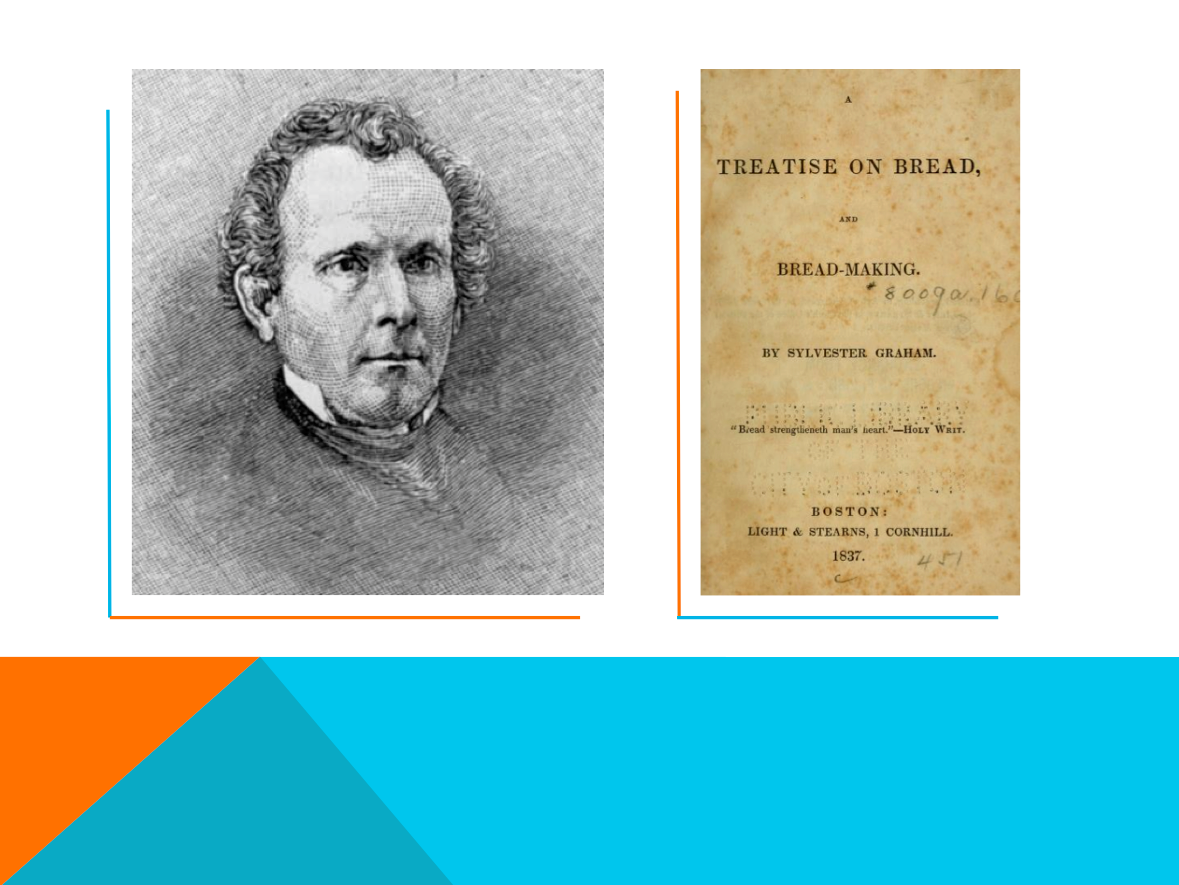
This summer, I’m teaching a small section of United States History to 1877. Meeting four days each week for an hour and fifteen minutes, we cover over the course of seven weeks what is typically covered in shorter meetings three days/week over a normal fifteen week semester. This is my first time doing so, and it’s forced me to rewrite and combine some plans for each day’s meeting, and in some cases, to scrap lecture material normally used. Continue reading