We are pleased to feature a guest post from Benjamin Carp (@bencarp), the Daniel M. Lyons Professor of American History at Brooklyn College, CUNY. Carp is the author of both Defiance of the Patriots: The Boston Tea Party and the Making of America and Rebels Rising: Cities and the American Revolution.
“I want the historians to respect this.” –Lin-Manuel Miranda, according to Ron Chernow

In the lobby of the Public Theater, two statues flanked the doorway—the likenesses of Alexander Hamilton and Aaron Burr stretched out their arms and aimed their dueling pistols at one another, and it was hard not to feel as if I was standing in the middle. Lin-Manuel Miranda, the son of Puerto Rican immigrants, wrote the musical Hamilton and stars in the title role. He portrays the first Secretary of the Treasury as a “bastard, orphan, son of a whore and a Scotsman” and an immigrant striver made good; throughout his career, Hamilton is arrogant about his talents but perpetually insecure about his place. As told by Miranda, Hamilton is both self-made and self-unmade, wry and seductive and yet constantly raging against anyone who might hold him back. Continue reading
 On to the links!
  I like eye-catching book titles. Who doesn’t, right? A good title should run of the tongue without too much fuss, while also championing the main argument(s) of the book. Recent books with titles that caught my eye include Benjamin Irvin’s Clothed in Robes of Sovereignty, Jessica Roney’s Governed by a Spirit of Opposition, and Albrecht Koschnik’s “Let a Common Interest Bind Us Together.” To be sure, there are others, and they are held together by a common thread: Despite looking at different periods with different objectives, each title offers a snapshot of what the reader can expect to find.
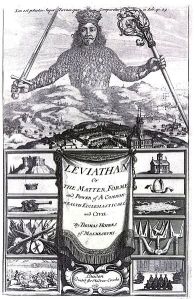 “Considered broadly,” says Douglas Bradburn, “the problem of ‘citizenship’ remains one of the most compelling contexts to attempt to understand the process, limits, and meaning of the American Revolution.”[1] This post is a brief exercise in the problem of American citizenship in the immediate post-revolutionary era (and a note towards an article-length project on international law in the new republic). It begins with the dilemma of dealing with the fallout of a civil war like the War of Independence, and it follows the reception of a slightly unexpected figure in the history of American political thought: Thomas Hobbes.
 The Junto