
“A Lady & Children,” 1780 mezzotint, the British Museum.
Human reproduction is simultaneously unchanged and radically different over time and across cultures. This paradox has preoccupied me for over a year as I carried and gave birth to my first child one year ago today, and as I watched my sister follow the same path soon after. Throughout my pregnancy, delivery, and now early motherhood, I’ve found myself thinking often long-dead women and pondering how vastly different our experiences of the same condition must be.
Pregnancy and birth generate intense feelings. Most parents experience joy, hope, and fear. As a historian, I regularly identify with the women I encounter in the archive. The empathy born of our shared biological and emotional experiences generated two additional emotions that most new parents may not: gratitude, on the one hand, and anger on the other. Continue reading
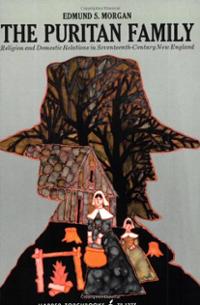
 I planned on doing another “Articles of Note” post for today since it’s been a few months since the last one, and lots of new articles are indeed noteworthy, but I’m feeling lazy today. Plus, as a more legitimate excuse, the William and Mary Quarterly just put out an issue that is worth highlighting by itself. What originated as a conference sponsored by the OIEAHC and the Institute for Historical Studies at the University of Texas at Austin, “Centering Families in Atlantic History” addresses an important (and often neglected) issue in the vibrant, popular, yet often uneven field of study based around the Atlantic Ocean. In brief, two of the lessons that stood out the most to me were 1) the importance of family connectedness within an era usually dominated by an emphasis on empires and states, and 2) the much-needed diversification that encompasses much more than just Anglo-America (perhaps the biggest problem with the “Atlantic History” field.)
 The Junto