This semester I’m teaching Revolutionary America, a class which has allowed me to ease into teaching because my dissertation (ahem: book manuscript) focused on the more narrow topic of Native and enslaved foodways during and after the war.
I’ve framed the class around the question of how ordinary people experienced the Revolution. Lately I’ve been talking with students about the declension narrative pervasive in Native American history, because it’s one of the things I’m contemplating as I begin to think about revisions.[1] Continue reading
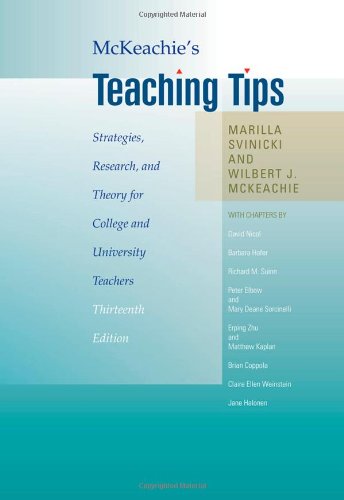 In all the teaching orientations and training manuals I’ve encountered, they all advise instructors not to be afraid of silence. The average student, they say, takes up to 8 seconds to mentally prepare an answer to an analytical query. But what happens when the silence isn’t because students are choosing which of their brilliant thoughts to share with the class but because most of them failed to do the reading? I suspect every college teacher has had a class session in which most questions were met with complete silence. What can we, as the instructors, do in such situations? And how can we better incentivize students to take their assigned reading seriously?
 The Junto is happy to present the fourth episode of “The JuntoCast.” In case you missed our first three episodes, “The JuntoCast” is a monthly podcast in which members of The Junto discuss issues of both academic and general interest related to early American history, pedagogy, and public history.
 The Junto has published a number of posts about early America in popular culture and media. Until the last few years, films and television shows about early America have been relatively scarce, outside a number of multi-episode public television and cable documentaries. However, in addition to HBO’s John Adams, there are a number of projects in the works including a television series about the
 The Junto is happy to present the third episode of “The JuntoCast.” In case you missed our first two episodes, “The JuntoCast” is a monthly podcast in which members of The Junto discuss issues of both academic and general interest related to early American history, pedagogy, and public history.

 The Junto