Robert Taber, a postdoctoral associate with the University of Florida Writing Program, wrote his dissertation on the connection between family life and grassroots politics in colonial Saint-Domingue and is the author of Navigating Haiti’s History: Saint-Domingue and the Haitian Revolution.
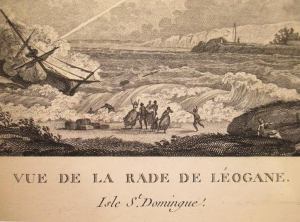 More than 30 scholars from three continents gathered at the Williamsburg Inn from October 16th through the 18th to present emerging histories of the French Atlantic. Sponsored by the Omohundro Institute, and made possible through considerable labor and financial investment, one hundred scholars were able to enjoy a great conference atmosphere. Three days of panels, workshops, and roundtables pushed for our collective knowledge of the French Atlantic to be wider, deeper, and better integrated, fulfilling a plan first sketched out in the summer of 2010.
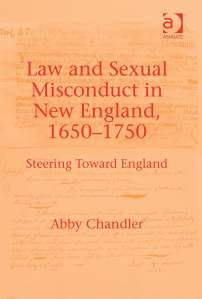 My forthcoming book,
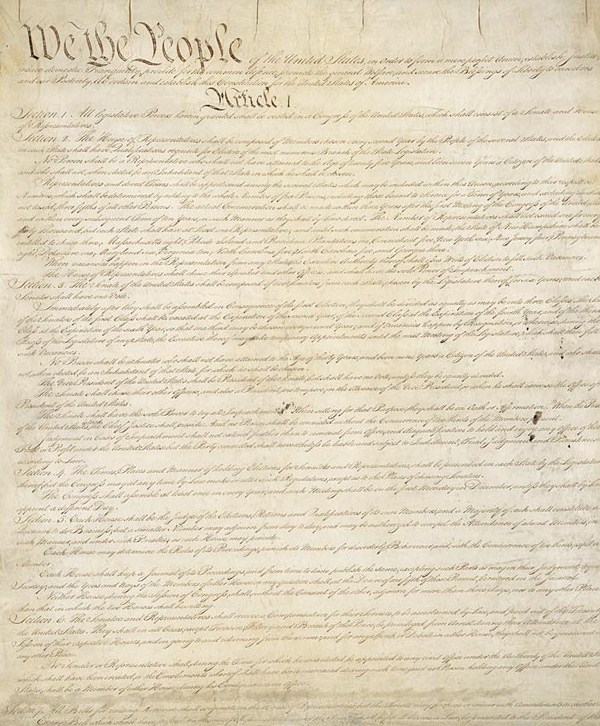
 The annual British Group of Early Americanists Conference was held from September 3-6 at the University of Sheffield in Sheffield, England and drew a wide variety of scholars from the United Kingdom, the United States and France. In keeping with BGEAH traditions, there were many excellent papers, a key note address on Thursday night, a book club discussion on Friday and a conference dinner on Saturday, while newer traditions were started with some panels providing pre-circulated papers.
 Data. Before postmodernism, or environmental history, or the cultural turn, or the geographic turn, and even before the character on the old Star Trek series, historians began to gather and analyze quantitative evidence to understand the past. As computers became common during the 1970s and 1980s, scholars responded by painstakingly compiling and analyzing datasets, using that evidence to propose powerful new historical interpretations. Today, much of that information (as well as data compiled since) is in danger of disappearing. For that and other reasons, we have developed a website designed to preserve and share the datasets permanently (or at least until aliens destroy our planet). We appeal to all early American historians (not only the mature ones from earlier decades) to take the time both to preserve and to share their statistical evidence with present and future scholars. It will not only be a legacy to the profession but also will encourage historians to share their data more openly and to provide a foundation on which scholars can build.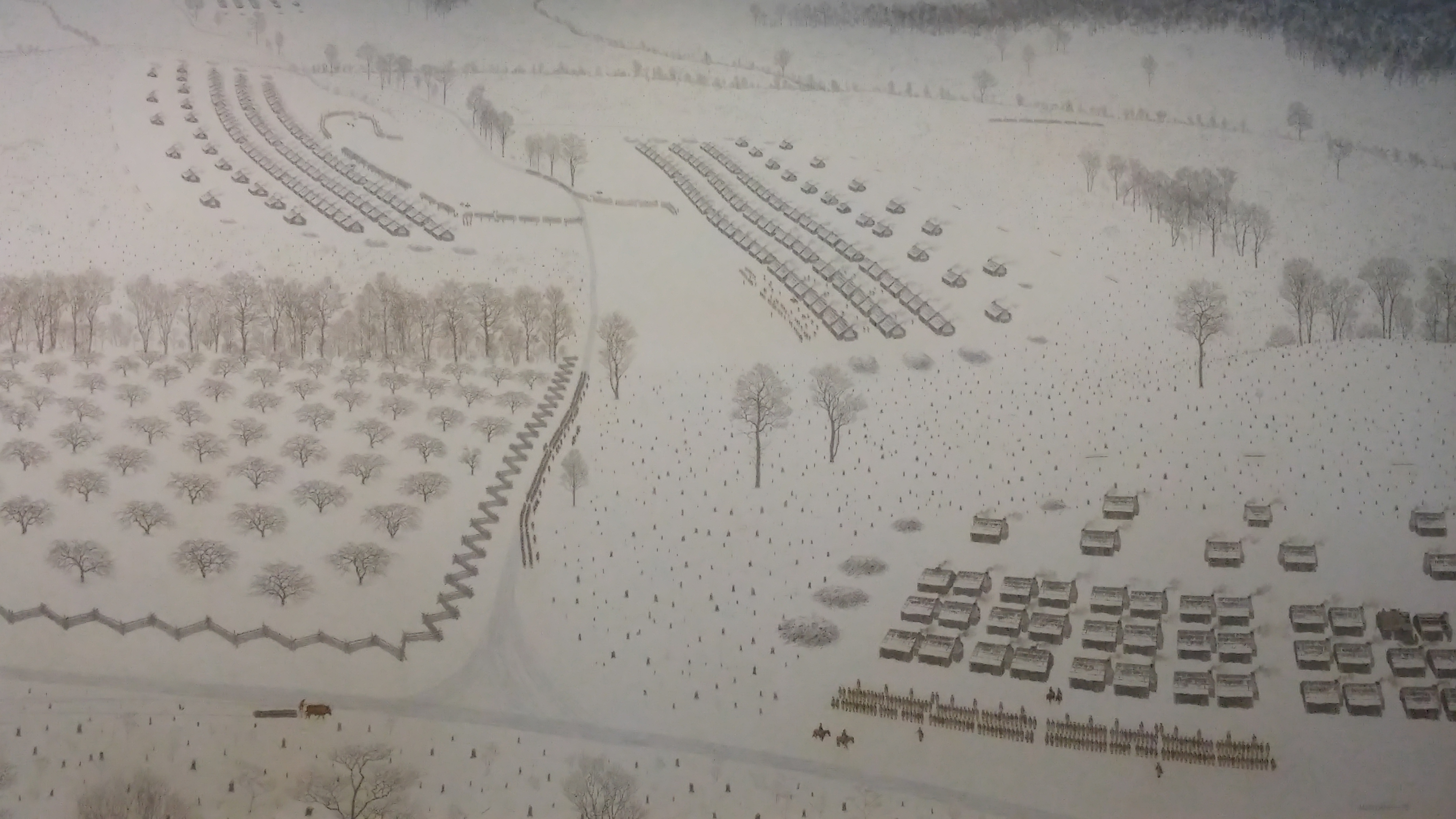
 The Junto