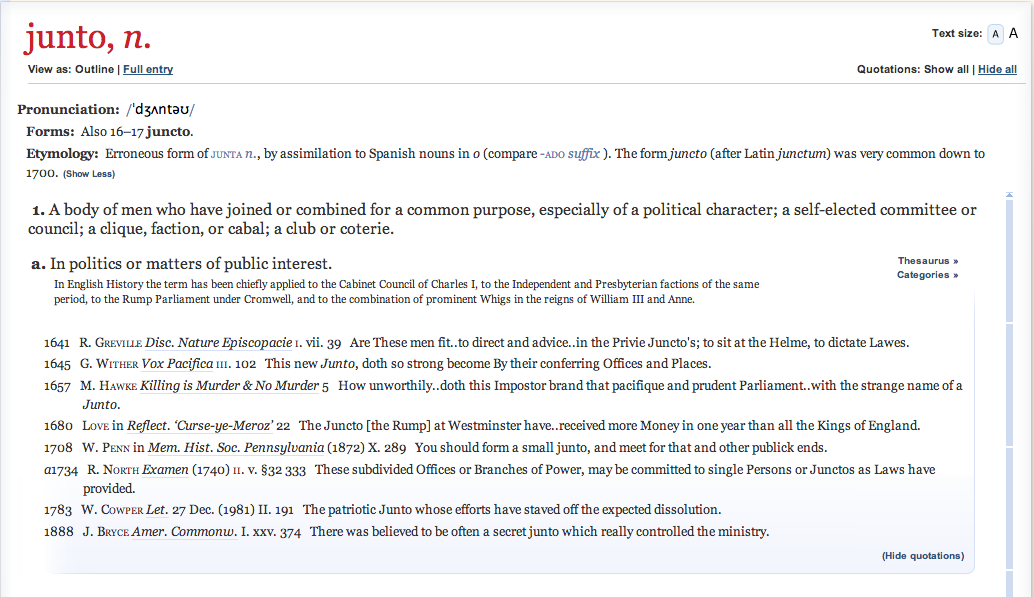
 Back in 2012, when the initial ideas for this blog were first being thrown around, I suggested the name The Junto. I did so, not least because working at the Franklin Papers tends to keep Franklin on the brain. But I also suggested the name because the blog seemed to me to be analogous to the original group in that it was started by a bunch of upstarts with the intent of creating intellectual discourse amongst a supportive and engaged community. And those were the two most important initial goals of the blog. At the time, I never anticipated that there would ever be any confusion as to how to pronounce the name. That may have been a good thing since I probably would not have suggested it otherwise (“pronouncability” being pretty important when it comes to naming things, apparently). So, you might ask: “What is the correct pronunciation?” Well, that’s the thing. There doesn’t seem to be one, at least not nowadays. So, in a hopeful effort to settle the question, I decided to try to find out how people in the eighteenth century pronounced “Junto.” Continue reading
The Week in Early American History
 We hope you will forgive the spottiness of TWEAH recently, but it is likely to be a regular occurrence during the summer months. Nevertheless, here are some links for you this Independence Day holiday weekend… Continue reading
The Week in the Declaration of Independence
 “Is it the Fourth?” Indeed, it is. And, along with it comes no shortage of interesting conversations about the Declaration of Independence. So here is our quick roundup… Continue reading
The First Year of Founders Online: An Interview with Kathleen Williams
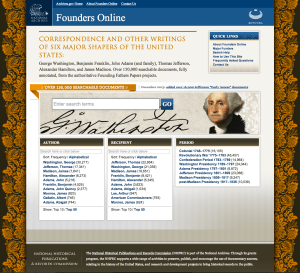 Founders Online launched just over a year ago on June 13, 2013. Today, The Junto catches up with Kathleen Williams, the Executive Director of the National Historical Publications and Records Commission (NHPRC), to get a sense of how Founders Online is being used, how much it is being used, and who is using it. We also discussed what the future may hold in store for Founders Online in terms of further website and content development. (NB: In my capacity as a Research Assistant at the Franklin Papers, I have been proofreading the Founders Online transcriptions of the Franklin volumes. I have also used the database for research, both for pieces I have written for the blog as well as my dissertation.) Continue reading
“Let a thousand MOOCs bloom”: An Interview with Peter Onuf
 Here at The Junto, we noted last semester’s flurry of history MOOCs with a combination of interest, excitement, and trepidation. Peter Onuf—the University of Virginia’s Thomas Jefferson Memorial Foundation Professor, Emeritus, and the instructor of Coursera’s recent MOOC, “The Age of Jefferson”—graciously agreed to answer some of our questions about his experience. In the transcribed interview that follows, we discussed not only the process of designing and creating his MOOC, but also his thoughts about online classes and the future of higher education in general.
Varieties of Heritage Interpretation
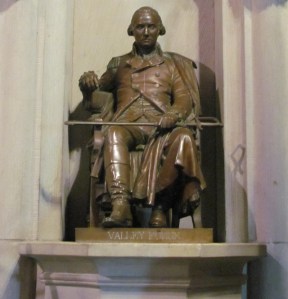 Over the last few days, I’ve joined tours of several historic sites around Philadelphia. It’s common for me to visit historic sites, of course, but these tours are different.
For once, I’m doing my best to act and perhaps think like a normal tourist. I’m seeking out the most mainstream experiences instead of trying to strike out alone. (“Tickets for the one o’clock trolley tour, please! And where’s your gift shop?”) Not coincidentally, I’m also visiting these sites in rapid succession, as if I were a vacationer and not a local resident. It’s been a lot of fun.
It has also tested one of my casual assumptions about these places.
The Week in Early American History
This week, we’re bringing in a bumper crop of cultural opportunities and political teachable moments. Continue reading
Summer Book Club, Week 3
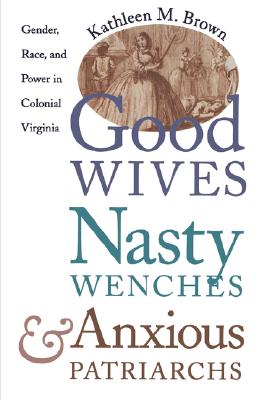 This week in the Junto Summer Book Club we’ll be looking at chapters 4 and 5, in which Brown looks first at the beginnings of Virginia’s slave system in the mid-seventeenth century, and then at the memorable—and highly teachable—events of Bacon’s Rebellion in the 1670s. Continue reading
The JuntoCast, Episode 11: The Declaration of Independence
 What better way to get ready for celebrating July 4th than to listen to the newest episode of “The JuntoCast” on the Declaration of Independence? Continue reading
Guest Post: Of Class and Courts-Martial: The Case of Ensign McVicar
Today’s guest post is by Emily Merrill, a PhD candidate in the History Department at the University of Pennsylvania. Her research focuses on issues of gender and military history in the British Atlantic world during the 18th century. She is currently completing a dissertation entitled, “Judging Empire: British Military Courts and the Politics of the Body.”
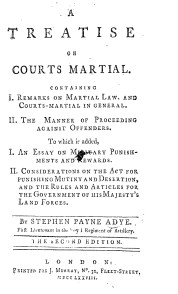 One of the most provocative aspects of the popular Netflix series Orange is the New Black is the way it grapples with the issue of class (as well as race, gender, and sexuality) as it relates to the contemporary American penal system. By contrasting the prison experiences of the main character, Piper, an upper middle class white woman, with those of a range of working class and minority characters, the show invites a deeper reflection on the complex ways in which class divisions help shape and organize a supposedly impartial system of justice. In my own research on British military courts during the Revolutionary War, I have found that class, specifically the divide between officers and enlisted men, also helped determine crucial aspects of the military justice system. Continue reading
 The Junto