Teaching the survey, I have found, can be a blur. Events, people, and places zip by—on Monday, you’re at Jamestown in 1607, on Wednesday, Plymouth in 1620, and by Friday Cotton and Increase Mather are angling for a new charter for Massachusetts. (Okay, I don’t move quite that fast, but it’s still quick.) And in the meantime students deal mostly with brief snippets of texts in a document reader. Someday I may ditch it, but for now, it does the job.
One of my favorite parts of the course, therefore, is working with students a little more deeply on select texts, and getting to practice the craft of the historian more fully. So today I’ll share one or two of my favorites with you, offering no claims to originality.
I’ll start with my absolute favorite, which will come as no surprise to my friends: Benjamin Franklin’s Autobiography. Continue reading
 A relatively quiet week here; with the semester now underway everywhere, it’s probably not such a bad thing that we have fewer links to share. In any case, a little Revolution, an unidentified diary, and a forgotten war … on to the links!
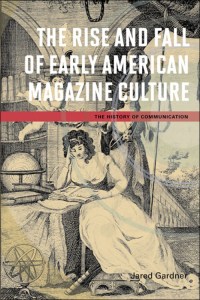 Almost by definition, studying communications media means examining the nature of rationality and the meaning of citizenship. So literary historians generally see the novel, which privileges dialogue and individual subjectivity, as helping to constitute a liberal social order, while political historians see newspapers as essential to various expressions of republicanism and democracy. In
  The Junto