
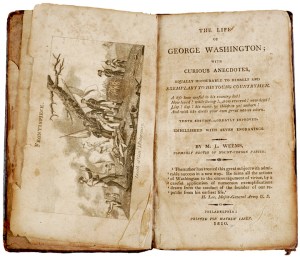
 Shortly after the publication of Parlor Politics, Catherine Allgor was invited to reflect not only the political wives she’d written about, but also their husbands. Reflecting on John Quincy Adams, Allgor quipped “I like complicated men.”[1] While tongue-in-cheek, Allgor’s comment undoubtedly reflects why historians decide to study individuals. Unpacking the layers of “complicated men” (and women) can make for a fascinating project. But historians have also had a complicated relationship with biographies. No doubt this is because, like many narrative histories, some of the earliest Early American biographies were written as exercises in nationalism, and/or with hagiographic tendencies.[2] Moreover, when researching and writing on higher-profile individuals, many of the sources we encounter ourselves are of the narrative sort.
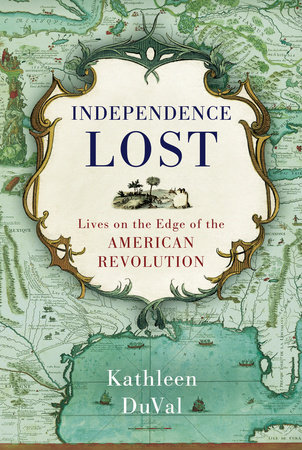

 I’ve been listening to
  I’ve never met anybody, living or dead, who fits their name quite as well as Peregrine Foster did. I encountered Peregrine in the papers of his brother, Dwight Foster, at the Massachusetts Historical Society, where I was looking for compilations of meaty correspondence that depicted land speculators at work. Peregrine was the youngest of three; his older brothers were Congressmen from Massachusetts and Rhode Island. Peregrine, though, wasn’t destined for such prominence.
 A DC-based company with the email address coolhistory13@gmail.com has posted an
  The Junto