Today’s guest post comes from Steven J. Peach, who will graduate in May 2016 with a Ph.D. in U.S. history from the University of North Carolina at Greensboro. (Congrats, Steven!) His research examines Creek Indian politics, diplomacy, and power in early America. This is his first guest post for The Junto.
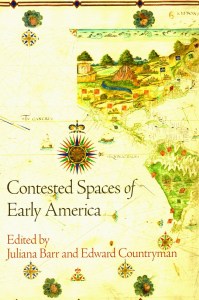 In 2015, Gordon Wood charged the William and Mary Quarterly with no longer publishing scholarship fixed “exclusively” on the “origins” of the United States. Restricting early America’s geography to the modern limits of the U.S., he argued that articles like that on sixteenth-century Castile make the “boundaries” of early America “mushy.” Not so fast, responded Joshua Piker, the Quarterly’s editor. A few months ago, he refuted Wood by saying that the Quarterly never focused solely on U.S. origins. (Piker’s refutation is dazzling; if you have not read it, you should!) Piker went on to say that early Americanists must abandon any “misleading coherence or … artificial simplicity” to define the field. Instead, they ought to “get lost” in the “vastness” of early America—or Karin Wulf’s #VastEarlyAmerica.[1] What spaces did early America encompass, then, and how can the field begin to sketch them? Native American history offers a path forward. Continue reading →
 On December 8, 1747, Gov. George Clinton (1686–1761) told a British statesman that the Assembly of New York “treated the person of the Governor with such contempt of his authority & such disrespect to the noble family where he had his birth that must be of most pernicious example.” He thought he might have to “give it [i.e., his position] up to a Faction.” The extant copy of this letter, held within Clinton’s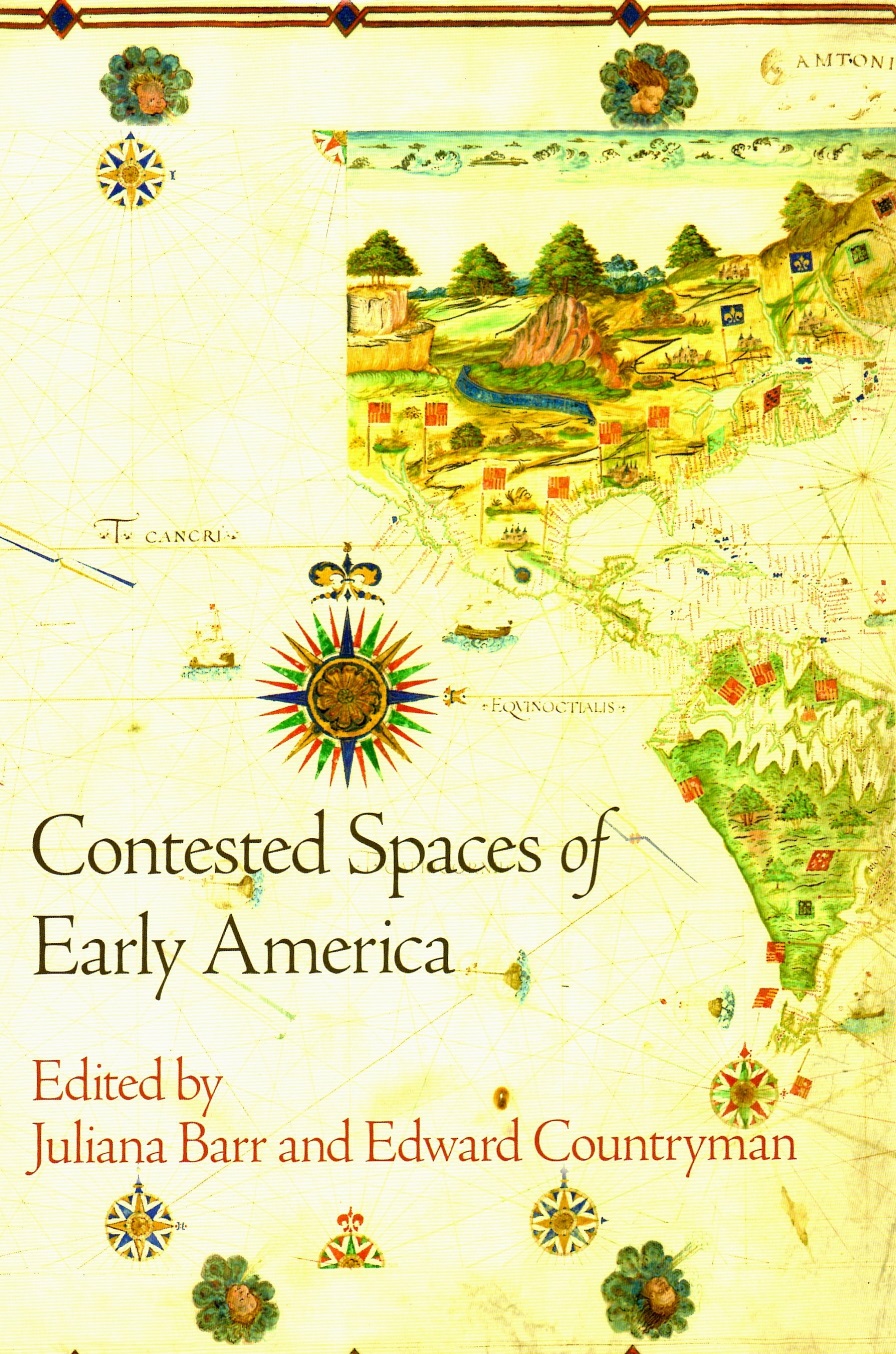
 The Junto