This post is part of a joint series entitled “Digital Research, Digital Age: Blogging New Approaches to Early American Studies,” the Panorama and the Junto. This joint series stems from stemming from a conference entitled “Revolutionary Texts in a Digital Age: Thomas Paine’s Publishing Networks, Past and Present,” organized by Nora Slonimsky at Iona College in October 2018. This series will feature one post every day this week, hosted by both the Panorama and the Junto, and Dr. Slonimsky’s introductory post is found here. The first post at the Panorama is by Lindsay Chervinsky, “High Politics and Physical Space: Rethinking How We Commemorate Place.”
The rise of the digital humanities over the past decade has brought attention and support to a wide range of projects. In its most triumphalist form, the narrative about digital humanities suggests that digital projects have made early American materials far more accessible than they ever have been. Where once researchers could only access materials by visiting an archive or perhaps using microfilm or microfiche when available, now we can work from our homes in our pajamas to read manuscript and printed sources from the seventeenth, eighteenth, and nineteenth centuries. And we can gather massive data sets about the past for quantitative or qualitative analysis.
 Last semester, I taught my first section of Digital History, following my participation in the
  The inaugural Digital Humanities + Data Journalism Symposium recently took place at the University of Miami, from September 29 to October 1st, drawing together a diverse crowd of academics, journalists, and many in between. As conference convener and Knight Chair in Visual Journalism at UM Alberto Cairo informed the audience in his opening remarks, the somewhat speculative event topic was inspired by a February 2012 tweet by Digital Public Library of America Executive Director Dan Cohen, which hopefully conjectured that “digital journalism and digital humanities are kindred spirits, and that more commerce between the two could be mutually beneficial.” Delivering the first keynote of the weekend-long proceedings, Cohen drew equal inspiration from Thucydides and Reese’s Peanut Butter Cups, lightheartedly suggesting the latter as a metaphor for the symbiotic (and potentially delicious?) roles digital humanists and data journalists could play in our increasingly informational world. In referencing Thucydides, he developed one of the salient themes of the weekend, the notion that digital scholars and journalists alike were primarily motivated by the quest to rise up from data to understanding, to construct knowledge from the complicated and overwhelming.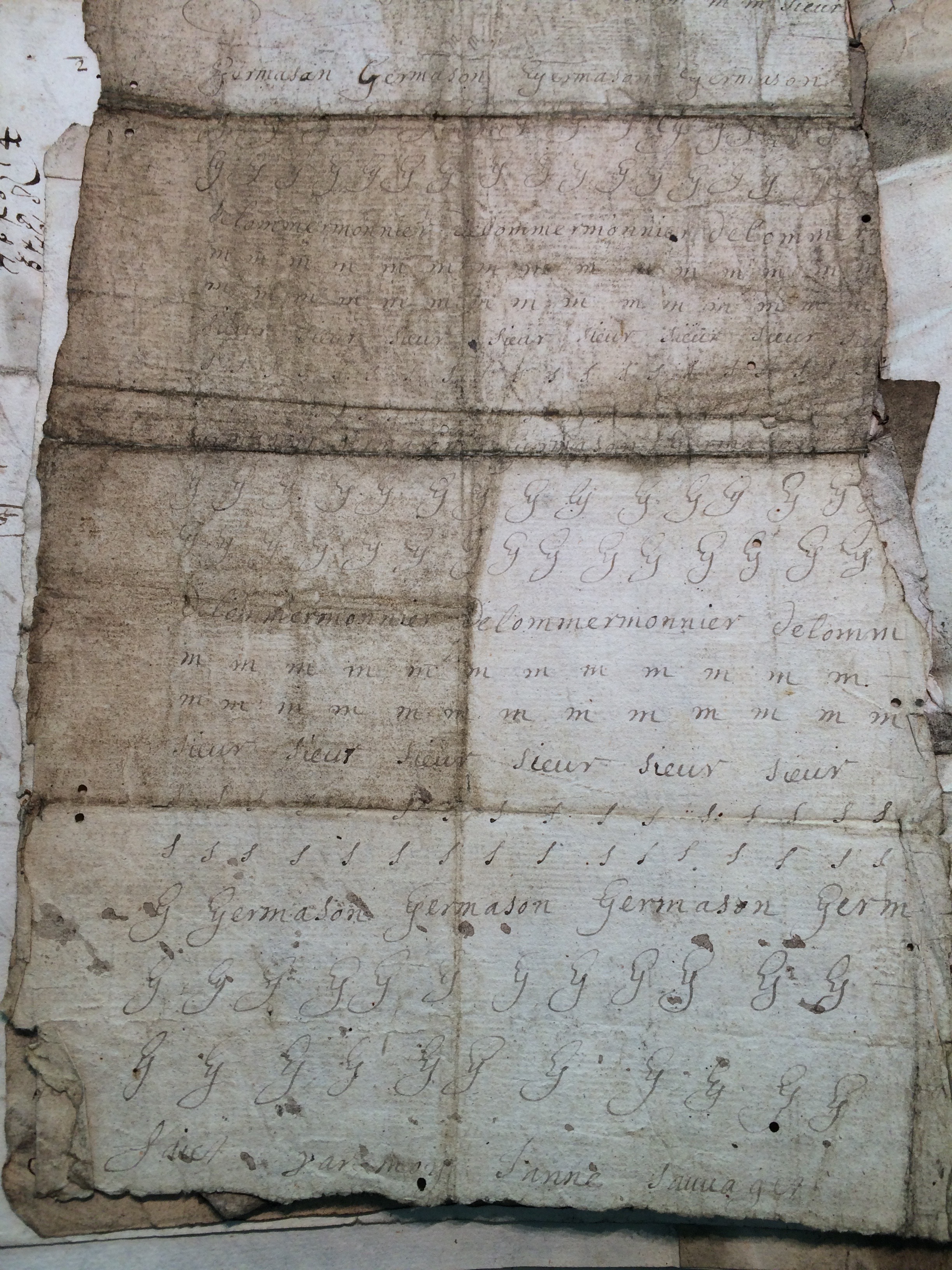



 In her
 The Junto