This is the third post in our roundtable on the origins of the American Revolution. Tom Cutterham kicked things off on Monday with a post about Nick Bunker’s recent book and on Tuesday Jessica Parr wrote about religion and the American Revolution.
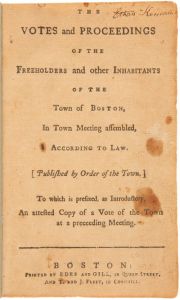 This roundtable grew out of a sense that the study of the Revolution’s origins or causes has been neglected of late. Which seems true enough. At the very least, historians have proven more comfortable talking in more amorphous ways about the “the coming of the Revolution” or “the making of revolutionary America.” I am certainly guilty of that. Yet there are, I think, compelling reasons for approaching the Revolution this way. Continue reading

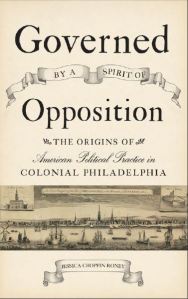 In recent years, early American political history has received considerable attention. A range of historians have enriched our understanding of how Americans participated in and contributed to politics in the early republic.
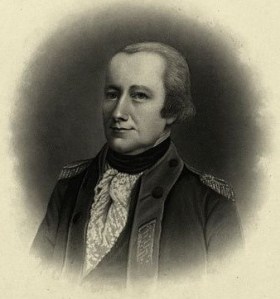 On April 25, 1775, hundreds of New Yorkers acknowledged receiving “a Good firelock, Bayonet, Cartouch Box, and Belt.” Six days after the Battles of Lexington and Concord, and three days after Israel (Isaac) Bissell told New Yorkers the news, Alexander McDougall mobilized support against the British. The War of American Independence had reached New York and, with hundreds of supporters, McDougall was ready to fight.
 The Junto