 Revolutions: What are they good for?
The organizational concept of “The Age of Revolutions” has been on my mind a lot lately. First, I recently finished a full book manuscript that includes a version of that phrase in its title, so I’ve naturally been engaging with that literature quite a bit. Second, I’m preparing to teach a course titled “Eighteenth-Century Atlantic Revolutions: America, France, and Haiti” this semester, which will begin next week. And finally, I’ve had a review copy of Nathan Perl-Rosenthal’s excellent Citizen Sailors: Becoming American in the Age of Revolution (Harvard UP) sitting on my desk for a few months, struggling to come up with a more professional way to say “Go Out And Buy This Excellent Book Right Now.” Continue reading
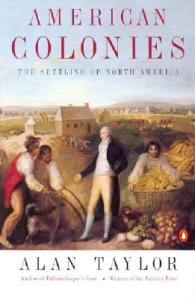 Teaching the first half of the American history survey has become a more complicated job over the last few decades. The reason is quite simple—the purview of early American historians has broadened significantly in the same period. A narrative from Jamestown to Independence to Civil War is now a narrative that begins with (or even before) the Columbian Exchange. A geographical focus that formerly considered the “thirteen colonies” almost in isolation now extends northwards to Canada, westwards to the Mississippi, southwards to the Caribbean, and across the ocean to Europe and Africa. A predominantly white, male, Protestant cast of characters has welcomed women, people of color, Native Americans, and others to its merry band.
 The Junto