Today’s guest post comes from Jordan Smith, a PhD Candidate in Atlantic History at Georgetown University. His dissertation, “The Invention of Rum,” investigates the development and production of rum in the seventeenth and eighteenth-century Atlantic World.
Warning: This post contains graphic accounts of industrial accidents.
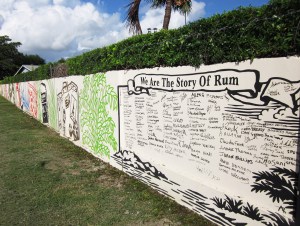 On a recent research trip to Barbados, I stopped by the Mount Gay Visitors Center. There, between tastes of a variety of rums, tour guides regaled me with a heroic tale of Barbados’s place in the invention of rum. Afterwards, I was handed a brochure which proclaimed Mount Gay to be “the rum that invented rum.” The reasoning for this marketing strategy is simple enough—Mount Gay is one of many distilleries that makes a financial killing off of linking their product to a happy history of ingenuity and originality. Yet accounts of eighteenth-century distillery disasters suggest that this invention and innovation of rum was often undergirded by shocking violence. Continue reading →

 Two weeks ago, 175 historians descended upon the Massachusetts Historical Society (MHS) in Boston for a three-day conference that considered the political, social, economic, and global parameters of the American Revolution. The conference consisted of eight panels (with pre-circulated papers), two keynotes, and some special presentations on digital projects. The conference proceedings were live-tweeted under #RevReborn2, and fellow Juntoist Joseph Adelman provided some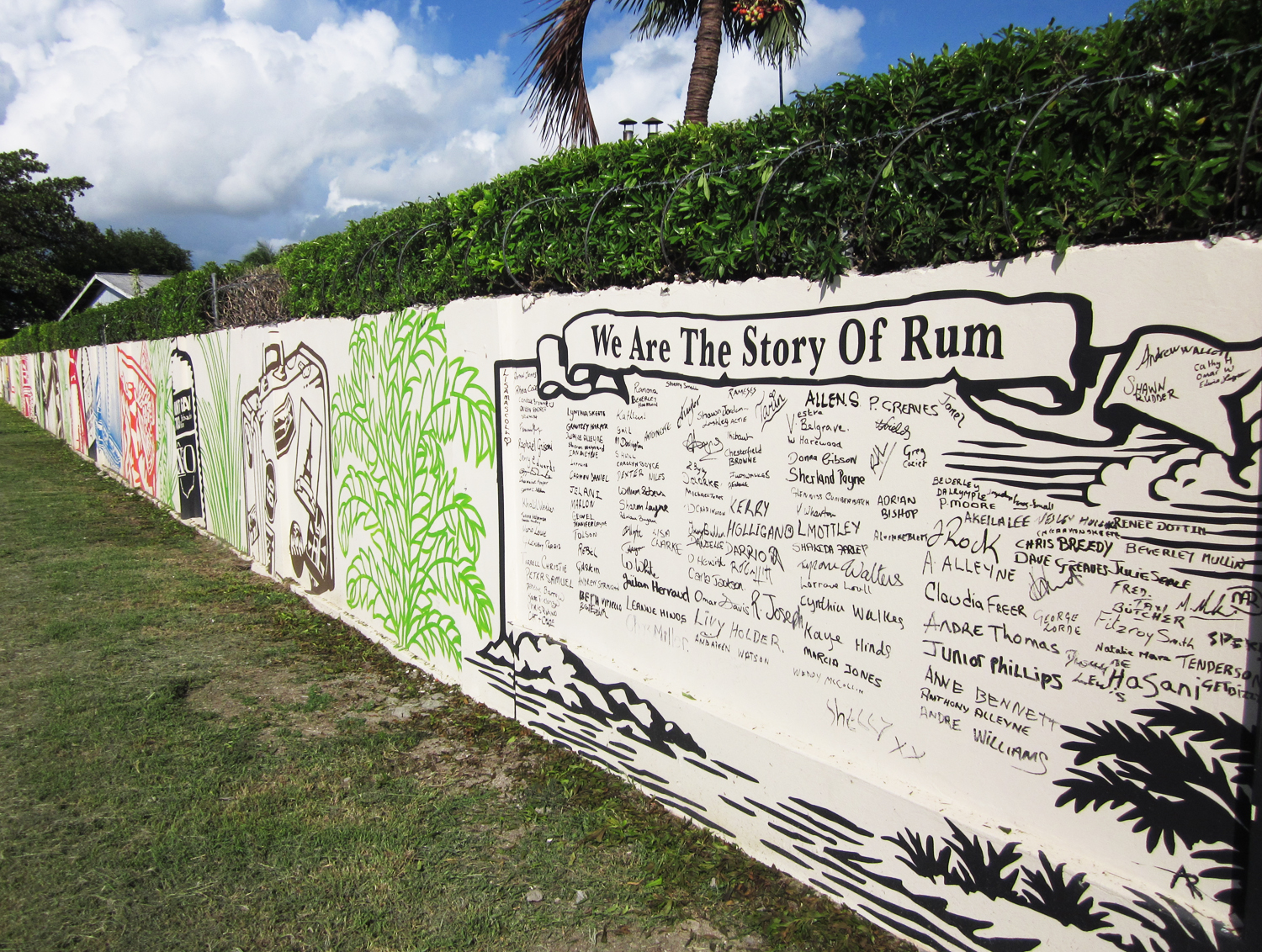


 Last year, my university shifted its policy on assignments, meaning that faculty members suddenly got the option to change extant assignments, make new ones, and alter the weighting of any of them. This was a big transition, given that in previous years assignments were set by the department and students in each of our three class years could expect similar assignments in their courses. As a result, I’ve been playing around with assignments of zero or very little weight to try to prepare students—especially first year students—for the sometimes daunting task of the final essay assignment. Whereas before there was one low-weighted writing assignment before the final essay was due, I now have the low-weighted writing assignment (it’s half the length it was in previous years), an unassessed research proposal, and an annotated bibliography worth 10%. I want to talk about one of the problems with this last assignment.
  Tomorrow begins the 2015 OAH Annual Meeting and The Junto is happy to provide a guide to the panels of most obvious interest to our readers.
 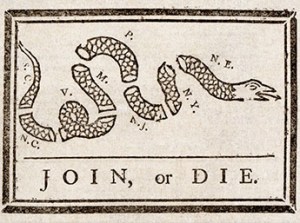 At the risk of overkill, I have thoughts about the “So Sudden an Alteration” conference hosted by the Massachusetts Historical Society, which I attended along with a number of my Junto colleagues. I’d like to pick up on the themes of the conference to discuss an underlying tension in the conversation that never quite reached the surface in explict terms.
 The Junto