Note: I welcome this opportunity to expound more fully on a few quotes from me in a New York Times piece about the AHA statement. You can find my Storify of the debates on Twitter and in the blogosphere related to the statement here. It is also worth reminding readers that the opinions in our pieces are those of the author and not of the blog as a whole.
 A recent policy recommendation by the AHA on the embargoing of dissertations—i.e., limiting online access and distribution for a specified period of time—has created quite a stir in the blogosphere and on Twitter. Many are criticizing the AHA for a reactionary policy that concedes the status quo, i.e., the undue influence and interest of university presses in hiring and tenure decisions and the profession’s overall laxity in adapting to the digital revolution.
Let me be clear from the outset: I am not defending the AHA’s statement, per se. It does indeed ignore the broader issue of what the AHA intends to do about the long-term, systemic problem of the profession’s transition into the digital era, more generally. I am, however, going to defend the policy of allowing students the option to embargo. Continue reading →
 We’re barreling toward the end of the semester, which always feels closer once Thanksgiving’s over. As the Brits don’t celebrate Thanksgiving here, I’m in the midst of doing mid-semester evaluations with students this week A) To remind them that the semester really is more than half over and B) To try to suss out what is and isn’t working in our class.
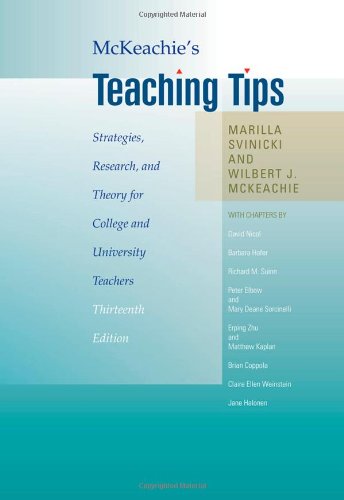 In all the teaching orientations and training manuals I’ve encountered, they all advise instructors not to be afraid of silence. The average student, they say, takes up to 8 seconds to mentally prepare an answer to an analytical query. But what happens when the silence isn’t because students are choosing which of their brilliant thoughts to share with the class but because most of them failed to do the reading? I suspect every college teacher has had a class session in which most questions were met with complete silence. What can we, as the instructors, do in such situations? And how can we better incentivize students to take their assigned reading seriously?
 Happy weekend, all…to the links!
 Being a graduate student means that I am very much interested in the future of the profession. And being part of this blog and its podcast makes me aware, to some degree, of the impending and inevitable digitization of the profession. Recent online discussions have included the policy of embargoing the immediate and unrestricted digitization dissertations. But, in addition to changes regarding the university press monograph, there is an equally radical change to come for academic journals.

 The Junto