 Today at The Junto we’re featuring an interview with Ann Little, an Associate Professor of History at Colorado State University, about her new biography, The Many Captivities of Esther Wheelwright. Little has previously authored Abraham in Arms: War and Gender in Colonial New England. She also writes regularly at her blog, Historiann: History and Sexual Politics, 1492 to Present.
In The Many Captivities of Esther Wheelwright, Little chronicles the life of a New England girl, Esther Wheelwright, who was captured by the Wabanakis in 1703 when she was seven years old. After living with the Wabenakis for several years, Wheelwright entered an Ursuline convent in Quebec at age twelve. She lived the remainder of her life there, voluntarily becoming a nun and taking on several leadership positions in the convent, including that of Mother Superior, during old age. Continue reading

 International pageants such as World’s Fairs or Olympic Games are strange beasts of their very nature. While trying to project an image of a modern, vibrant place, they must necessarily also draw on the familiar in order to reach a wide audience. Sometimes this can be done in eye-catching and engaging fashion—think of the 2012 London Olympics, and their juxtaposition of Horse Guard’s Parade with beach volleyball. Thus these international pageants provide a curious mix of looking to the future at the same time as looking at the past.

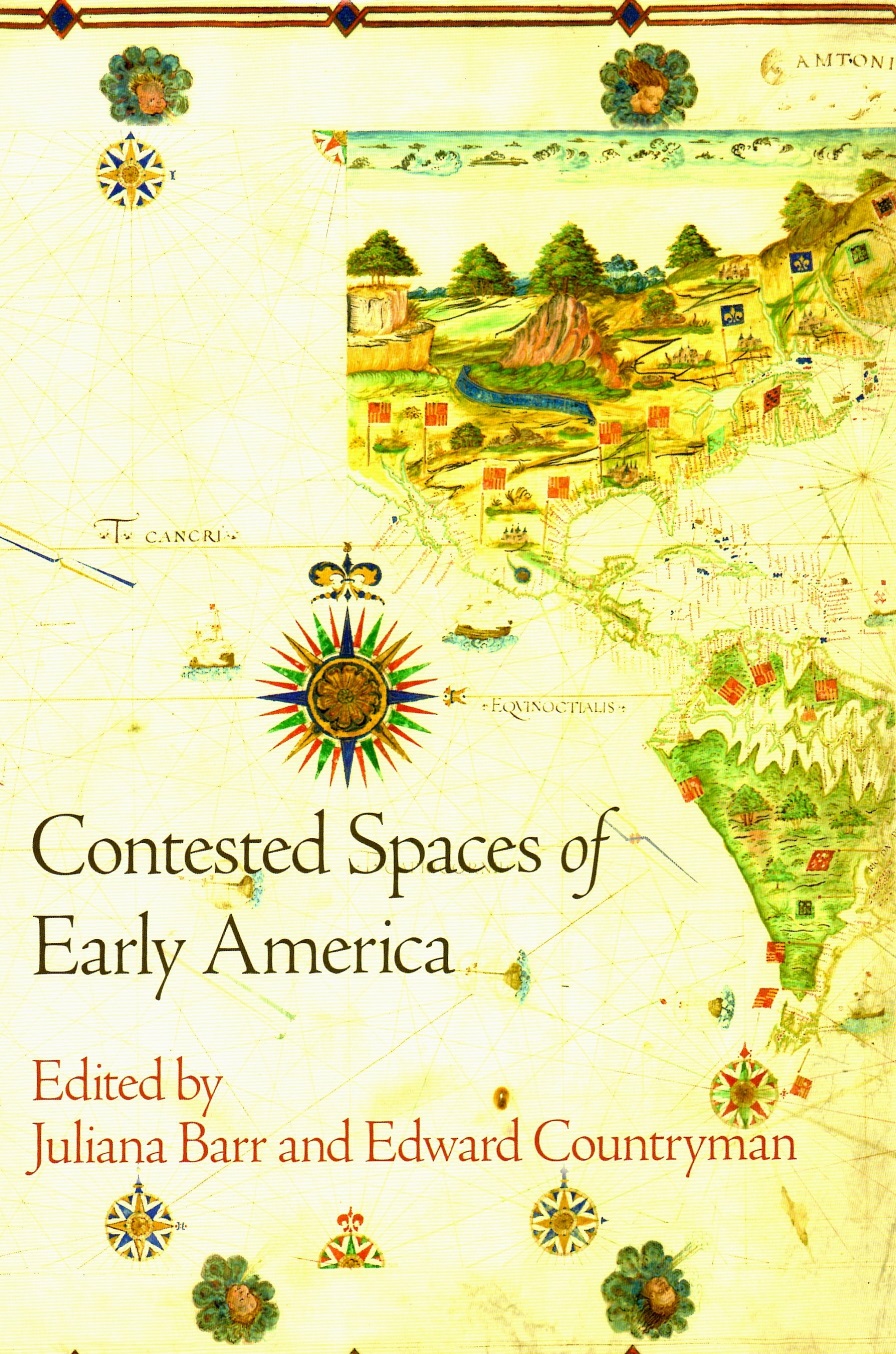
 One of the trending themes in Native American history is “Settler Colonialism.” From Patrick Wolfe’s foundational essay, to recent works by historians and literary scholars—Bethel Saler, Jodi Byrd, Gregory Smithers, David Preston, and Lisa Ford, for instance—this theoretical model has attracted significant attention within the field.
 The Junto