
This Colonial Couture post is by guest contributor Ben Marsh, senior lecturer in history at the University of Kent. His current research project is “Unravelling Dreams: Silkworms and the Atlantic World, c. 1500-1840.”

Super Bowl LI
In July 1760, an American correspondent writing to a former neighbor in Surrey, England, graciously thanked them for dispatching a package across to South Carolina, risking the perils of transatlantic post during the Seven Years’ War, to send some cosmopolitan gifts. The gift of a fan was heralded as a “curiosity,” the suit (probably linen, though this descriptor was scored out) was apparently “universally admired,” but the real coup in the package was unquestionably the pompon. Not only was the pompon the prettiest these Americans had apparently ever seen, but the girl it was intended for was delighted “the more so as they are the first of ye fashion that have reach[e]d this part of the world.” Continue reading

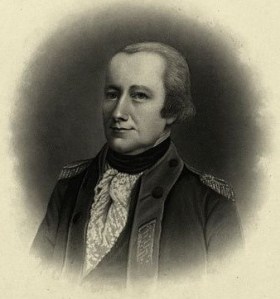 On April 25, 1775, hundreds of New Yorkers acknowledged receiving “a Good firelock, Bayonet, Cartouch Box, and Belt.” Six days after the Battles of Lexington and Concord, and three days after Israel (Isaac) Bissell told New Yorkers the news, Alexander McDougall mobilized support against the British. The War of American Independence had reached New York and, with hundreds of supporters, McDougall was ready to fight.
 The AMC series Turn ended its first season last month with mixed reviews. The consensus seems to be that the series, which tells the story of the Culper spy ring during the American Revolution, has a strong cast, good production values, and promising subject matter but ultimately fails both as a drama and as an accurate representation of history.
  The Junto