A[n] Historical Talk about Publishing with Gil Kelly, Gent.

typewriter

Earlier this spring, we had the great pleasure of sitting down and enjoying a lemon chiffon pie with Gil Kelly. Gil recently retired after spending about thirty years as the Managing Editor of Publications for the renowned Omohundro Institute of Early American History and Culture. In his long and storied career, he has worked on many of the books that have proved to be foundational for early Americanists of all sorts. He was kind enough to share some of his wisdom with us, and we’re now returning the favor. May you learn as much as we did! Continue reading

The Week in Early American History

TWEAH

Welcome to another The Week in Early American History! Take a break from the end-of-semester crunch to check out the unprecedented unification of the four surviving Magna Carta manuscripts or to a look at the tree root that ate Roger Williams. On to the links! Continue reading

When Sources Talk Back

When Sources Talk Back

Boazio_Battle-of-Santo-Domingo

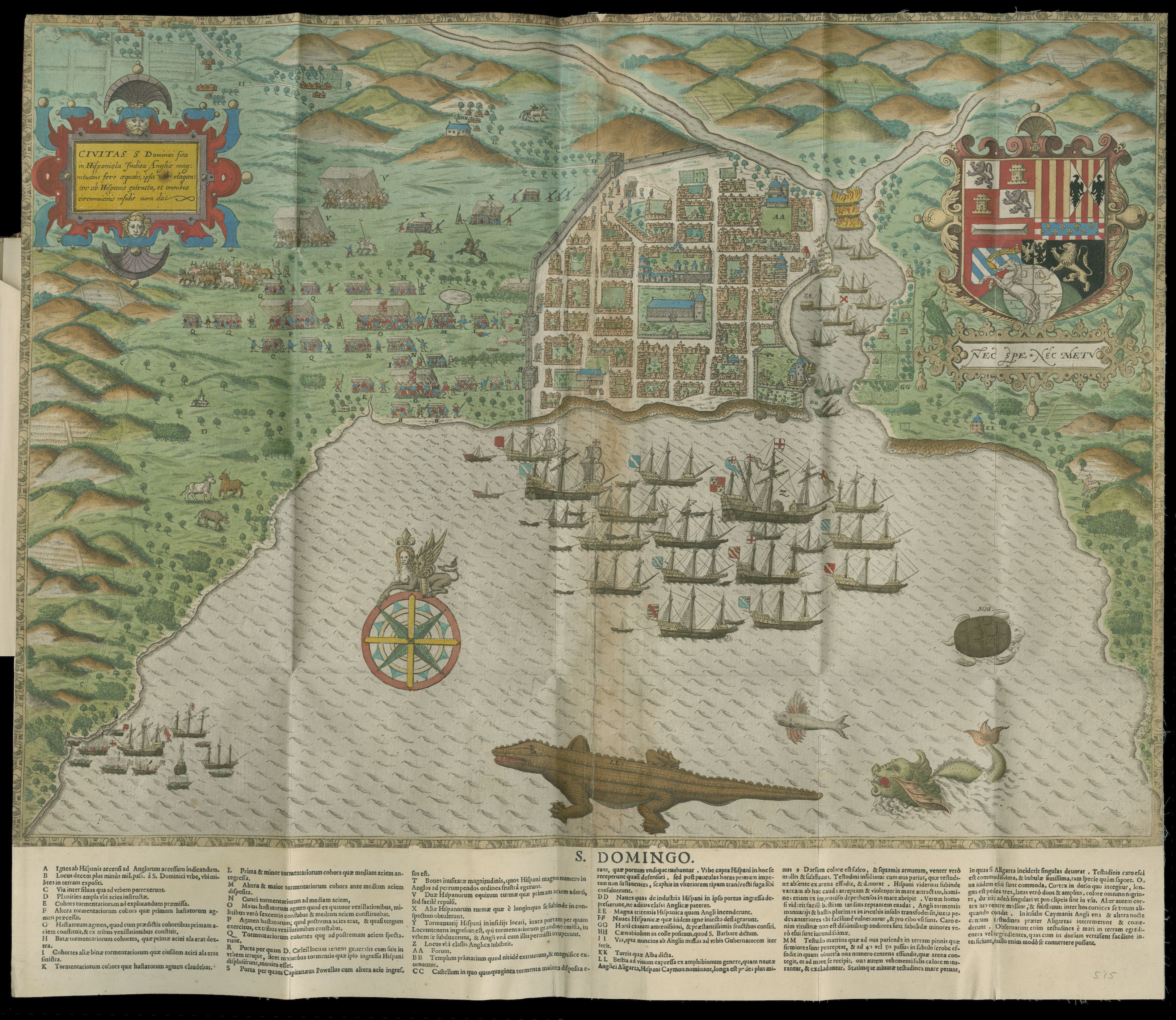
How do we select the sources we use? How do we approach those sources once we’ve selected them? What does that process do to the stories we eventually tell about the past? And, what happens when our sources disagree with the choices we’ve made?

That last question is one that historians working on the early modern period rarely have to grapple with – after all, the individuals who wrote the letters, manuscripts, and account books that we read have been dead for a very long time. And, it is an issue that I’ve blithely ignored until I read Manuel Gonzalez Pallano Tinoco’s “Narrative of the Invasion of La Española, Santo Domingo, which the English Attempted in 1655.” It is near the end of Captain Tinoco’s detailed description of the failed English invasion of Spanish Santo Domingo that this long-deceased chronicler called out future historians who would use his narrative on any but his own terms. And, his reasoning was compelling enough to make me question my own methodology in using his history in my work. Continue reading

Murder!: Entangled History, String Theory, and Narrative

Murder!: Entangled History, String Theory, and Narrative

caribmap

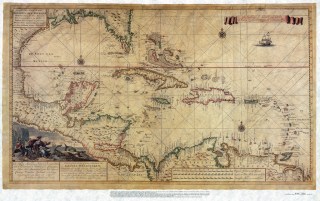
On a dark and stormy night in July of 1729, a vicious murder occurred in the port city of Veracruz. Okay, I don’t actually know if it was stormy on that night, nor was the murder particularly vicious but, for narrative effect, bear with me. On the evening in question, a Dominican priest accompanied by an entourage of the town’s residents walked to the trading factory of the British South Sea Company to pay the factors a visit. According to Inquisition records, as the group approached the factory, shots were fired from within the building, and the Dominican priest fell dead. The man who fired the fatal shots—William Booth[1]—claimed that he had not recognized the priest and fired in self-defense. As Booth argued, marauders frequently roamed the streets after dark and he assumed the visitors wanted to rob him. Booth was sentenced to five years hard labor in North Africa—a veritable death sentence—and the South Sea Company’s factory in Veracruz barely survived the incident, which reached the diplomatic tables of Europe.[2] Continue reading

Roundtable: Richard S. Dunn, A Tale of Two Plantations

Roundtable: Richard S. Dunn, <i>A Tale of Two Plantations</i>

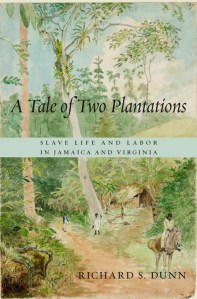
Dunn Roundtable CoverThis week The Junto is dedicated to a roundtable review of Richard S. Dunn’s A Tale of Two Plantations: Slave Life and Labor in Jamaica and Virginia (Cambridge: Harvard University Press, 2014). Professor Emeritus at the University of Pennsylvania, Dunn’s previous publications include one of the seminal texts on Caribbean slavery and sugar plantation agriculture, Sugar and Slaves: The Rise of the Planter Class in the English West Indies, 1624-1713 (Chapel Hill: University of North Carolina Press, 1972). Dunn’s newest book is an unflinching study of Afro-Caribbean and antebellum U.S. slavery in the final decades of both systems. Continue reading

The Value of Storytelling: Recap

The Value of Storytelling: Recap

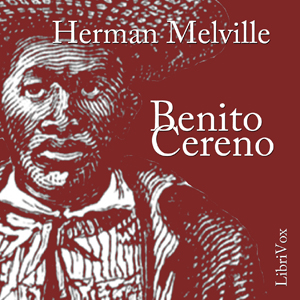
SABFAB9780615With just days left in the semester and students scrambling to finish papers and prepare for exams, I thought it would be a perfect time to reflect on an idea I raised in my first post here at The Junto. Back in September, I declared my intentions to assign the Librivox.org recording of Herman Melville’s Benito Cereno. The prospects of assigning audio content in a classroom situation seemed the ideal solution to unrealistic weekly reading word counts while doing to double duty of engaging students in early American history through storytelling. And then I got cold feet. Could I really make it mandatory for 37 students to sit back and listen to several hours worth of recordings simply for the pedagogical payoff of connecting them in a more real way to the nineteenth-century world inhabited by the slave ship Tryal and Captain Amasa Delano? As the semester wore on, and more and more students realized how long the recordings would take to listen to, my trepidation only increased. Continue reading

The Week in Early American History

TWEAHWhether writing or grading term papers has kept you from all things early American, here’s a quick recap of some of the top news stories of the week(s)!

On to the links! Continue reading

Big History: Weighing the Benefits and Drawbacks of a Comparative Project

Casey Schmitt is a PhD candidate in History at the College of William & Mary, where she is writing a dissertation on the Iberian roots of seventeenth-century Anglo-American slave law. This is her second guest post, following her first on the value of storytelling and the use of audiobook primary sources in the classroom here.

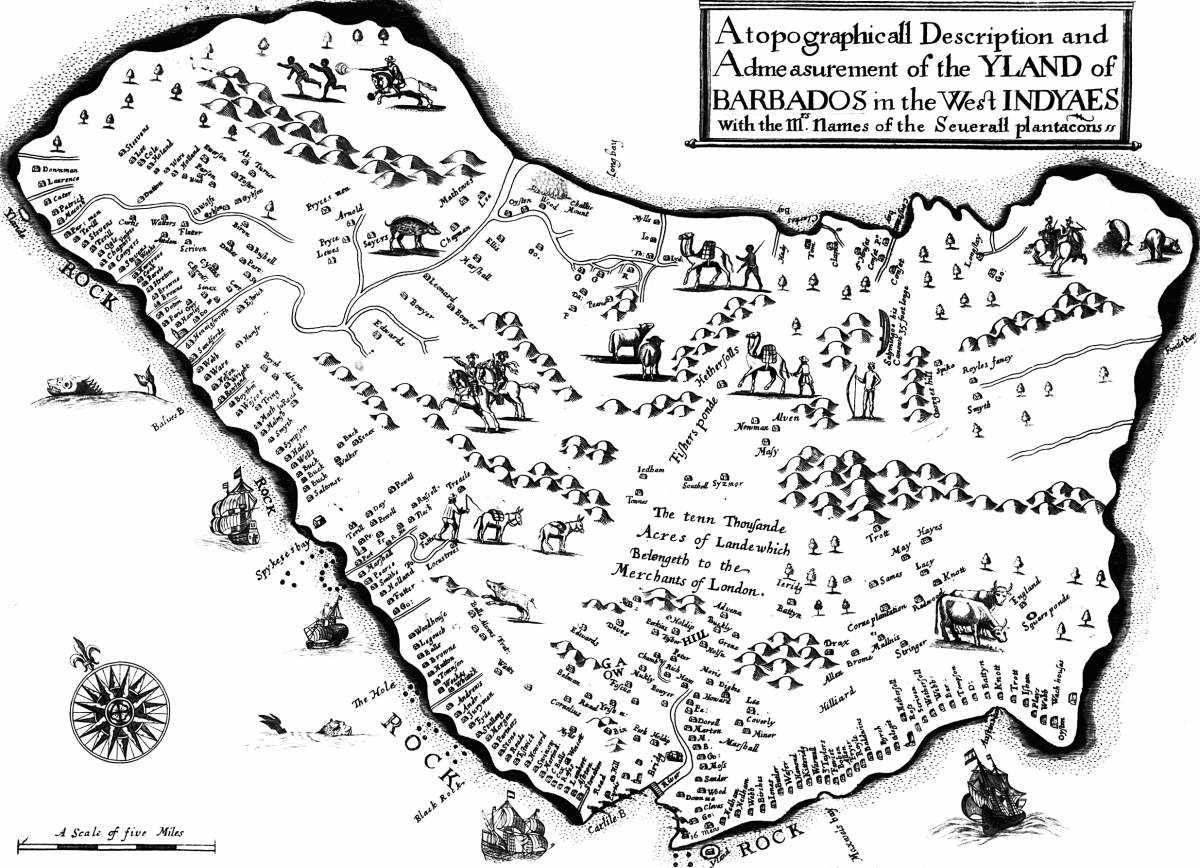
barbadosmapA little over a year ago, I switched research interests from the study of eighteenth-century contraband trade between Jamaica and Cartagena de Indias to a comparative study of the codification of slave law in the greater Caribbean. Admittedly not too drastic of a change, I was nonetheless daunted by moving from a historiography containing a select number of significant works to a field where innumerable scholars have dedicated entire careers. Like any graduate student, I began working through the library stacks here at the College of William and Mary, seeking answers to what I thought would be easy questions: Were the legal regimes of European slave societies shaped by their interactions with other slave societies in the Caribbean? Were English slaveholding practices modeled off of successful Portuguese or Spanish examples? Why were there so many institutionalized efforts to codify slave law in the seventeenth century and did these separate legal dialogues unfold in conversation with one another? As you can probably guess, none of these questions have proven as easy to answer as I thought. Continue reading

Guest Post: The Value of Storytelling

We’re thrilled to welcome as our latest guest poster, Casey Schmitt. Casey is a PhD candidate in History at the College of William & Mary, where she is writing a dissertation on the Iberian roots of seventeenth-century Anglo-American slave law under the supervision of Brett Rushforth. Casey holds an MA in history from the University of Utah, where she wrote an excellent thesis on the British Asiento, illicit trade, and the limits of empire in the eighteenth-century Caribbean. Her teaching and research interests center on the inter-imperial nature of the early modern Americas.
As a newly-minted ABD embarking on my first stab at teaching the early American history survey, I find myself buried beneath my own excitement for the material. No one warned me that the biggest obstacle to designing a course would be curbing my own unrelenting enthusiasm. Perhaps no part of that enthusiasm has proven more damaging to my syllabus than my passion for storytelling. Specifically, I approached teaching the early America survey with a litany of historical works of fiction and non-fiction that I wanted to familiarize undergraduates with: 12 Years a Slave, Benito Cereno, Poor Richard’s Almanac, Letters From an American Farmer, among many, many other titles. Before too long I was looking at a weekly reading word count over 150 pages. Yikes. Continue reading