
 We’re pleased to feature this interview with Dr. Ian McKay, the director of the Wilson Institute for Canadian History at McMaster University in Hamilton, Ontario, and Dr. Maxime Dagenais, research coordinator at the Wilson Institute. Dr. McKay is a highly influential historian of Canada, whose books include The Quest of the Folk: Antimodernism and Cultural Selection in Twentieth-Century Nova Scotia (1994), Rebels, Reds, Radicals: Rethinking Canada’s Left History (2005), Reasoning Otherwise: Leftists and the People’s Enlightenment in Canada, 1890-1920 (2008), and [with Jamie Swift], Warrior Nation: Rebranding Canada in an Age of Anxiety (2012). He was named the Wilson Institute’s new director in 2015. Dr. Dagenais is a historian of Canada and the United States and holds a PhD in 19th Century British and French North American history from the University of Ottawa (October 2011). He was formerly a L.R. Wilson postdoctoral fellow at the Wilson Institute for Canadian History at McMaster University and a SSHRC postdoctoral fellow at the McNeil Center for Early American Studies at the University of Pennsylvania (2014-2016), where he was affectionately known as “Canadian Max.” He is the co-author (with Beatrice Craig) of The Land in Between. The Upper St. John Valley, Prehistory to World War One (2009), and is currently working on a research project on the 1837-38 Canadian Rebellions and the American people. Continue reading
Category Archives: Special Features
Guest Post: How Do We Find Religion in the American Revolution?
Kate Carté Engel is an associate professor of history at Southern Methodist University. She is the author of Religion and Profit: Moravians in Early America (Philadelphia: University of Pennsylvania Press, 2009), and she is currently writing a history of international protestantism and the American Revolution.
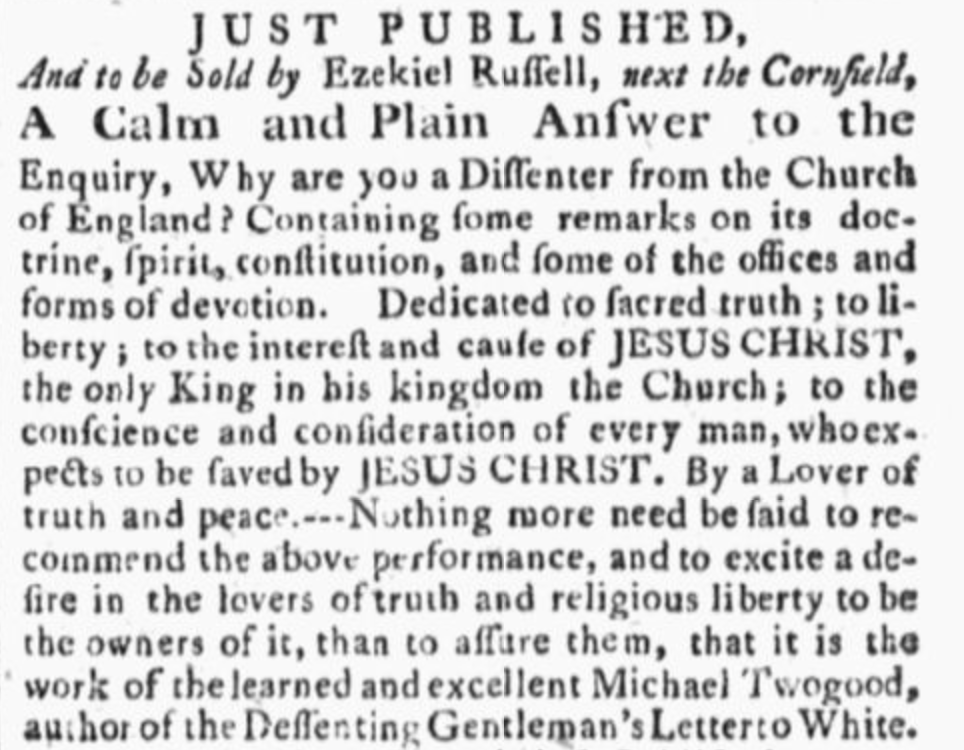 On May 17, 1773, an advertisement appeared in the Massachusetts Gazette for a new book by English dissenting minister Micaiah Towgood (misidentified in the advertisement as Michael Twogood). The ad is interesting because it is one of only 67 items in that come up in a search of Readex’s American Historical Newspapers database for the period between 1764 and 1789 containing a particular trifecta of terms: “Jesus Christ,” “liberty”, and (to get both religion and cognates like religious and religiously) “religio*”.
Q&A: Zachary Hutchins, editor of Community without Consent: New Perspectives on the Stamp Act
 On Sunday, the United States Postal Service introduced a stamp commemorating the 250th anniversary of the repeal of the Stamp Act. Today we are pleased to present an interview with Zachary Hutchins, editor of a new collection of essays from Dartmouth College Press that challenges traditional understandings of the Stamp Act Crisis as (in the words of the USPS) “setting [the colonists] on a path toward revolution and independence.” Zach is an Assistant Professor of English at Colorado State University. In 2014 he published his first book, Inventing Eden: Primitivism, Millennialism, and the Making of New England. A 2016 Fellow of the National Endowment for the Humanities, Hutchins is currently completing his second monograph, Before Equiano: A Prehistory of the North American Slave Narrative. Continue reading
Guest Post: More Atlantic Archives
Today, The Junto concludes its series on “Archives around the Atlantic” with a guest post from Patrick Johnson about working in the General Archive of Mexico. Patrick Johnson is a PhD candidate in Anthropology at William and Mary, you can read about research and fieldwork from him and other anthropologists at their new blog.
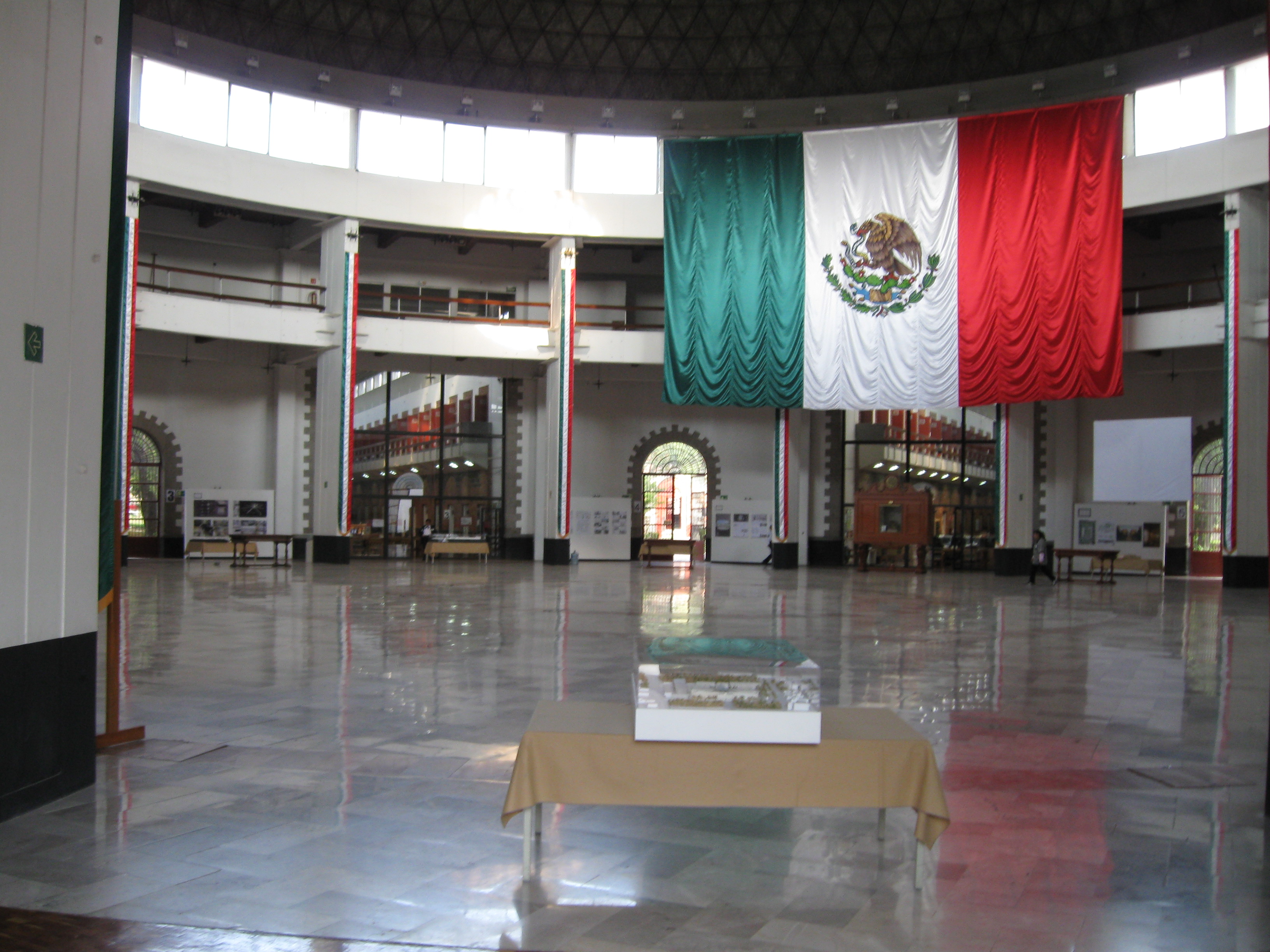 Great posts at The Junto about archival work in Spain, France, England, Jamaica, and the United States got me thinking about my own archival work in 2010 in Mexico City. And, while the Archive of the Indies receives well-deserved attention from historians, Spanish archives in Mexico and collections in the US remain underutilized for understanding not only territories occupied by the Spanish but also colonialism in the present-day United States. Continue reading
Guest Post: Reporting from the Edges of Exceptionalism: Early American History in Oceania in 2016
Today’s post is by Taylor Spence, a Lecturer in Monash University’s School of Philosophical, Historical and International Studies and a Research Fellow with the Monash Indigenous Centre. Agricultural History will publish Dr. Spence’s next article, “The Canada Thistle: The Pestilence of North American Colonialisms and the Emergence of an Exceptionalist Identity, 1783-1839” (vol. 90, no.3), this fall. He lives in Melbourne and Brooklyn.
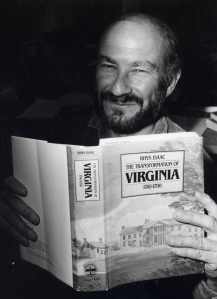 As a local representative of American Empire in Melbourne, Australia, and fifteen years after Michael McGerr and Ian Tyrrell’s spirited exchange in the pages of the American Historical Review, in which they wrestled with the potential gains and losses of a transnational American history, I thought it was time, in the spirit of Alistair Cooke, to send a “Letter to America,” checking in on the topic of American Exceptionalism and the viability of the transnational historical project in Oceania.[1] Reporting from the front lines of the outward-pression of the exceptionalist frontier, I can report that it has only partially been successful: you in the U.S. have much more work to do if you hope to bring Australians to worship at the altar of Washington, Hamilton, and Lincoln. Perhaps a touring company of Hamilton would be in order? But if, in all seriousness, the continued popularity of American history courses at my Australian university and a similar lack of popularity for Australian history courses attests to the successful mystification of a certain segment of the population, the clear-eyed work of Oceanic Early Americanists demonstrates that the U.S. metanarrative is but grist for the mill. For decades, now, these scholars have produced an unabating stream of masterful transnational studies, which are methodically eroding the exceptionalist juggernaut. Continue reading
Guest Post: Research in Jamaica
Rounding off this week’s roundtable on travel to the archives, we are pleased to present a guest post by Dr. Aaron Graham, a Stipendiary Lecturer in History at New College, Oxford, and author of Corruption, Party, and Government in Great Britain, 1702-1713 (Oxford University Press, 2015). Aaron is currently working on corruption, finance and empire in North America and the West Indies during the long eighteenth century.
Archives in Jamaica and the West Indies tend to be overlooked. “There are duplicates of the whole lot in the [Public] Record Office in London,” one colonial official noted in 1928, “[and] researchers will work in London rather than here.”[1] My recent visit to the Jamaica Archives and National Library of Jamaica suggests this is not entirely true. The papers that were sent back to Britain tended only to be those of interest to the imperial government, and although large amounts of material have been lost or destroyed by the climate, what remains in Jamaica can shed important light on society in the West Indies from the colonial, rather than imperial perspective. Although there are frustrating gaps in all of these series, by the standards of other archives in the West Indies they are uniquely rich, and the surface has still only been scratched. Continue reading
Non-Americans Researching Early America in North America
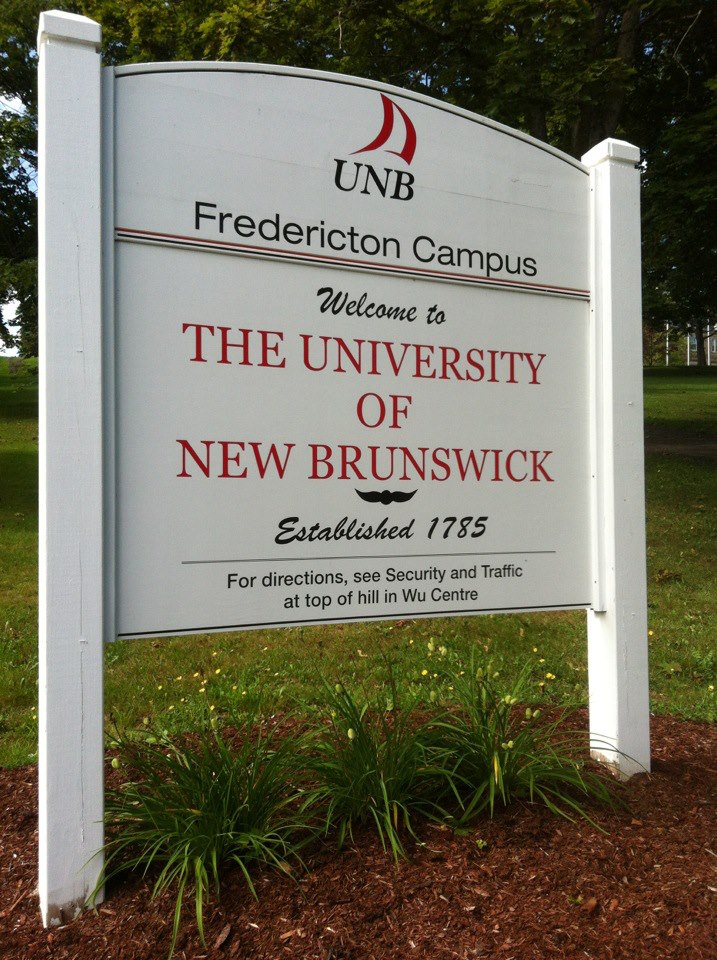 This week, several Juntoists have offered useful guides for archival work in Spain, France, and England. Today, we are offering something slightly different—a guide to researching in North America! After all, not all early Americanists are American, and planning transatlantic trips can be daunting. Continue reading
Research in London
 Casey Schmitt kicked off the week with a discussion of doing research in Seville, Spain. Hannah Bailey continued our forum yesterday, with a discussion of research in France. I’m going to continue the conversation with reflections on doing research in London. (For those interested in research gear, see my post from last summer.) Since there are quite a few archives libraries and archives that are potentially of interest to Early Americanists, I will primarily focus on the logistics, such as navigating London and finding accommodations. I’ve provided basic information on a few major archives near the end.
Early America en Français
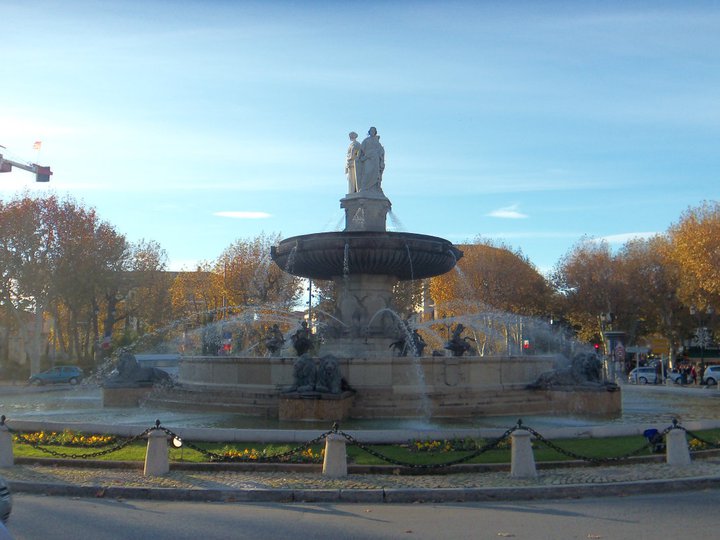 Yesterday, Casey Schmitt began our “Archives around the Atlantic” roundtable with an extremely helpful guide to the Archivo General de Indias in Sevilla. If you have not yet read her piece, you will want to do so here. My hope is that my post can be useful to two (potentially overlapping) audiences: one that is interested in general tips for doing research in French archives online, and one that will be lucky enough to be physically present in French archives in the near future.
Here are a few tips for delving into the French Atlantic from the comfort of your own internet: Continue reading
Early America in Español
This week, The Junto will explore, “Archives around the Atlantic.” As research projects frequently plunge early Americanists into far-flung archival settings, over the course of the next five days we will draw from the wide experience of our contributing editors to offer advice for approaching research abroad. It is our hope that this forum and the comments sections below might also tap into the collective expertise of The Junto readership with the common goal of making foreign archives accessible and productive.
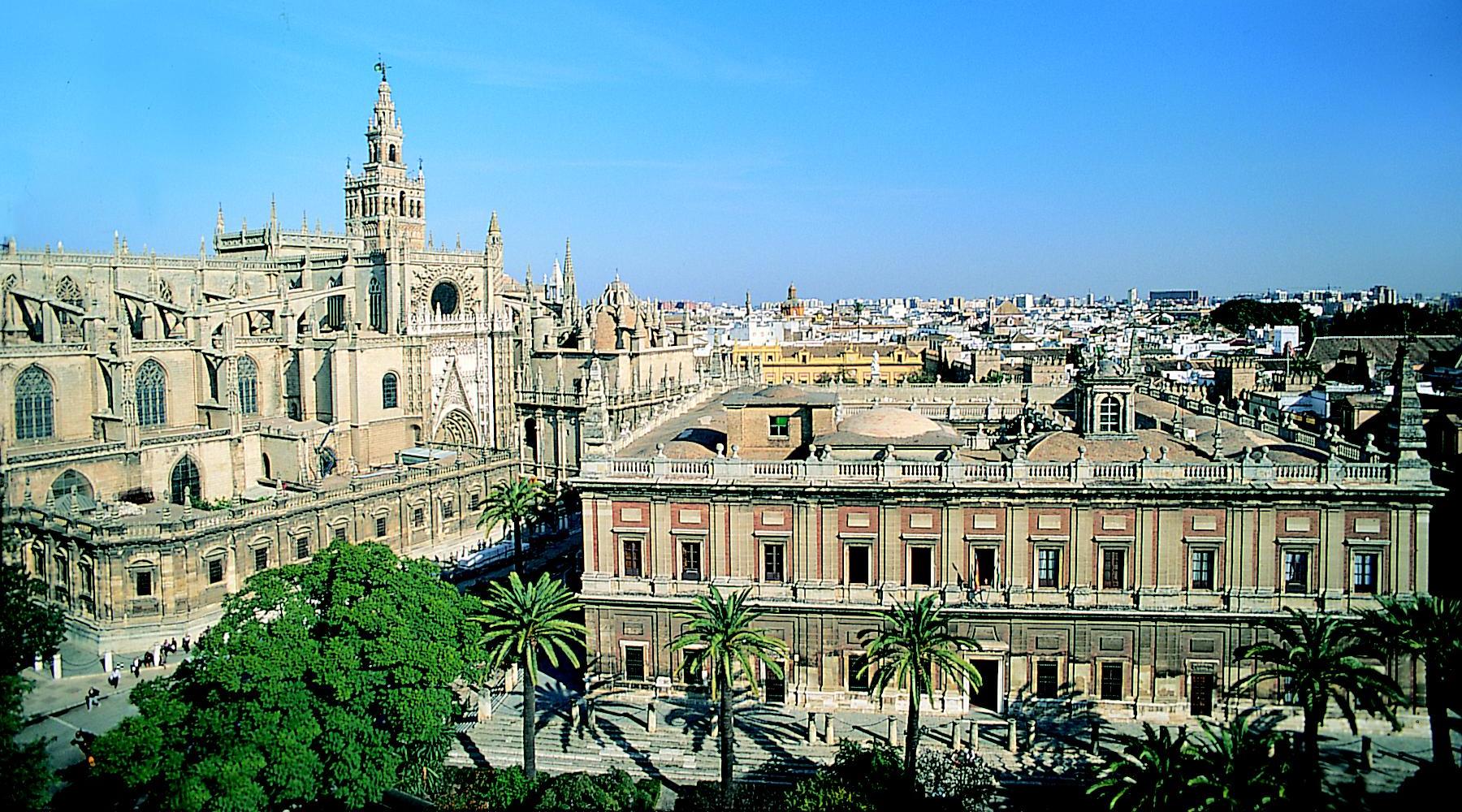 While the Archivo General de Indias in Sevilla remains the primary destination for scholars working on projects relating the Spain’s colonial empire, the collections infrequently receive the attention they deserve from historians north of the Río Grande. This, despite Kristen Block and Jenny Shaw’s proclamation that, “colonial records in the Spanish archives reveal a wealth of reportage” about moments in early American history for which few extant documents remain elsewhere.[1] In fact, Block and Shaw’s 2011 article, “Subjects without an Empire: The Irish in the Early Modern Caribbean,” forces a reconsideration of the contours of Anglo-Irish relations in the early Caribbean by reading Spanish and English language documents side-by-side. Uncovering the lived experience of Don Juan Morfa—an Irish translator for the governor of Santo Domingo and linchpin in the defense of the island against Cromwell’s Western Design—depended on reading documents housed in the AGI. Continue reading
 The Junto