Today’s guest post comes from Barton Price. Barton is the Director of the Centers for Academic Success and Achievement at Indiana University – Purdue University Fort Wayne (IPFW). He has taught courses in American history, religious studies, and history of rock and roll at IPFW. Price has a Ph.D. in American religious history from Florida State University. His research interests vary from religion in the American heartland to the scholarship of teaching and learning in religious studies and history. Here he offers some thoughts on teaching the U.S. History survey course gleaned from his administrative experience in an academic support center.
 The start of another semester is upon us. It is a new opportunity to teach students about America’s past, to correct longstanding inaccurate assumptions about that past, and to introduce students to the ways of thinking like a historian. It is also an opportunity to foster student academic success. The introductory survey course is a venue for such accomplishments. Continue reading
 Contemporary culture loves origin stories. It’s not just that when we make our superhero movies, we always start with the origin—we even like to start the same franchises

 Maryland’s religious history is unique in colonial British North America. We largely remember Maryland as the Catholic colony that embraced religious toleration and religious freedom, in contrast to New England’s stodgily Puritan establishment or Virginia’s scattered Anglican church. Scholars and commentators looking for sources or influences on the First Amendment are consistently drawn to the colony’s justifiably famous 1649 “Act concerning Religion.” This act made it a crime to “declare call or denominate any pson or psons whatsoever inhabiting” Maryland “an heritick, Scismatick, Idolater, puritan, Independant, Prespiterian popish prest, Jesuite, Jesuited papist, Lutheran, Calvenist, Anabaptist, Brownist, Antinomian, Barro-wist, Roundhead, Sepatist, or any other name or terme in a reproachfull manner relating to matter of Religion.” “[T]he free exercise” of Christian religion was explicitly protected by the act, with repeat violators of their fellow colonialists’ conscience were to be “severely punished by publick whipping & imprisonmt.”[1] The “Act concerning Religion” places Maryland next to Rhode Island and Pennsylvania as one of the colonial regimes committed, for European Christians at least, to religious freedom in the seventeenth century.
 Happy 2015 to our Junto readers!
 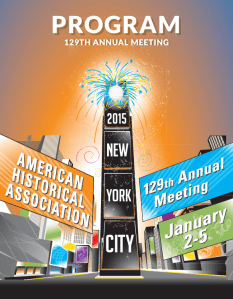 Happy New Year from all of us at The Junto! We hope you had a restful and enjoyable holiday break. For historians, the turn of the calendar to 2015 means that many of us are en route to the AHA Annual Meeting in New York City. Having grown up in the area, I’d like to welcome you all to New York, where the bagels and pizza are really just better, and we stand “on line” for coffee, not “in line.”
![1862_LON_14_1862_NPL_P385[SVC1]](https://earlyamericanists.com/wp-content/uploads/2014/12/1862_lon_14_1862_npl_p385svc1.jpg?w=550) He was, at first, another young shadow hurrying through Westminster Hall. He carried flimsier credentials than most, papers hastily sent by a new nation called the Confederate States of America. It was November 1862, and, since spring, he had stretched expenses to accommodate the bare $750 granted to fund his secretive mission. Still, regular sightings of the worn, 29 year-old Swiss-American stranger, who had shipped to London via the fiery newsrooms of Richmond and Mobile, caused a flutter of concern among British peers. Within weeks, the constant American shadow near Parliament became a very real worry. “He is but a private gentleman, it is true,”
He was, at first, another young shadow hurrying through Westminster Hall. He carried flimsier credentials than most, papers hastily sent by a new nation called the Confederate States of America. It was November 1862, and, since spring, he had stretched expenses to accommodate the bare $750 granted to fund his secretive mission. Still, regular sightings of the worn, 29 year-old Swiss-American stranger, who had shipped to London via the fiery newsrooms of Richmond and Mobile, caused a flutter of concern among British peers. Within weeks, the constant American shadow near Parliament became a very real worry. “He is but a private gentleman, it is true,” 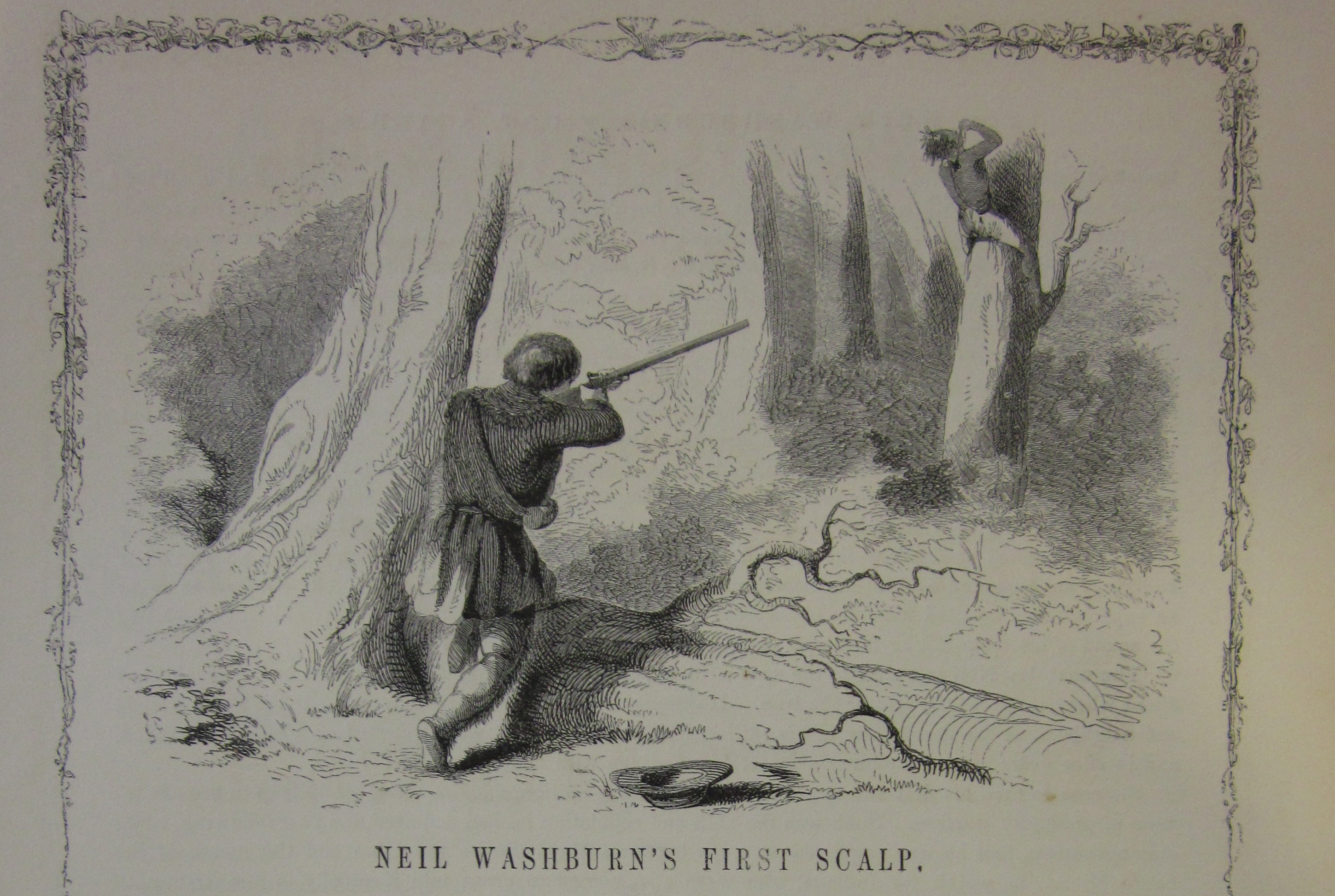
 The Junto