This is the second post in the series on Teaching Amid Political Tension (read Part I). Today’s post is by Gautham Rao, who is an Assistant Professor of History at American University. He is on Twitter @gauthamrao.
One day in my small undergraduate historiography seminar a few years ago, one student said something really offensive to another student. I can’t really repeat the offending sentence, but it involved a racist aspersion toward a student of color and the offender invoked the name of then-candidate Trump as he spat out the shocking utterance. I remember being so shocked at what I had heard, and the condescending way in which it was said, that I shrank from the occasion. Luckily, the student at whom the comment was directed was more than capable of standing up for herself and others. No matter, I went home that day feeling like I had failed my students. The feeling did not go away for a long time.
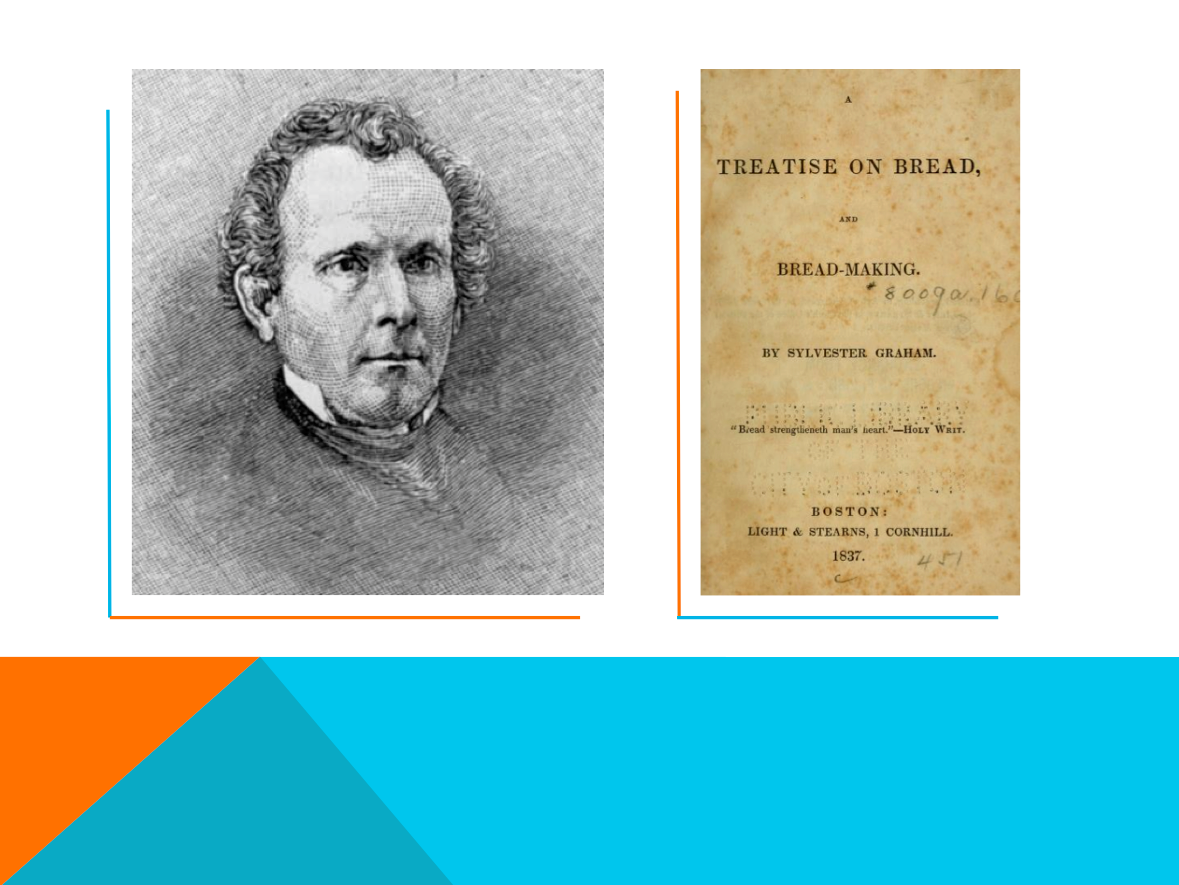
 Good morning, Junto readers! As we head into July 4th weekend, what better city to visit than Philadelphia? Today, we discuss the exciting intellectual opportunities that accompany the curation of printed collections, with Dr. David Gary, Curator of Printed Materials at the American Philosophical Society.
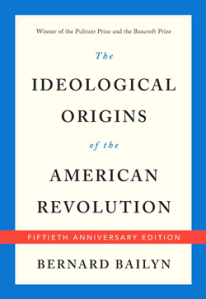 It took me a long time to warm to The Ideological Origins of the American Revolution. I don’t think this is an uncommon experience for an early Americanist. Fifty years after its publication, Bailyn’s seminal work still features prominently on graduate and undergraduate reading lists. Yet it is hard to say that the book is beloved. Often, simply mentioning Bailyn’s name can be a pejorative shorthand—an outmoded view of the past that celebrates elites at the expense of the darker underbelly of the Revolution. As an undergraduate, I too railed against the book. How far, I asked with youthful bluster, were minutemen really inspired by the cautionary tale of seventeenth-century Denmark? And yet, like the profession itself, I have found it hard to shake Bailyn’s shadow. How is it that a book that is often only grudgingly admired still occupies such a large part of the field’s mental imagination?
 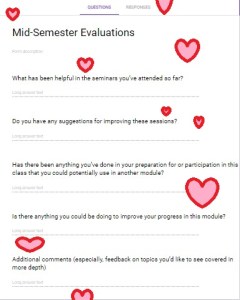 Well team, I’ve made it to Easter Break after my first post-sabbatical return to teaching, and if my silence on the blog has been any indication, it’s been busy. The sabbatical was obviously good for thinking about research and book stuff, but what I hadn’t anticipated was that the end of my sabbatical would also push me to reassess the ways that I teach. More specifically, it prompted a reexamination of the preparatory work that I do before seminars, and raised questions about the relationship between the amount of time I spend prepping and the extent to which my students benefit from my prep. Lately, I’ve been doing less prep myself and using various types of Google tools—Docs, Forms, and Sheets, mostly—to make students more responsible for their learning. Here’s how and why:
 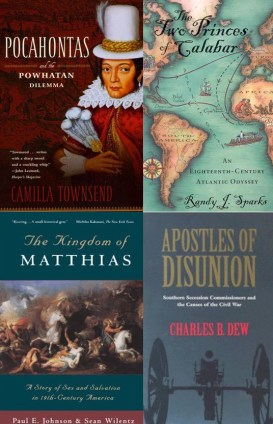 I’m teaching two sections of the first half of the U.S. survey this semester (which goes to 1877 here at BYU). I taught two sections of the same last semester. After nearly a five-year break from the classroom as I researched and wrote a dissertation, it was fun to be back in the classroom: to work with students, take a step back from the specifics of my own research, reflect on the broader themes and developments of early American history, and to update my lecture/discussion notes and outlines with the vast amounts of excellent scholarship produced over the course of that five-year period.

 I am fortunate that in graduate school, I had quite a bit of guidance in writing across the curriculum pedagogy. I have since taught approximately a dozen designated writing-intensive courses. Most history courses are writing-intensive by default, and many history faculty do find themselves teaching writing and research techniques. Here, I am focusing primarily on the strategies I use in survey courses, with a short list of monographs that I have found work well for this purpose.
 The Junto