Don Johnson is a Ph.D. candidate in History at Northwestern University. His work explores how ordinary Americans experienced the major political and military events of the Revolutionary era in the course of their everyday lives, and how those experiences shaped actions and changed world-views going forward. Don’s dissertation, now nearing completion, examines the social dynamics of six port cities occupied by the British army during the Revolutionary War.
 The AMC series Turn ended its first season last month with mixed reviews. The consensus seems to be that the series, which tells the story of the Culper spy ring during the American Revolution, has a strong cast, good production values, and promising subject matter but ultimately fails both as a drama and as an accurate representation of history. Popular reviews have mostly found the narrative arc slow and frustrating, while the show’s numerous departures from the historical record have inspired an entire blog devoted to separating fact from fiction. As The Junto’s Roy Rogers put it in his review of the first three episodes back in April, these narrative and historical failings made the series in large part “just another morality play—The Patriot in the guise of Mad Men.”
While Turn‘s main storyline falls far short of doing justice to the fascinating story of the Culper spies, in its background characters and neglected subplots lie many of the complex and diverse experiences of ordinary Americans. Continue reading →
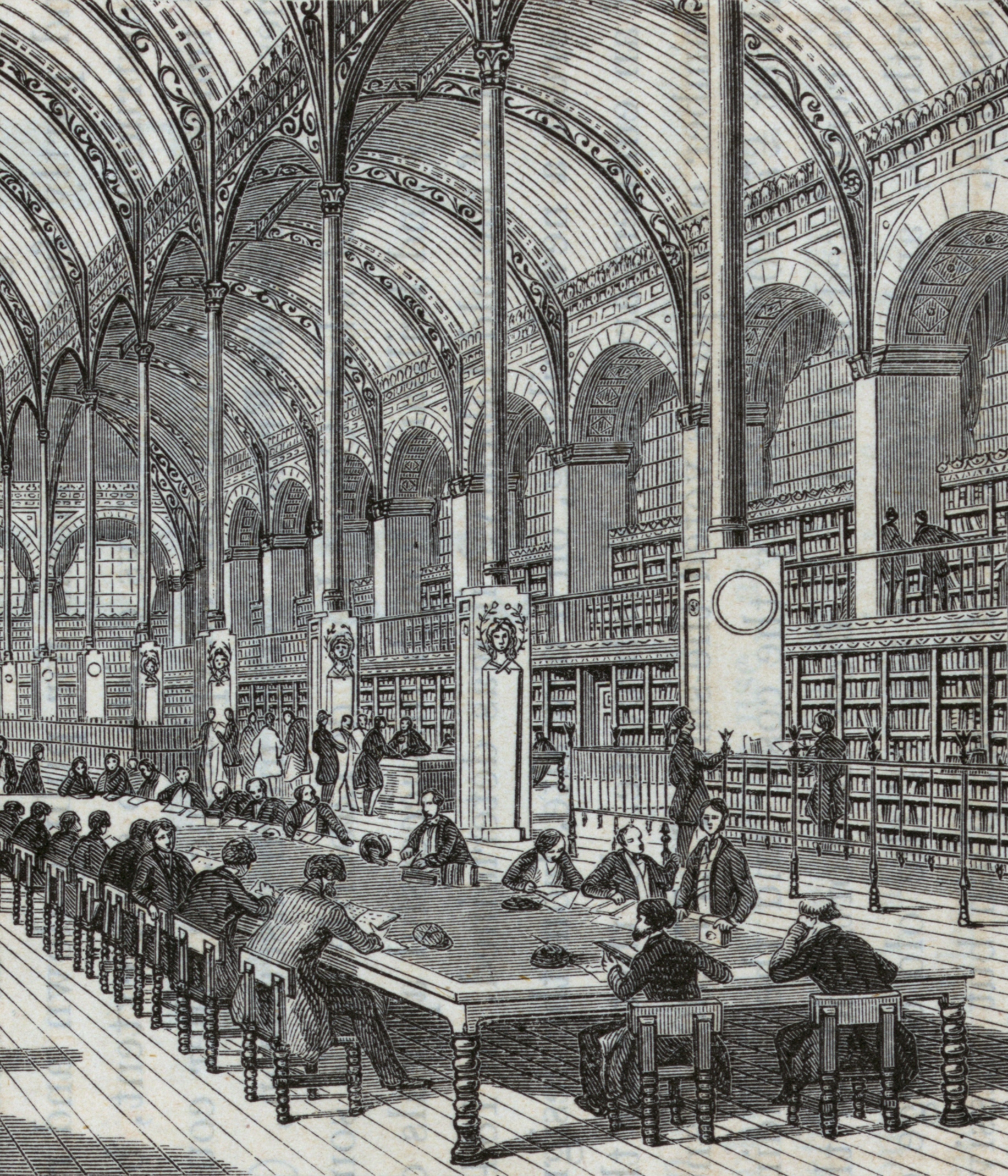 In his compendium of global archival practices, Memoirs of Libraries, Edward Edwards developed a history of how various peoples had organized their relationship to their pasts. For Edwards, political emancipation in the wake of the great revolutions required broadening public availability of the historical documents archived by the state. Continue reading
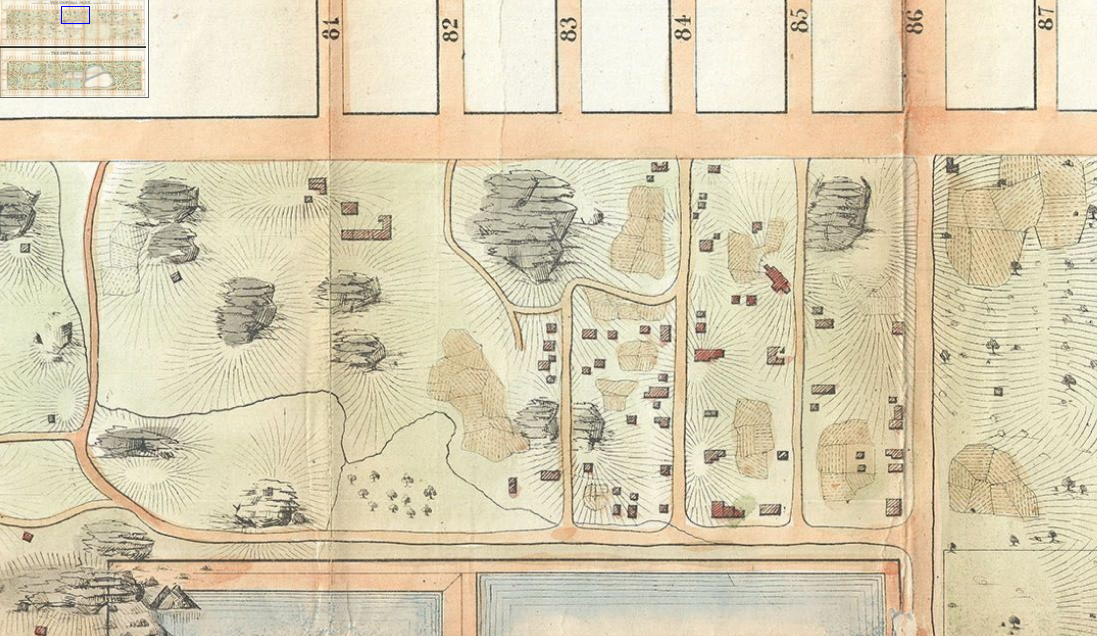
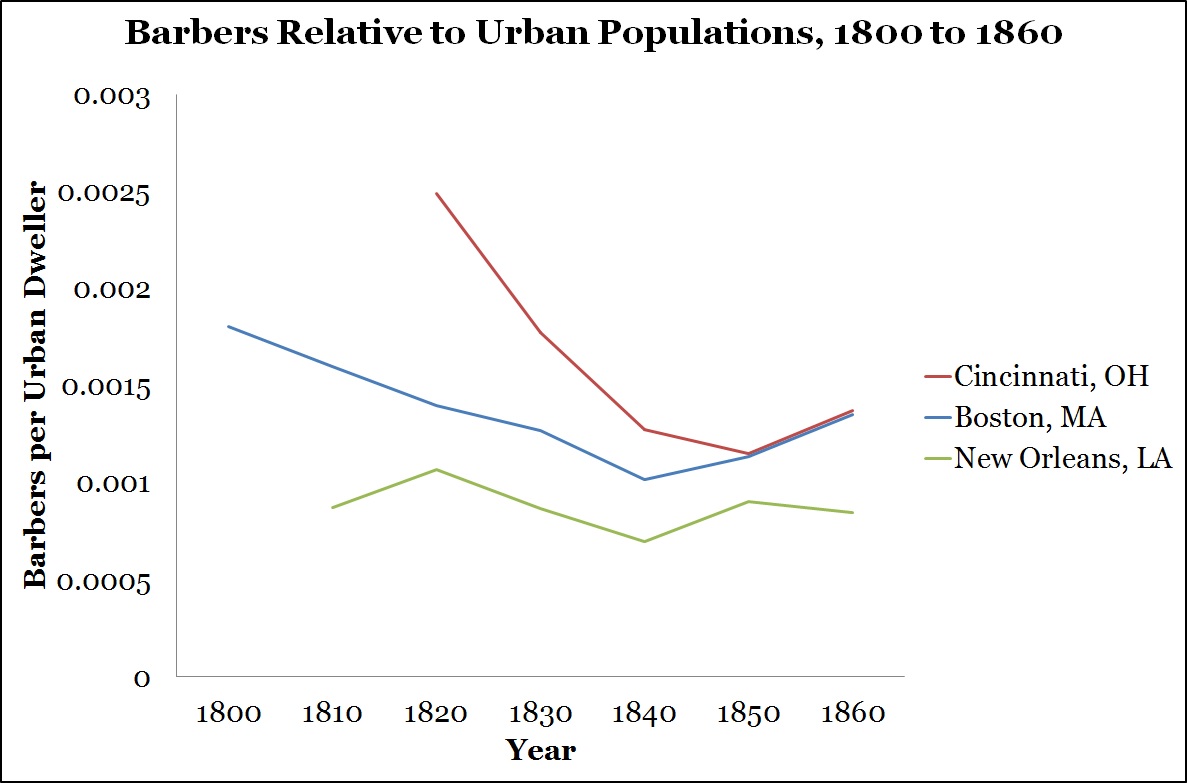
 In 1740, during George Whitefield’s first visit to New England, Connecticut minister Reverend Daniel Wadsworth wrote in his diary: “met with the famous life of Whitefield: but what is it?”[1] Wadsworth’s comments no doubt reflected both the excitement and the unease that Whitefield’s visit provoked among New England clergy, who both looked to him as a man who could renew piety and New England, but also feared his potential for exacerbating existing religious tensions. Nonetheless, it is a poignant question, and one anyone who is familiar with “the Grand Itinerant” might ask.
  One of the most provocative aspects of the popular Netflix series Orange is the New Black is the way it grapples with the issue of class (as well as race, gender, and sexuality) as it relates to the contemporary American penal system. By contrasting the prison experiences of the main character, Piper, an upper middle class white woman, with those of a range of working class and minority characters, the show invites a deeper reflection on the complex ways in which class divisions help shape and organize a supposedly impartial system of justice. In my own research on British military courts during the Revolutionary War, I have found that class, specifically the divide between officers and enlisted men, also helped determine crucial aspects of the military justice system.
 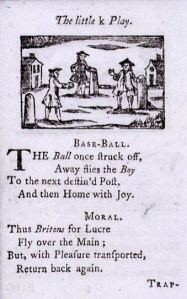 As most graduate students experience first-hand, the relationship between universities and unions can be complex. Our position as students, employees or a combination of the two varies largely by institution, particularly by whether or not our universities are public or private. However, if you’re a Division One football player with a potential NFL career in your future, the construct of a student-athlete underscores a specific question about the nature of labor in higher education. For those who participate in collegiate sports, are academic scholarships a privilege or a right, a special acknowledgement of their abilities on the field or a form of compensation for service to their institutions? Yet the tension between privileges and rights is as much about intellectual activity as it is about physical skills, dating all the way back to Andrew Law’s Privilege of 1781.

 The Junto