This is the third post in our series on Teaching Amid Political Tension (read Part I, Part II). Today’s post comes from Jennifer M. Black, an Assistant Professor of History and Government at Misericordia University in Dallas, PA, and Network Editor-in-Chief at H-Material Culture. She tweets at @blackjen1.
When asked to contribute to this roundtable, my mind immediately turned to a 100-level course I taught this past spring, “Turning Points in American History.” Though the course had been designed as a “greatest hits” of the US history survey, I decided that I wanted to interrogate the concept of memory as it relates to the Revolution, the Civil War, and more centrally, the shifting understandings of Freedom and Rights in the US. I intentionally chose materials that would trace these changing ideas over time and highlight the legacy of the Revolution in the Civil War, the 1960s, and our own moment today. Ultimately, I wanted to get my students to talk about the 2015 controversy that arose around the Confederate flag after Dylann Roof entered the Mother Emanuel Church in Charleston, SC and brutally murdered parishioners as they prayed. This, I hoped, would push them to consider the continued relevance of these moments—of history—for today. In forcing them to confront the ways the past still shapes our society and culture, I hoped they would be motivated to work towards a better future.
 Today we’re featuring an interview with Adrian Miller, author of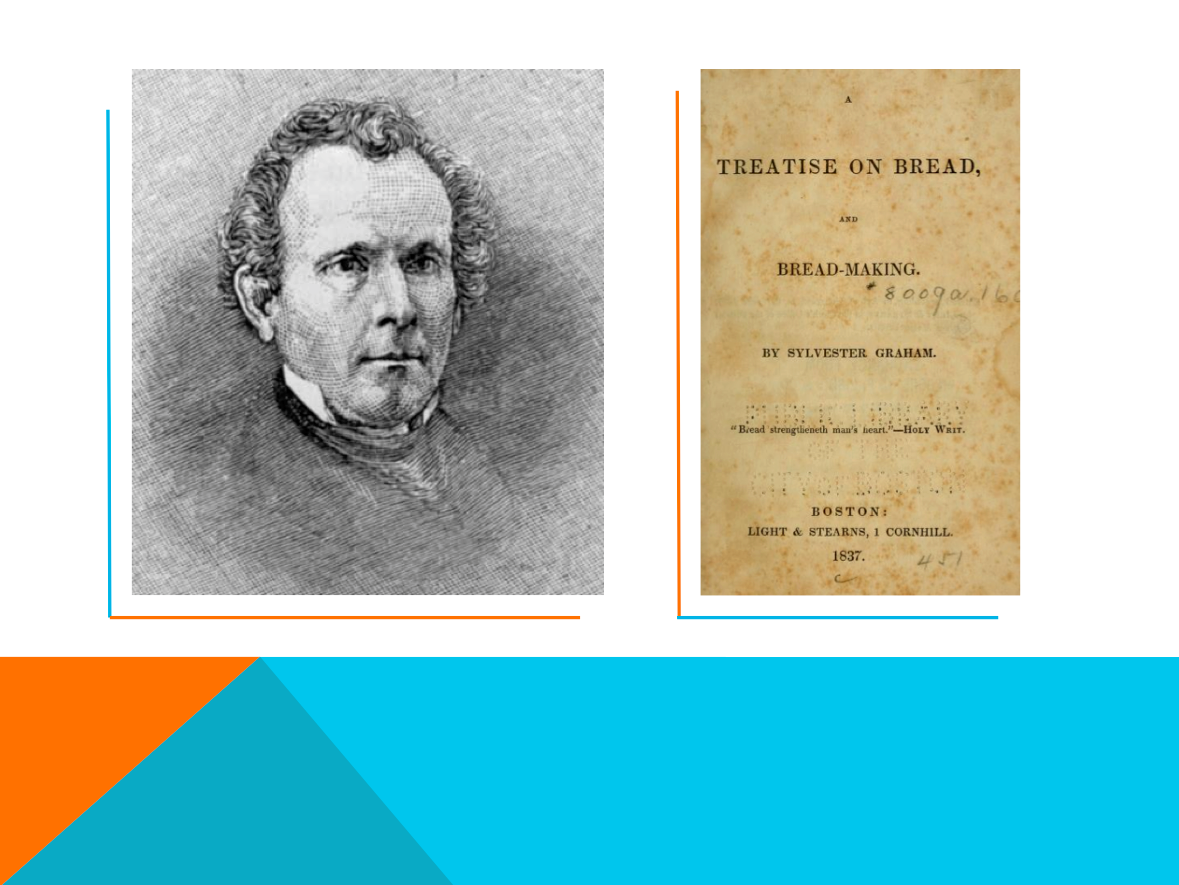
 We all have been there: or, at least many of us have. That is, the experience of having a writing brainstorm at an inopportune time. It may disrupt our sleep at 3 am, appear in the middle of office hours, or make itself known as the latest crisis is unfolding on Queen Sugar: often as a partially digested kernel of an idea. Much as writer’s block inevitably comes when we have All. The. Deadlines, that nugget of brilliance does puckishly seem inclined to appear when we are not in an immediate position to write. It has the potential to make a work-in-progress so much better, but its evanescent nature means it may not stick around until we are back in front of our computer. So what’s a scholar to do when they have a stroke of genius and don’t have a block of writing time immediately available?
 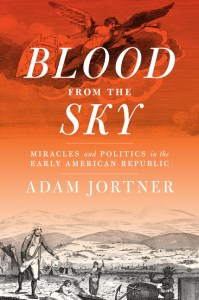 The role of religion in the early republic has received a fair amount of attention in the recent decades. And though there are competing narratives concerning how ministers and denominations took advantage of the post-revolutionary era—the “
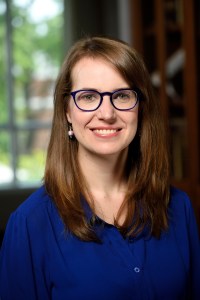 Today, Katy talks to Dr. Stephanie Gamble, Librarian for History and Anthropology in the Sheridan Libraries at Johns Hopkins University. Steph explains the wide range of responsibilities she undertakes as a librarian supporting the studies and efforts of both students and faculty. She also offers some tips for turning your CV into a resume . . . or, what she likes to call a “CV-ume.”
 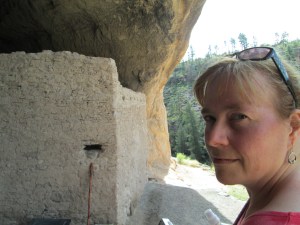 Welcome back to “Where Historians Work: The View from Early America!” This week Katy chats with Dr. Alea Henle, Head of Public Services Librarian at the J. Cloyd Miller Library at Western New Mexico University. The pair discuss the importance of “knowing your audience” as a historian and “self-knowledge” when it comes to thinking about next steps for a career.
  The Junto