 Dear Junto readers, Thank you for joining us for two weeks of all-new scholarship tracing the historical patterns of #ColonialCouture! Read the whole roundtable here.
Today’s #ColonialCouture finale post is by Kate Strasdin, senior lecturer in cultural studies at the Fashion & Textiles Institute, Falmouth University, whose research focus is on 19th- and 20th-century female dress and haute couture. Follow her @kateStrasdin.
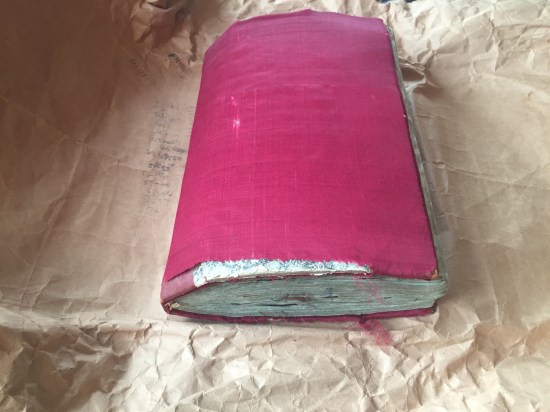
A small industrial town in the North West of England in the middle of the 19th century might seem an unlikely place to start with a narrative concerning dress and the colonies. On September 20 1838, Anne Burton married Adam Sykes in Tyldesley, Lancashire. A small piece of their wedding day is captured on the very first page of a volume that Anne was to keep for almost forty years – a fragment of her wedding dress and the figured silk waistcoat worn by her groom carefully pasted into what was to become her dress diary. Continue reading



 Wander through the
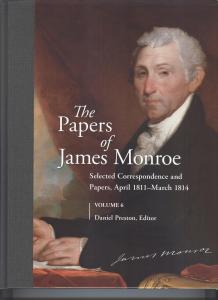 The latest volume of
  At a time when political events seem to place the very meaning of American democracy under the microscope, it is perhaps unsurprising that so many recent works have looked to re-evaluate the American Founding. Books focusing on the mid-1770s in general have included Kevin Philips’s 1775, Richard Beeman’s Our Lives, Our Fortunes, & Our Sacred Honor, and Joseph Ellis’s American Quartet. Recent books that have looked more specifically at the Declaration of Independence itself include Danielle Allen’s Our Declaration. Robert Parkinson’s The Common Cause, too, has called for a re-evaluation of what motivated those who fought for Independence, though his work calls for a much less celebratory conclusion. Such a list demonstrates the importance of the mid-1770s to America’s national identity. With The Heart of the Declaration, Steven Pincus throws his hat into the ring, too.
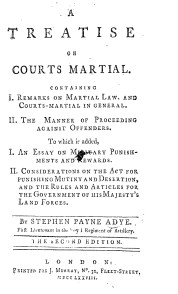 One of the most provocative aspects of the popular Netflix series Orange is the New Black is the way it grapples with the issue of class (as well as race, gender, and sexuality) as it relates to the contemporary American penal system. By contrasting the prison experiences of the main character, Piper, an upper middle class white woman, with those of a range of working class and minority characters, the show invites a deeper reflection on the complex ways in which class divisions help shape and organize a supposedly impartial system of justice. In my own research on British military courts during the Revolutionary War, I have found that class, specifically the divide between officers and enlisted men, also helped determine crucial aspects of the military justice system.
 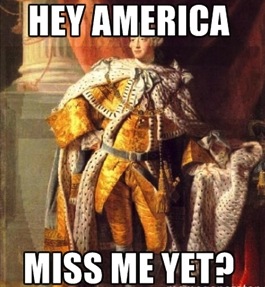 “There’s just one question I have to ask,” said the pleasant young man at the US Embassy, reviewing my visa application. “You are aware that we won, right?”
 The Junto