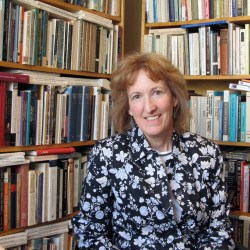
 Lois Green Carr was a pioneer in both social history and women’s history. Originally from an upper-class family from Massachusetts, Carr made her greatest impact in studying the history of women from the seventeenth-century Chesapeake. Carr’s mother, Constance McLaughlin Green, was a well-respected historian, who had received her PhD from Yale University. Carr attended Swarthmore College before enrolling in the graduate program at Harvard in 1943. Along the way, life happened. She got married in 1946, moved with her husband to New York in 1947, and had a child in 1952. In 1956, she accepted a job as a junior archivist at the Maryland Hall of Records. Family responsibilities and then difficulties at the end of the decade had rendered her progress toward completing her PhD quite slow. In fact, by that point, she said, “I had done no work for years on my PhD dissertation because I could not get to New England for needed research.”[1] Her solution was to switch her research focus to Maryland and find an advisor willing to take her on, which she did. In 1961, Bernard Bailyn became her advisor and by 1968 she had finally graduated, twenty-five years after starting graduate school. By the end of 1967, she had taken a job as the historian for the St. Mary’s City Commission. a post she would hold for nearly five decades. Continue reading →
 Students of the early American republic: I urge you to apply to SHEAR 2016’s Graduate Research Seminars!
 My Revolutionary America class recently visited the American Antiquarian Society for a behind-the-scenes tour followed by a document workshop in the Council Room. As we passed through the closed stacks I remarked to one of the curators, “This still blows me away, yet nothing can compare to the first time I came back here. Taking this all in for the first time is an experience that cannot be re-created.”
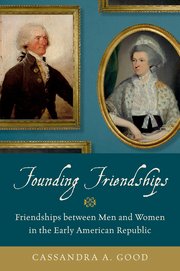
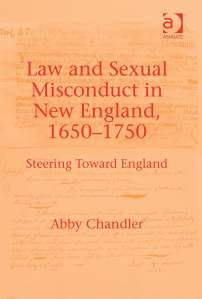 My forthcoming book,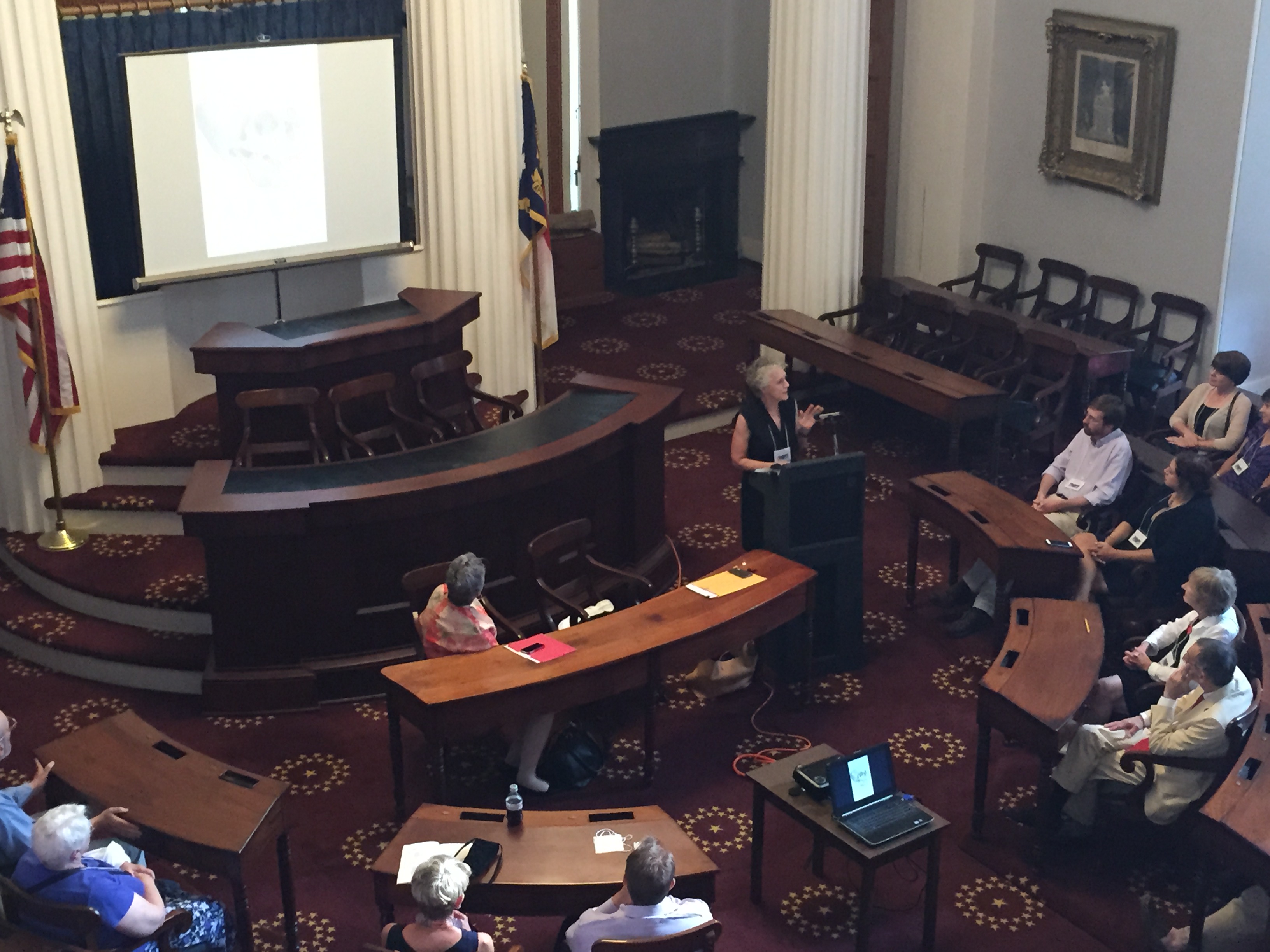
 nity of early Americanists is relatively small and close-knit within the larger historical profession. That made it all the more shocking and painful when we learned a few weeks ago of the passing of Dallett Hemphill.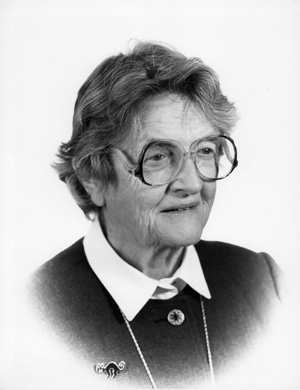


 The Junto