This week at the Junto we are stepping back to talk about what inspired our research projects. From dissertations to first and second book projects, we will bring together a range of scholars to discuss the method, source, book, or lecture that got them started. Today, we have a guest post from Whitney Barlow Robles. Whitney is a PhD candidate in American Studies at Harvard, and her work spans early American history, history of science, and material culture studies. Her most recent publications include an essay about a 1755 earthquake that shook Boston, published in The New England Quarterly, and a chapter about flattened scientific specimens in the book The Philosophy Chamber: Art and Science in Harvard’s Teaching Cabinet, 1766-1820. Her research has recently been supported by the American Historical Association, the American Antiquarian Society, and the Smithsonian Institution.

I am a wolf in sheep’s clothing. Or rather, a nature writer dressed as a historian. My dissertation reexamines the history of natural history in eighteenth-century America and the British Atlantic world by putting animals and natural specimens at the narrative center. It asks: What might historical documents, written or dried or submerged in alcohol, tell us about the actions of historical creatures? Why did animals remain, at some level, inscrutable? How did they escape the net, crash the experiment, shapeshift, fly away, or even help naturalists preserve specimens? And what might their role in early modern science tell us about the larger social and political projects powered by natural history? Liable to change over time, animals influenced the human world through their behavior, biology, physical traits, and, in the case of beasts like raccoons, perhaps even their own desires. Without understanding how animals circumscribed the project that sought to study them and thus set the terms for what humans could learn about nature, our view remains obscured. We can look through the microscope, but only with a cloudy lens. Continue reading
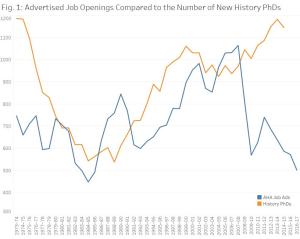 This week, the American Historical Association previewed a forthcoming report on the number of full-time history jobs. The post is entitled
  As an undergraduate, I didn’t take many large survey classes, and apart from one class, even the surveys that I took were taught by one faculty member. Larger U.S. universities do have more survey classes (I know, because I was a TA for several of them), but most that I taught on were also taught by one person. That model seems to be less usual in the United Kingdom, so I thought I’d talk about monster team-taught classes, the role of convener in bringing (and then holding) these classes together, and what you need to know about them if you’re considering the British job market.
 Here at The Junto, a group blog of early American historians, we’re looking for new voices to expand our coverage of this exciting field. We are seeking new members to further diversify the content of the blog and join our community of like-minded friends and scholars. New members commit to posting at least six times a year, and to helping with the blog’s administration. All Juntoists create and edit their own posts, solicit guest posts, organize interviews, reviews, and roundtables, and shape the direction of the blog. While unpaid, joining the Junto is a terrific opportunity to develop your public profile as a scholar and engage in an online intellectual community.
  I got involved with Race, Memory and the Digital Humanities Symposium (
 Impostor syndrome comes in many forms in academia, and this is how it comes for me: I shouldn’t be a doctor, because I never wrote a dissertation. I just wrote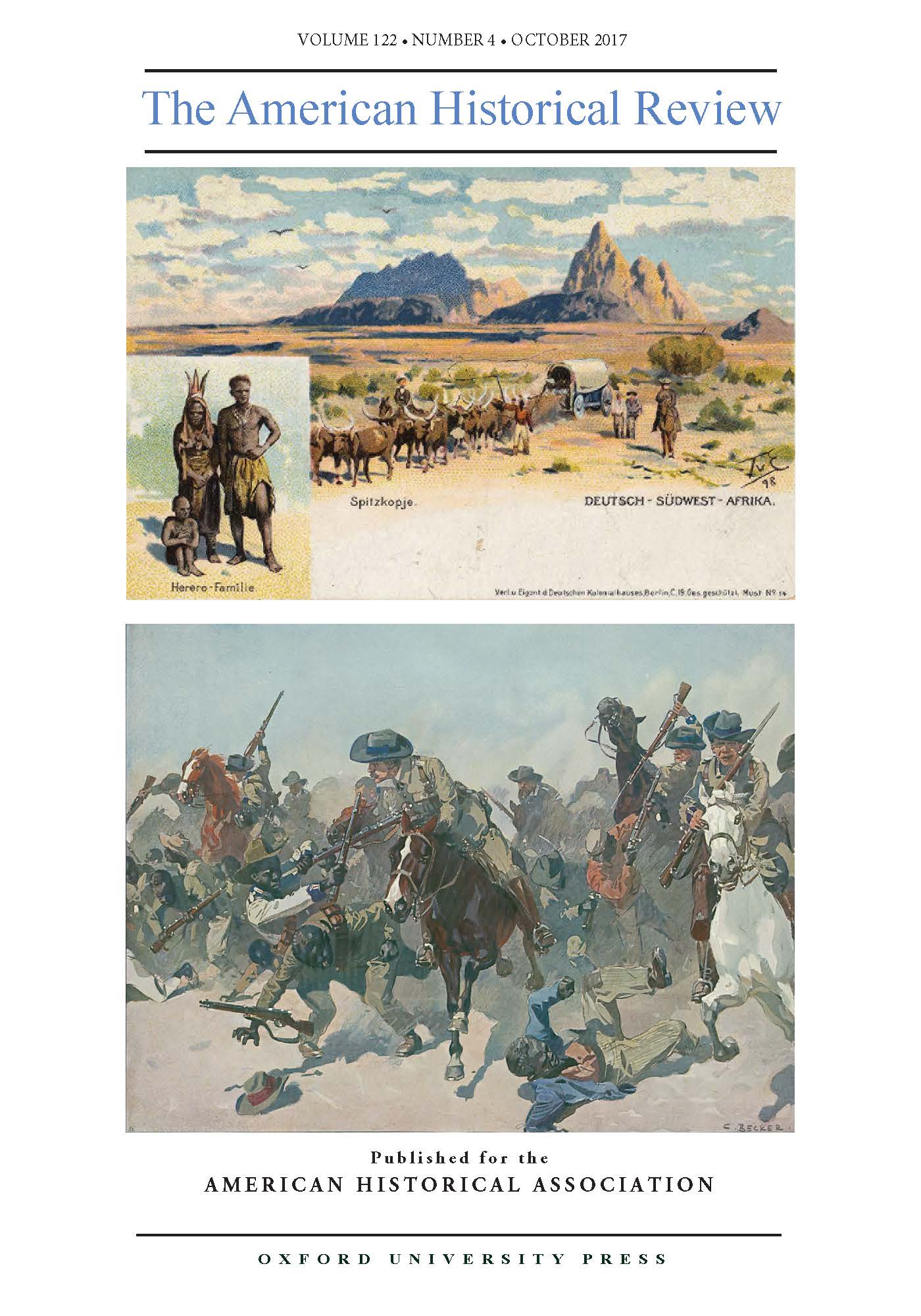
 Hamilton wrote … the other FIFTY-ONE!