Guest poster Keisha N. Blain (@KeishaBlain) is an Assistant Professor of History at the University of Iowa. She is a regular blogger for the African American Intellectual History Society (AAIHS). She is currently completing her first book entitled, Contesting the Global Color Line: Black Women, Nationalist Politics, and Internationalism. This post shares some additional insights into the racial violence Benjamin Park discussed following the Charleston shooting.
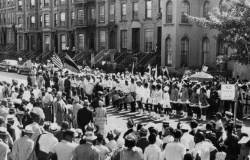
Members of the UNIA in Harlem, 1920s. Image: Black Business Network
Someone recently asked me why the black women activists I study were so determined to leave the United States. It was a question I had been asked many times before. As I often do, I explained the complex history of black emigration, highlighting how these women’s ideas were reflective of a long tradition of black nationalist and internationalist thought. I acknowledged the romantic utopian nature of these women’s ideas. However, I also addressed the socioeconomic challenges that many of these women endured and explained how the prospect of life in West Africa appeared to be far more appealing—especially during the tumultuous years of the Great Depression and World War II. I spoke about black women’s ties to Africa and the feelings of displacement many of them felt as they longed for a place to truly call home. It was the same feeling of displacement to which the poet Countee Cullen alluded when he asked a simple yet profound question: “What is Africa to me?”

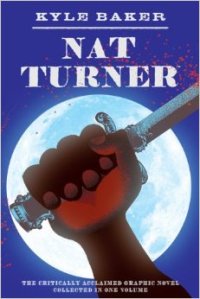 As anyone who has taught the history of slavery knows, it can be challenging. It is an important, but also emotionally loaded subject that can provoke spirited responses from students. Some students are resistant to discussing what they view as an ugly event in the past. Others may become defensive. And, for others, the history of slavery may be personal. The challenge becomes presenting the history in a thoughtful way that will engage students, but does not whitewashing history. Other traumatic events—genocide, war, etc.—can present similar pedagogical challenges.
 Welcome to another edition of This Week in American History. It has been a busy, yet troubling two weeks.


 The Junto