 If you missed previous posts in our new roundtable series on the history of childhood and youth, click here. On Mondays, Wednesdays, and Fridays for the next few weeks, stop by to read about challenges and realities of researching and teaching childhood and youth across vast early America.
Today’s interview is with Ben Davidson, a James Smithson Postdoctoral Fellow at the Smithsonian Institution in Washington, D.C. He recently completed his PhD in United States history at New York University. His book manuscript, “Freedom’s Generation: Coming of Age in the Era of Emancipation,” traces the lives of the generation of black and white children, in the North, South, and West, who grew up during the Civil War era. This project explores how young people across the nation learned persistent lessons, carried into adulthood, about complexities inherent in ideas and experiences of emancipation, assessing and interpreting how these lessons were transformed in memory well into the twentieth century. Continue reading
 Sari Altschuler is an assistant professor of English, associate director of the Humanities Center, and founding director of the minor in Health, Humanities, and Society at Northeastern University. Her book
  Rise and shine, it’s time to relaunch our regular(ish) roundup of breaking news from early America. To the links!
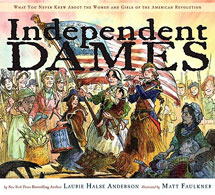 Thanks to all of our contributors and commentators who have participated in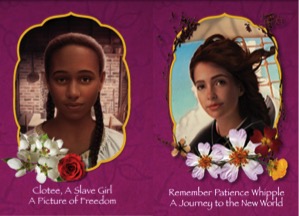


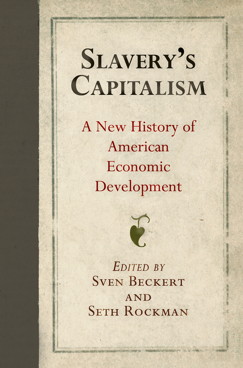 No one could possibly read the fourteen essays that comprise Slavery’s Capitalism and conclude that human bondage was not absolutely central to American, and indeed global, economic development during the nineteenth century. [1] But it’s one of the corollary aims of the book—to move beyond the regionalism that has characterized much of the scholarship on slavery—that seems to me a more provocative, more novel, and perhaps more fraught intervention.
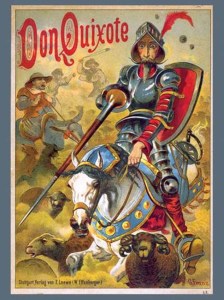 In a certain village of vast early America, whose name I do not recall, a book fell open. Then another. And another. By 1860, many generations’ worth of American readers had imbibed the two-volume work of Spain’s early modern master, Miguel de
  The Junto