![1862_LON_14_1862_NPL_P385[SVC1]](https://earlyamericanists.com/wp-content/uploads/2014/12/1862_lon_14_1862_npl_p385svc1.jpg?w=550) He was, at first, another young shadow hurrying through Westminster Hall. He carried flimsier credentials than most, papers hastily sent by a new nation called the Confederate States of America. It was November 1862, and, since spring, he had stretched expenses to accommodate the bare $750 granted to fund his secretive mission. Still, regular sightings of the worn, 29 year-old Swiss-American stranger, who had shipped to London via the fiery newsrooms of Richmond and Mobile, caused a flutter of concern among British peers. Within weeks, the constant American shadow near Parliament became a very real worry. “He is but a private gentleman, it is true,” one M.P. fretted, “yet he may leave his card at the Foreign Office, and possibly find his way upstairs.” Continue reading
He was, at first, another young shadow hurrying through Westminster Hall. He carried flimsier credentials than most, papers hastily sent by a new nation called the Confederate States of America. It was November 1862, and, since spring, he had stretched expenses to accommodate the bare $750 granted to fund his secretive mission. Still, regular sightings of the worn, 29 year-old Swiss-American stranger, who had shipped to London via the fiery newsrooms of Richmond and Mobile, caused a flutter of concern among British peers. Within weeks, the constant American shadow near Parliament became a very real worry. “He is but a private gentleman, it is true,” one M.P. fretted, “yet he may leave his card at the Foreign Office, and possibly find his way upstairs.” Continue reading
Tag Archives: Civil War
Winter Reads
Just in time for your holiday shopping list, here’s our preview of new titles—share your finds in the comments! Continue reading
Contested Rites
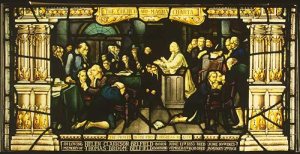 Joseph Yesurun Pinto, a 31 year-old Anglo-Dutch émigré in the autumn of 1760, had led New York’s Shearith Israel synagogue for barely a year when the second notice appeared in the papers. To re-commemorate the British conquest of Canada, all “Christian societies” and “houses of worship” would celebrate a day of thanksgiving on Thursday, October 23d. Over the past decade, New Englanders and their neighbors had held at least 50 fast days, many to lament God’s judgments against America, or to reform their wayward behavior. The proclamation of a thanksgiving day likely brought some measure of relief and joy.
Conference: The Antislavery Bulwark: The Antislavery Origins of the Civil War
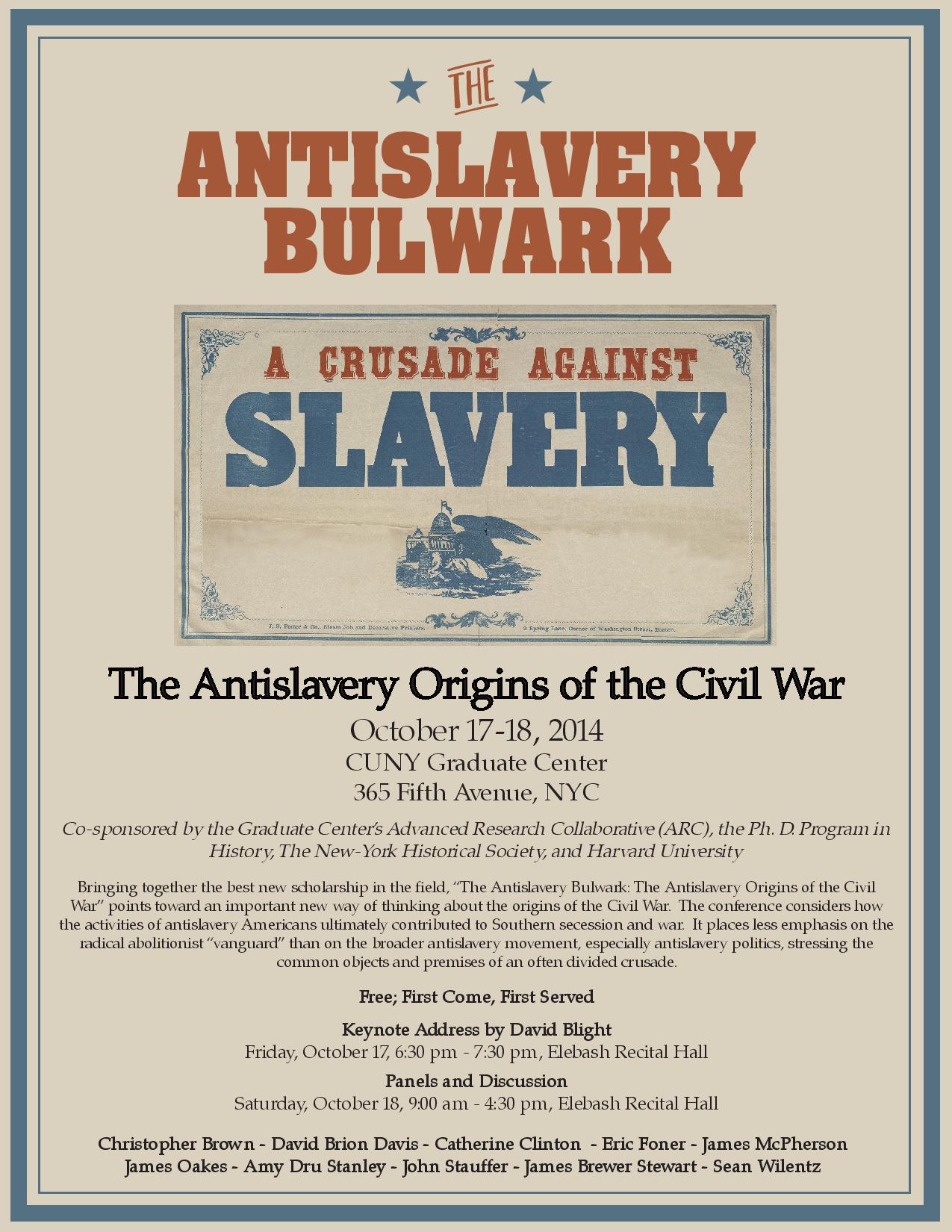 In two weeks the CUNY Graduate Center will be hosting an all-star conference “The Antislavery Bulwark: The Antislavery Origins of the Civil War.”[1] This conference, co-organized by the Graduate Center, Harvard University, and the New York Historical Society, seeks to trace origins of the antislavery political movement from the eighteenth century to its apotheosis in the thirteenth and fourteenth amendments to the Constitution. Continue reading
Object Lessons
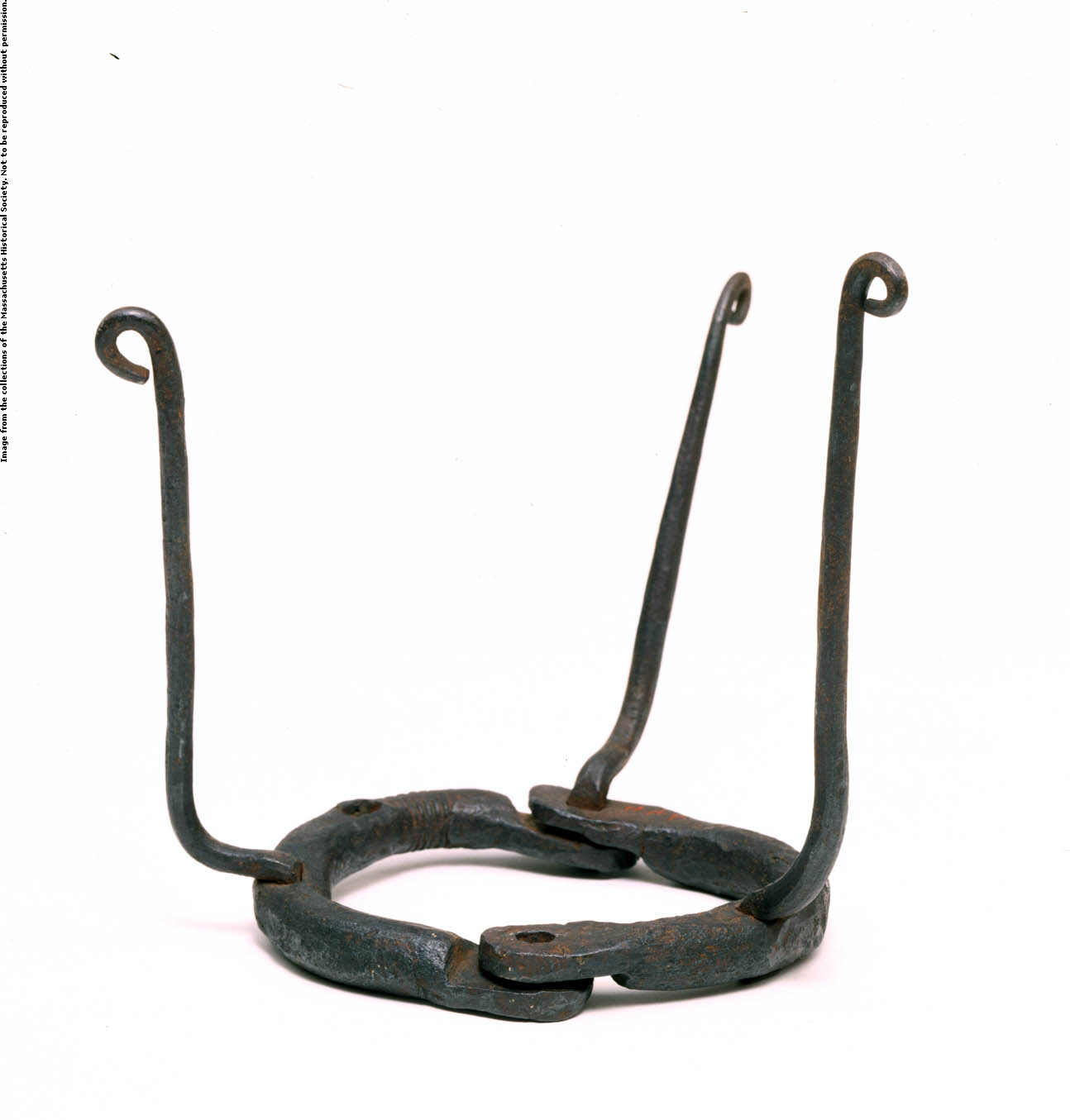
Iron Yoke Slave Collar
John A. Andrew Artifact Collection, MHS
Questions first ignited in a comprehensive exam room have an electric way of rippling through your whole career, whether you’re teaching in a university classroom and/or in the realms of public history. Take, for example, a standard query about nineteenth-century material culture: How would you tell a history of the American Civil War in five objects?
Autumn Reads
 Here’s our fall preview of new titles—share your finds in the comments! Continue reading
The Week in Early American History
 After a few quiet weeks in early American history, we’re back with your breaking headlines. To the links! Continue reading
The Week in Early American History

Hello and welcome to another exciting week in early American history! Continue reading
Was the American Revolution a Civil War?
 “Every great revolution is a civil war,” as David Armitage has recently remarked. That insight could change the way we think about the American Revolution. Contemporaries understood it that way—or at least, they did at first. David Ramsay, the first patriot historian of the war, held that the Revolution was “originally a civil war in the estimation of both parties.” Mercy Otis Warren wrote that the fires of civil war were kindled as early as the Boston massacre. But in the narratives of these historians, the moment the United States declared independence was the moment the conflict stopped being a civil war. It was no longer being fought within a single imperial polity. Now it was a war between two nations.[1] Continue reading
The Week in Early American History
On to this week’s links…
 The Junto