I acknowledge the generous help of Michael Hattem in gathering all the statistics and relevant information for this post. And just as he is the real puppeteer behind the curtain of the post, he serves a similar function for the entire blog in general; appreciation is herein expressed, once again, to him.
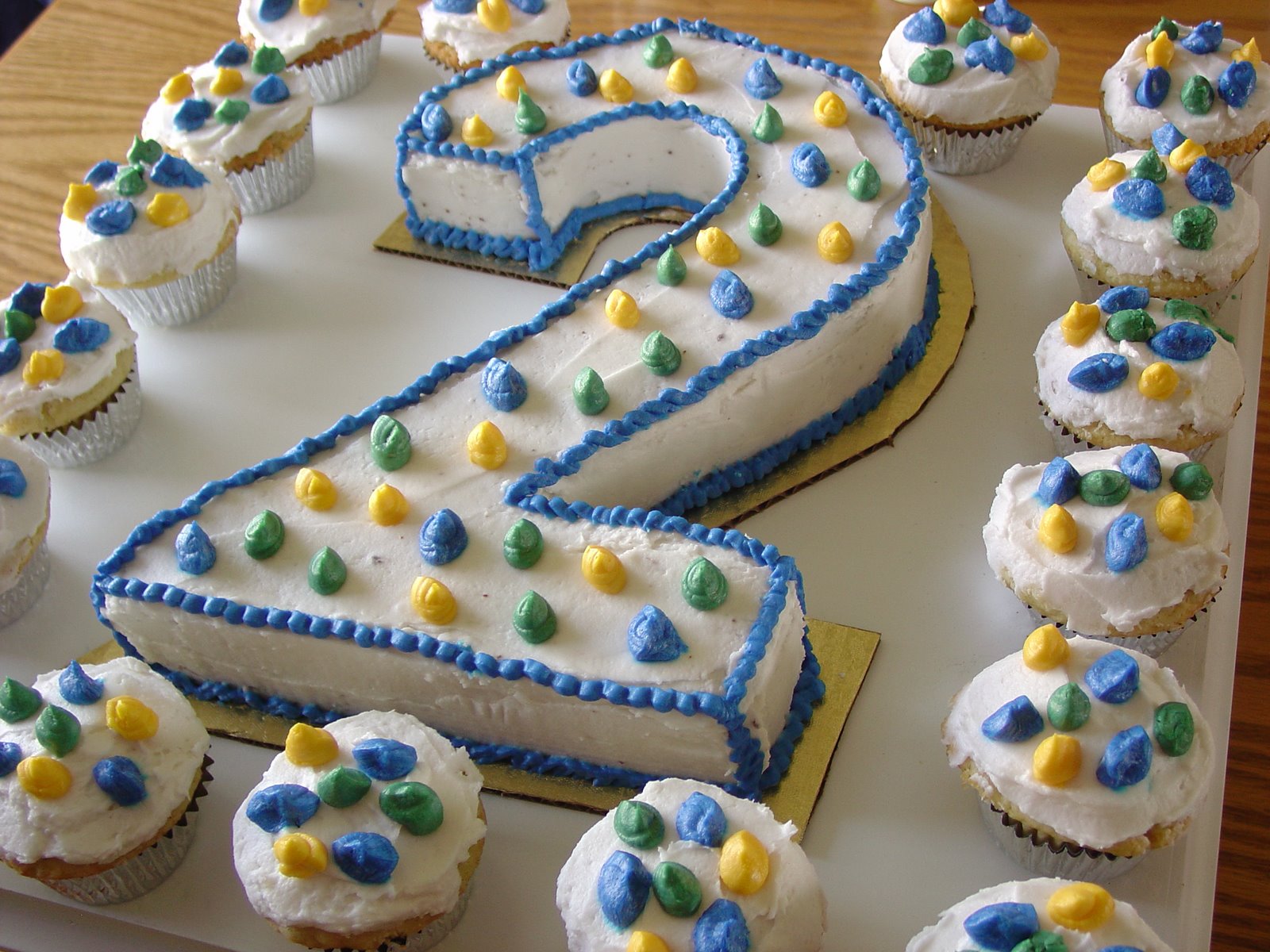 Two years ago today, The Junto announced its entrance into the academic blogging world. When I originally conceived of the idea for the blog and pitched it to three fellow grad students (Michael Blaakman, Katy Lasdow, and Eric Herschthal) in an uptown Manhattan coffee shop in September(ish) 2012, I merely wanted to come up with a small community that could alleviate my alone-ness of studying American history while living in the UK. A few months later, the blog was born; two years later, our empire expands. It is becoming fairly common to meet people at an academic conference and, after I share my name, the person replies, “Oh, you’re Ben Park from The Junto?” It makes me smile every. single. time. I could have hardly conceived of where the blog has gone since our humble beginnings. Yet here we are. What follows is a general report of what has taken place since we last celebrated our blog’s birthday. Continue reading


 So you know what’s hilarious? Trying to revise your dissertation into a book during the semester. I will admit that I am in the middle of editing my worst dissertation chapter, and am yelling out of a metaphorical pit of despair that’s been dug by a combination of bad prose and end-of-the-semester angst. Part of these struggles have to do with the fact that even after writing the chapter, submitting it, and defending it, I’m still not really sure what this chapter’s argument needs to say. This problem is directly tied to the fact that I found (and continue to find) myself befuddled by late-eighteenth-century Southern Indian affairs. So many factions! So much switching of sides! So many different ways I manage to mis-type Scots-Creek go-between Alexander McGillivray’s last name!

 The Junto