![1862_LON_14_1862_NPL_P385[SVC1]](https://earlyamericanists.com/wp-content/uploads/2014/12/1862_lon_14_1862_npl_p385svc1.jpg?w=550) He was, at first, another young shadow hurrying through Westminster Hall. He carried flimsier credentials than most, papers hastily sent by a new nation called the Confederate States of America. It was November 1862, and, since spring, he had stretched expenses to accommodate the bare $750 granted to fund his secretive mission. Still, regular sightings of the worn, 29 year-old Swiss-American stranger, who had shipped to London via the fiery newsrooms of Richmond and Mobile, caused a flutter of concern among British peers. Within weeks, the constant American shadow near Parliament became a very real worry. “He is but a private gentleman, it is true,” one M.P. fretted, “yet he may leave his card at the Foreign Office, and possibly find his way upstairs.” Continue reading
He was, at first, another young shadow hurrying through Westminster Hall. He carried flimsier credentials than most, papers hastily sent by a new nation called the Confederate States of America. It was November 1862, and, since spring, he had stretched expenses to accommodate the bare $750 granted to fund his secretive mission. Still, regular sightings of the worn, 29 year-old Swiss-American stranger, who had shipped to London via the fiery newsrooms of Richmond and Mobile, caused a flutter of concern among British peers. Within weeks, the constant American shadow near Parliament became a very real worry. “He is but a private gentleman, it is true,” one M.P. fretted, “yet he may leave his card at the Foreign Office, and possibly find his way upstairs.” Continue reading
Monthly Archives: December 2014
Guest Post: What’s in a Name? On Sports Teams and Scalp Bounties
Today’s guest post is by Mairin Odle, a PhD Candidate in Atlantic History at New York University. In 2013-2014, she was a Sawyer Dissertation Fellow at the McNeil Center for Early American Studies. Her research investigates cross-cultural body modifications in early America.
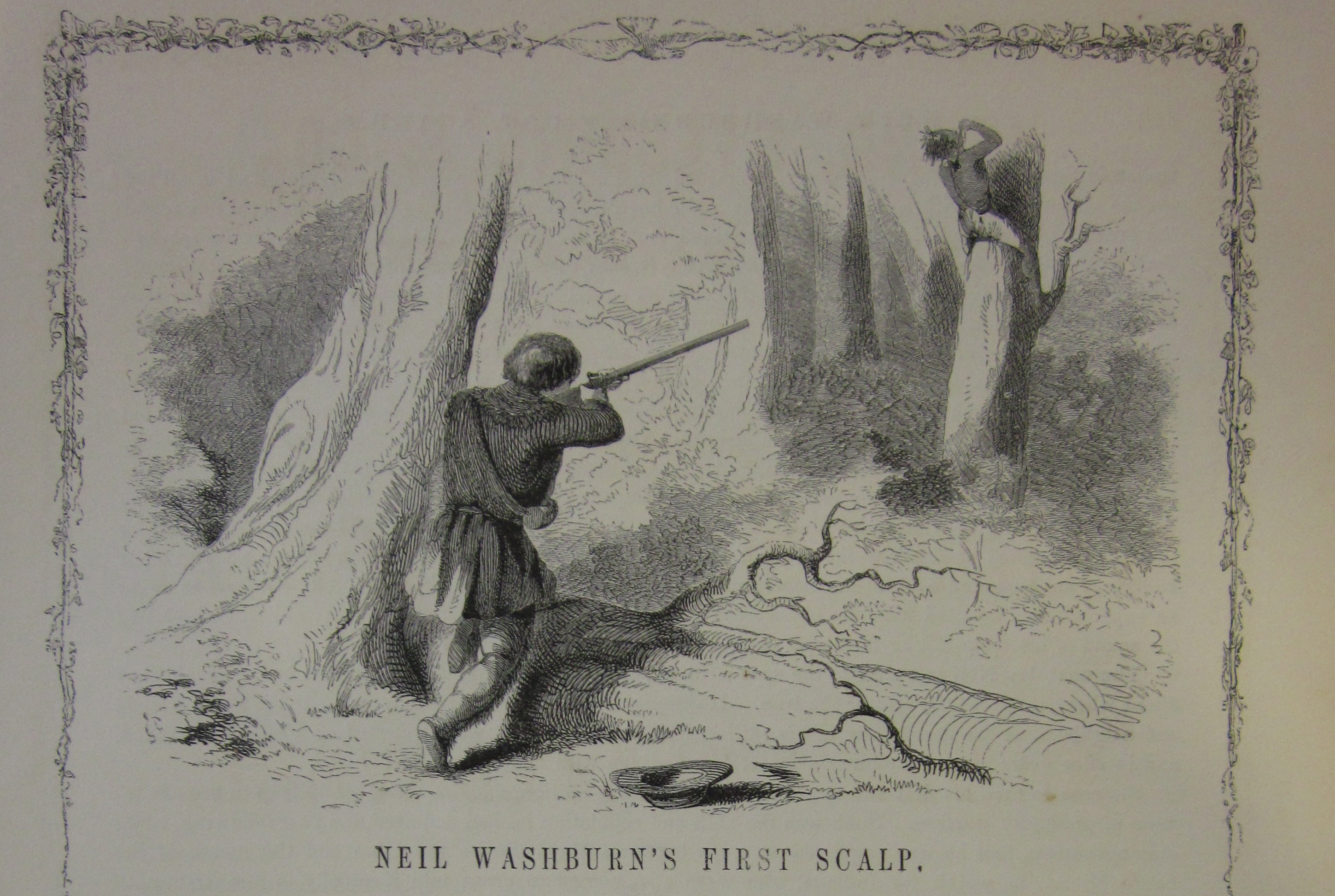 As many in the D.C. area can tell you, the Washington NFL franchise—known to thousands of its fans as the Redskins—lost each of the four games they played last month. Is it possible that players were distracted by the protests and controversy over the team’s nickname? The timing is interesting: after all, November was Native American Heritage Month. Continue reading
The Week in Early American History
 The past two weeks have been busy ones in Early American History! Continue reading
The JuntoCast, Episode 14: Popular Protest in Early America
 We’re happy to bring you the fourteenth episode of “The JuntoCast.” Continue reading
Q&A with Dane Morrison, Author of True Yankees
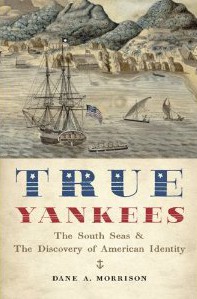
The following is an interview with Dane A. Morrison, about his recently-released book, True Yankees: The South Seas & the Discovery of American Identity (Baltimore: The Johns Hopkins University Press, 2014). Morrison is Professor of History at Salem State University (MA). Continue reading
Welcoming The Junto‘s Newest Member
 We’re very pleased to announce yet another addition to The Junto and to welcome Hannah Bailey as our newest contributor. Continue reading
A Junto Birthday Party: Whitefield at 300 Roundtable
Today’s guest poster, Thomas S. Kidd, is professor of history at Baylor University and the author, most recently, of George Whitefield: America’s Spiritual Founding Father (New Haven: Yale University Press, 2014).
A Long Afterlife (Jessica Parr)
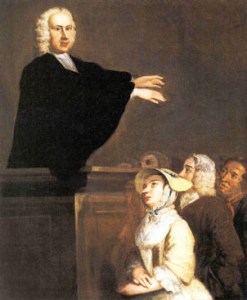 Those familiar with the first great awakening will undoubtedly recognize George Whitefield as a key figure of eighteenth century evangelical culture in Britain and its American colonies. Like many associated with the Methodist movement in Whitefield’s time, the prolific preacher and publisher saw himself as an Anglican in discussion with the Church of England about reform and an allowance for a broader religious experience. However, his theology, the new birth doctrine, the gathered church, etc., all alienated Whitefield from the Anglican hierarchy within the first few years of his missionary career.
Guest Post: Strange Constitutional Bedfellows: The First and Third Amendments in the Mormon Quest for Religious Liberty
Today’s guest post comes from Spencer W. McBride, who has blogged with us before. Dr. McBride received his PhD at Louisiana State University in 2014 and is now a historian and documentary editor at the Joseph Smith Papers. His research examines the politicization of clergymen during the American Revolution and in the early American republic.
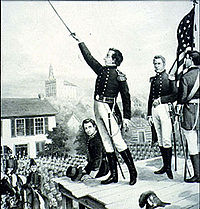 Of the ten amendments that comprise the United States Bill of Rights, the third amendment is arguably the least controversial. Go ahead, think back to your high school civics class and try to remember what rights are protected by the third amendment. Can’t remember? Don’t feel too bad. It is rarely invoked by politicians and political activists, it does not often spark heated debates in the media, and the U.S. Supreme Court has never heard a case in which it was the primary basis. Let’s face it, since the adoption of the first ten amendments to the Constitution, Americans have not been overly concerned that the government will quarter troops in the homes of private citizens without their consent. Continue reading
Q&A with Kyle T. Bulthuis, Author of Four Steeples over the City Streets
 The following is an interview with Kyle Bulthuis, an assistant professor of history at Utah State University. Jonathan Wilson’s review of Kyle’s recently-released book, Four Steeples over the City Streets: Religion and Society in New York’s Early Republic Congregations, appeared on the blog yesterday. Kyle agreed to sit down and answer a few follow up questions about the book and his future research plans, which we are happy to post today. Continue reading
Review: Kyle T. Bulthuis, Four Steeples over the City Streets
Kyle T. Bulthuis, Four Steeples over the City Streets: Religion and Society in New York’s Early Republic Congregations. New York: New York University Press, 2014.
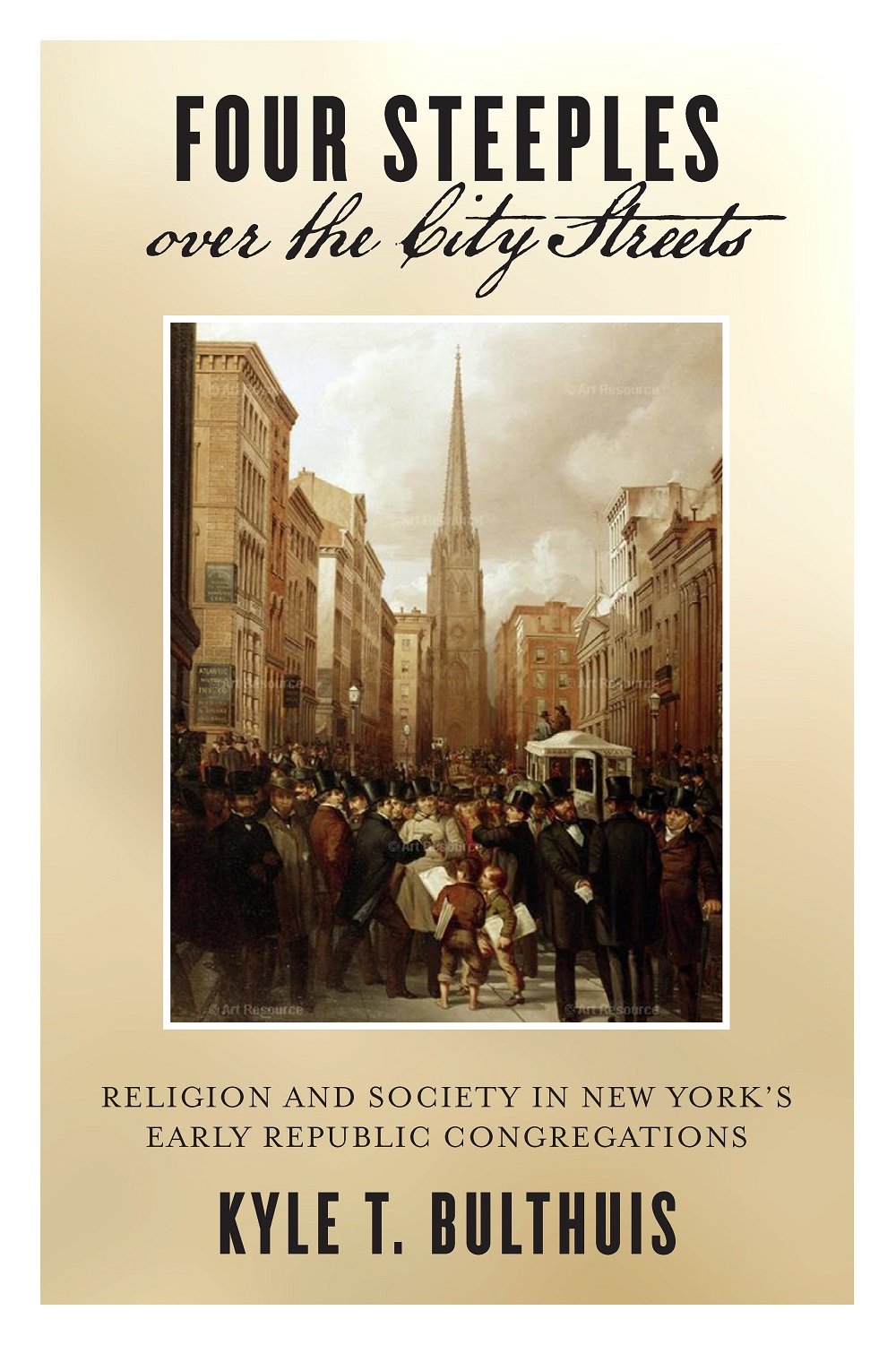 In many respects, Four Steeples over the City Streets is a story about different ways of being Anglican in New York City. It’s also a story about how external social changes influenced and threatened a vision of social order without destroying it. And it’s a story about how different kinds of New Yorkers in the early republic–black and white and male and female–experienced their community in religious terms. Continue reading
 The Junto