 As a historian of piracy, I suppose it was inevitable that my research summaries would end up reading like bad monologues for a late night comedy act. Like this tidbit from the Archivo General de Indias in Sevilla: “1618 four Frenchmen appeared before the governor of Santo Domingo accused of piracy by the Spanish patrolmen who caught them on the island’s coast. The governor interrogates the four men through a translator. One of the men admits that, to survive, they occasionally went pirating on the high seas, but that they never stole anything from the Spanish. The governor then asks him where they got their ship, to which the men admit that they may have stolen one thing from the Spanish.” Ba dum tsshhh, cue the rimshot and laughter from my friends as I relate the story over beers later that evening. Continue reading
Author Archives: Casey Schmitt
The Global and the Hemispheric
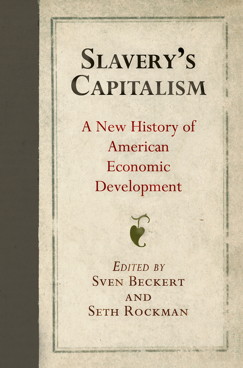 In their introduction to Slavery’s Capitalism, Sven Beckert and Seth Rockman write that the accumulation of scholarship about early American economic development necessitates “a fundamental rethinking of American history itself” (2). And, for someone who works on the seventeenth-century Caribbean, those words nonetheless resonated with debates very current in my own field of research. In 2011 – the same year that the conference that resulted in Slavery’s Capitalism was held – Latin Americanist John Tutino declared that, “We face a fundamental rethinking of the rise of capitalism” in response to the work of individuals like Dennis Flynn, Arturo Giráldez, and Kenneth Pomeranz. For Tutino, a global perspective on the development of capitalism amends the “enduring presumptions … that capitalism was Europe’s gift to the world,” and “historically antithetical” to places like Spanish America and the Caribbean.[1] Beckert and Rockman recognize in their description of Dale Tomich’s “Second Slavery” the importance of new scholarship in “weaving together transnational and imperial frameworks, the history of capitalism, and the study of slavery as a profit-seeking enterprise” (11). Continue reading
The Continental Toehold Dilemma
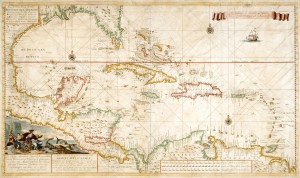
“The heart of the English Empire in the seventeenth-century Americas was Barbados,” according to Justin Roberts in his recent William and Mary Quarterly article.[1] That claim is perhaps not surprising—Richard Dunn established the social and economic importance of the island over thirty years ago in his seminal work, Sugar and Slaves. However, Roberts takes that point further by exploring the political ramifications of all of that Barbadian wealth in the West Indies. His article also speaks to a larger sea change in the historiography of the seventeenth-century Caribbean. Continue reading
Love Letters and the Digital Turn
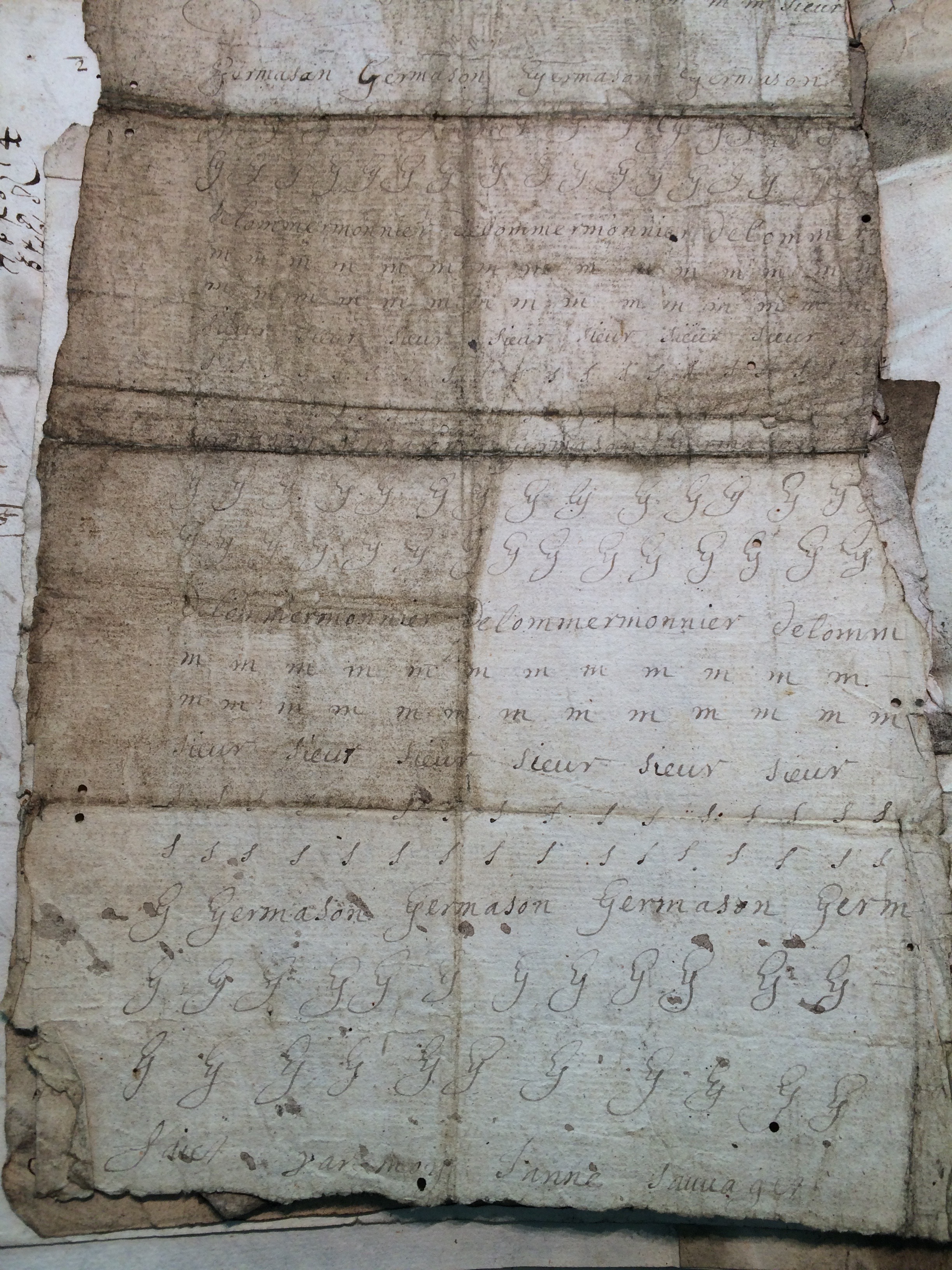 There should be no need to mention in a blog about early American history that the digital turn is, perhaps, a fait accompli. However, over the past couple of years more and more articles have called into question the ways in which access to digital archives and digitized sources has changed both the questions historians ask and the kinds of research we do. Of this surge in publications, Lara Putnam’s recent AHR article stands out as a kind of canary-in-the-coal-mine warning to both graduate students and established professionals. Putnam, professor of history at the University of Pittsburgh, calls on all of us to have an “extensive discussion of digitization,” thereby pulling our research approaches out of, “the realm of invisible methods, the black box where by consensus we leave so much of our discipline’s heavy lifting.”[1] For Putnam and others, the digital turn remains full of pitfalls that deserve our serious consideration. Continue reading
Guest Post: More Atlantic Archives
Today, The Junto concludes its series on “Archives around the Atlantic” with a guest post from Patrick Johnson about working in the General Archive of Mexico. Patrick Johnson is a PhD candidate in Anthropology at William and Mary, you can read about research and fieldwork from him and other anthropologists at their new blog.
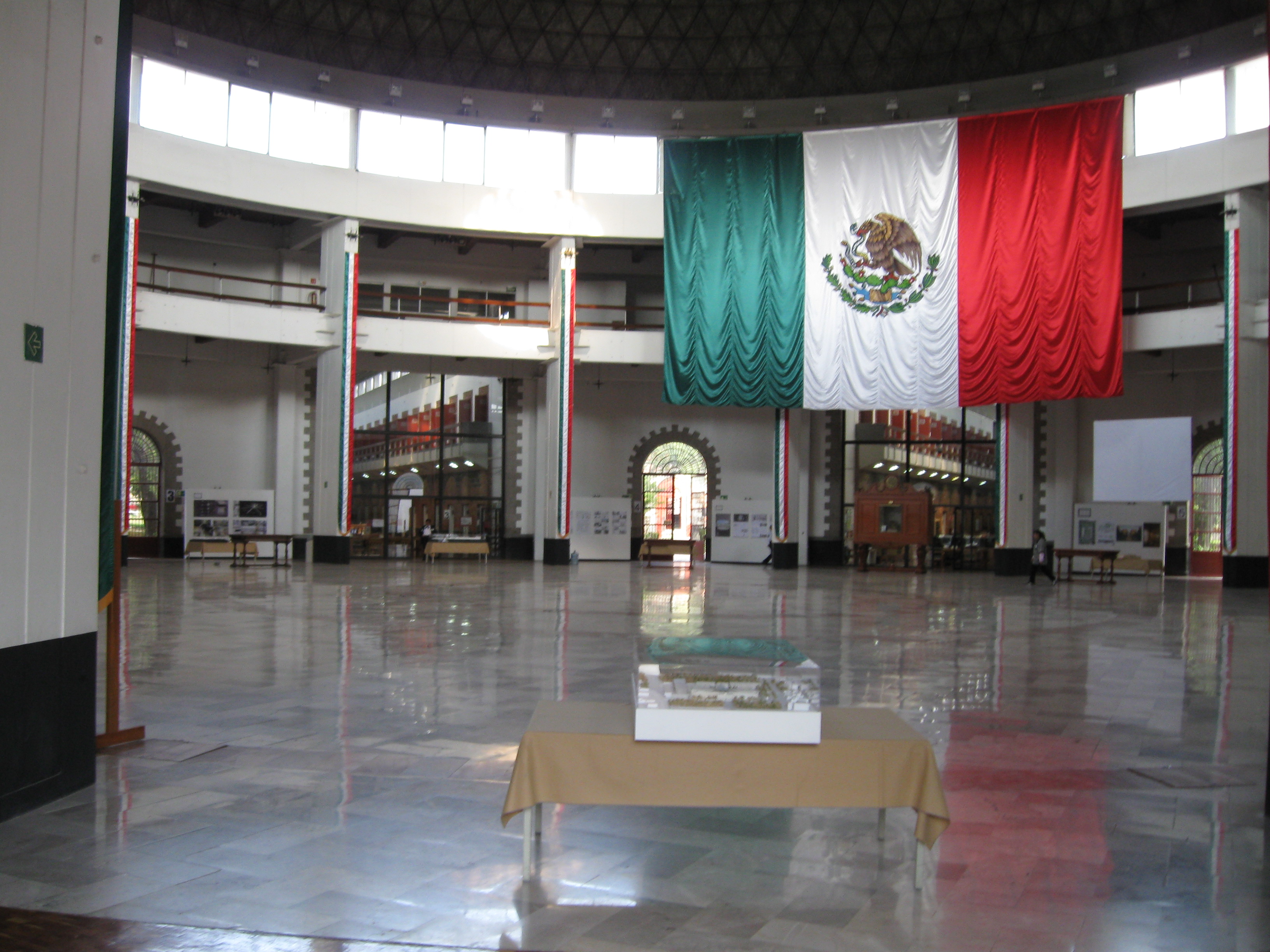 Great posts at The Junto about archival work in Spain, France, England, Jamaica, and the United States got me thinking about my own archival work in 2010 in Mexico City. And, while the Archive of the Indies receives well-deserved attention from historians, Spanish archives in Mexico and collections in the US remain underutilized for understanding not only territories occupied by the Spanish but also colonialism in the present-day United States. Continue reading
Early America in Español
This week, The Junto will explore, “Archives around the Atlantic.” As research projects frequently plunge early Americanists into far-flung archival settings, over the course of the next five days we will draw from the wide experience of our contributing editors to offer advice for approaching research abroad. It is our hope that this forum and the comments sections below might also tap into the collective expertise of The Junto readership with the common goal of making foreign archives accessible and productive.
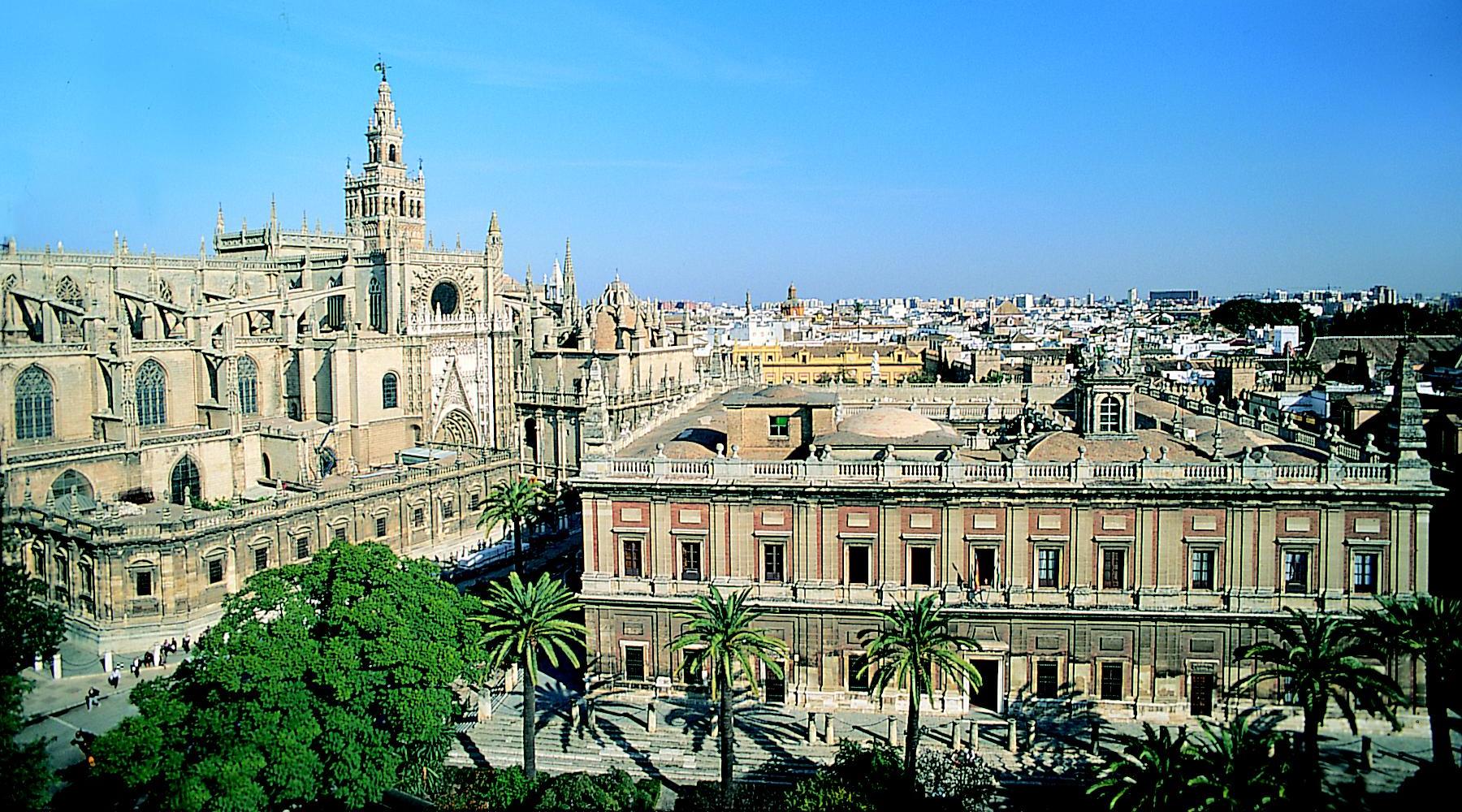 While the Archivo General de Indias in Sevilla remains the primary destination for scholars working on projects relating the Spain’s colonial empire, the collections infrequently receive the attention they deserve from historians north of the Río Grande. This, despite Kristen Block and Jenny Shaw’s proclamation that, “colonial records in the Spanish archives reveal a wealth of reportage” about moments in early American history for which few extant documents remain elsewhere.[1] In fact, Block and Shaw’s 2011 article, “Subjects without an Empire: The Irish in the Early Modern Caribbean,” forces a reconsideration of the contours of Anglo-Irish relations in the early Caribbean by reading Spanish and English language documents side-by-side. Uncovering the lived experience of Don Juan Morfa—an Irish translator for the governor of Santo Domingo and linchpin in the defense of the island against Cromwell’s Western Design—depended on reading documents housed in the AGI. Continue reading
It Ain’t Over Till It’s Over

The greatest baseball players fail to get on base the vast majority of their at-bats. In fact, Daniel Murphy—second baseman for the Washington Nationals—currently holds the title for the highest batting average this season at .411. To many, that batting average justifies the $37.5 million, three-year contract the Nationals just signed with Murphy. That’s $37.5 million for failing six out of ten at-bats. To be fair, when he does make contact with a pitch, he usually scores runs and contributes to the Nationals top standing in the National League East. Continue reading
Guest Post: How We Love to Hate Puritan New England
Guest poster Mark Mulligan is a graduate student in history at the College of William and Mary. His research interests include American religious history, the history of the British Atlantic, and colonial New England history. This post also contains some mild plot spoilers.

It appears that as an early Americanist and a horror fan, I am in good company. News of the push back of a sequel to The Ring franchise from April to October recently devastated me. Admittedly, a Halloween release will fare better at the box office, but Paramount Pictures turned my comps carrot into a prospectus carrot.[1] But the genre offered compensation in the form of a horror film that takes place in seventeenth-century New England, where I intend to locate my dissertation. As such, I am delighted that the Junto invited a conversation on the film The Witch. Continue reading
Can Class Participation Be Taught?


Class participation has bothered me since I graded a set of midterm exams from my first solo-taught course. As I sat down to read through those signature blue books, I felt anxious about how my students would perform. Had they learned anything? Did the lectures thus far sink in at all? To gauge the potential quality of the exams, I scanned through some of the responses of my “better” students and felt fairly confident grading the rest.
At the end of the stack, however, I came across an exam that has stuck with me. The student in question had me worried all semester. Not only did this student refuse to participate in class discussions but she frequently looked irritated whenever I asked the class a question that wasn’t rhetorical. Continue reading
Guest Post: Remembering Ethan Schmidt
Today The Junto welcomes a guest post from Kathryn Snyder who is currently a PhD Candidate at the College of William and Mary. Before starting on her PhD studies, Snyder obtained an MA in history at Texas Tech University where she studied with Ethan Schmidt.
 As a 20 year-old junior at Texas Tech, I had no plans to pursue a postgraduate degree in history. A single semester in Dr. Ethan Schmidt’s class on the Atlantic World changed that. He had an enthusiasm and dramatic flair during lecture that came from his love of colonial history and a background in a musical theater troupe he joined during his childhood in small-town Peabody, Kansas. After beginning every class with eighteenth-century folk music and drinking songs, he launched into topics ranging from the lives of women in Virginia to the epic clash of empires on the high seas, making them all equally compelling and important. He convinced me to apply to Tech’s graduate program, helped me win a fellowship, and remained a steadfast, involved advisor for the next two and a half years. One of his greatest talents lay in making his students feel more like equals. For Ethan, everyone who took his classes was an historian. So, it is with pain that I write this tribute, knowing it should be another recommendation for a teaching award. Continue reading
 The Junto