This week The Junto is co-sponsoring, “The Ideological Origins of the American Revolution at 50,” a weeklong roundtable on Bernard Bailyn’s seminal work with the Society for U.S. Intellectual History (S-USIH) blog. Each of the five posts will appear on both blogs concurrently. For readers unfamiliar with the book (or looking for a refresher), please see Episode 12 of The JuntoCast.

Throughout the winter of 2016-17, I helped organize “Ideological Origins at 50,” a conference jointly sponsored by the USC-EMSI and Yale’s CHESS to honor the fiftieth anniversary of the publication of Bernard Bailyn’s seminal work, The Ideological Origins of the American Revolution. The conference papers, presentations, and discussion were quite lively, as was Bailyn himself who delivered a 75-minute talk on the opening evening. Since then, other tributes to the book and its long-term influence and impact have appeared online. However, all of these have had one thing in common; they have been almost solely the product of senior historians who perceptively discussed the book’s long-term impact and the debates that surrounded it, both around its publication and in the immediate decades afterward. This Junto roundtable, “The Ideological Origins of the American Revolution at 50″ (#IOTAR50), aims to offer junior scholars a chance to reflect on this book’s impact on them and, by extension, its continuing significance and influence on the newest generation of early American historians. After all, perhaps the most impressive achievement of Ideological Origins is that fifty years after its publication it is still being read, assigned, and reckoned with by a new generation of scholars. Therefore, rather than rehashing what the book meant when it was published or what it has meant to historians living with it for decades, this roundtable is dedicated to exploring what the book means now. Continue reading
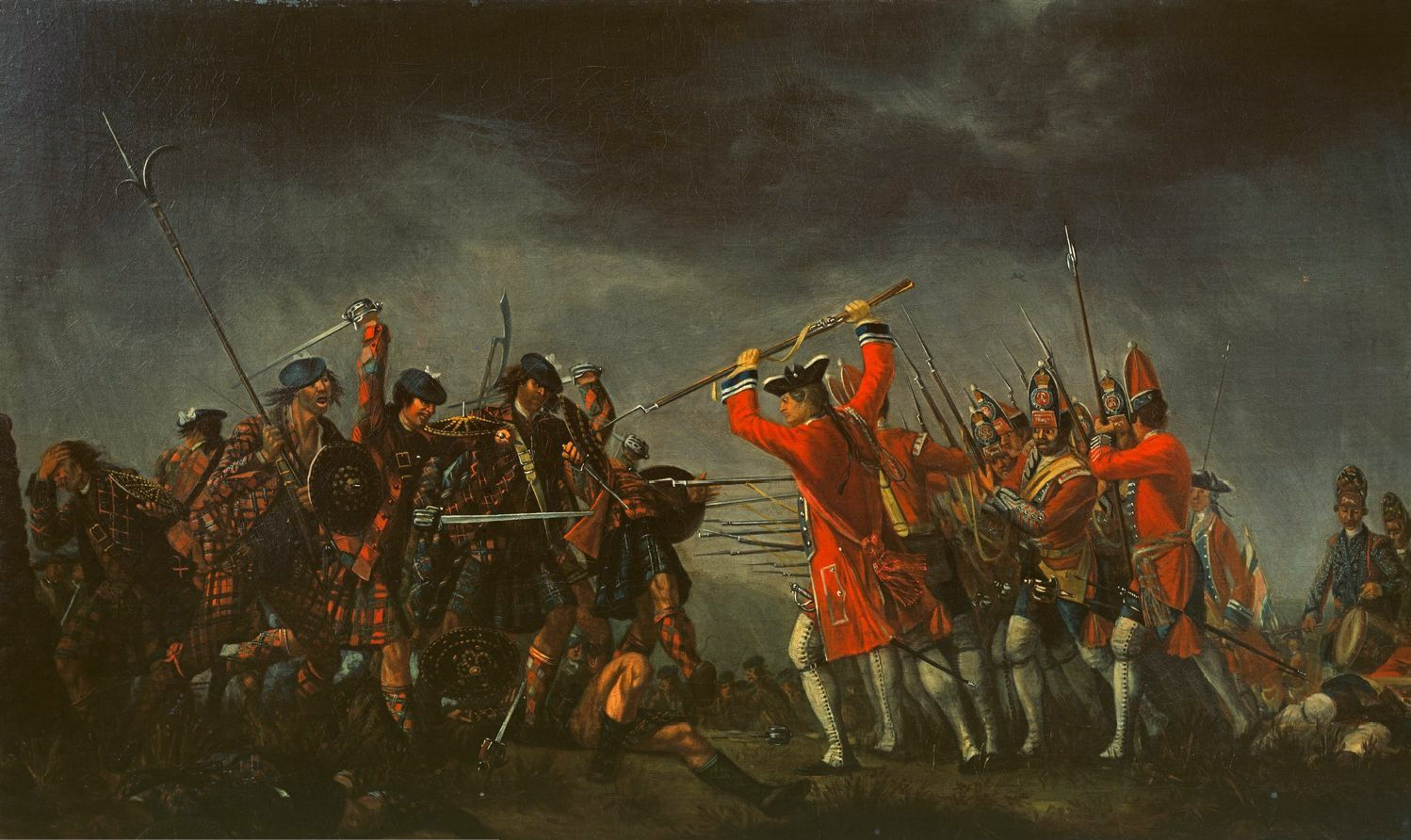


 On December 8, 1747, Gov. George Clinton (1686–1761) told a British statesman that the Assembly of New York “treated the person of the Governor with such contempt of his authority & such disrespect to the noble family where he had his birth that must be of most pernicious example.” He thought he might have to “give it [i.e., his position] up to a Faction.” The extant copy of this letter, held within Clinton’s
 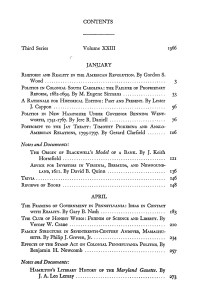 1966 was a transformative year in popular music. The Beatles released Revolver; Dylan put out Blonde on Blonde; and the Beach Boys dropped Pet Sounds. Even fifty years later, those three albums sit atop many respectable lists of the best all time albums. 1966 was also a transformative year in early American history. Fifty years later, it gets my vote for one of the top 5 most historiographically innovative years the field ever had.
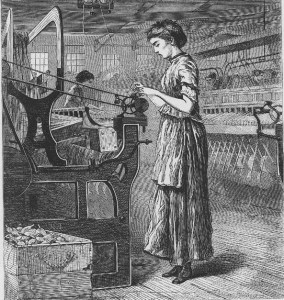 One of the best questions a historian can ask is, “what am I missing?” Whatever you’re investigating, and whatever stage you’re at, it’s always worth your while to step back and look around. If you’ve been focusing on something, using a particular lens, it can be pretty hard to pan out. That’s where setting aside time for more eclectic reading really helps—journals and blogs are convenient ways to keep your field of vision broad. Sometimes, they can give you a kick. That’s how I felt about the forum on women’s history in this summer’s issue of the Journal of the Early Republic.[1]
 The Junto