 Conclusions are hard, I find, and no less so in teaching than in writing. Both at the end of a book and at the end of a course, really great endings add a bit of spice—something just new or unexpected enough to cast what’s come before in a different light, something that makes it exciting to reflect back across the material you’ve just learned.
I aim for student-driven discussions, and at semester’s end in previous seminars and discussion sections, I’ve struggled to coax students into producing the final chord that resonates in all registers of a course’s architecture. I’ve had students free-write (and then discuss) to summarize, as succinctly as possible, the change over time they’ve learned about in the course, and I’ve asked students to identify what one idea from the class they hope they’ll remember forty years from now. Both exercises have produced good-enough results. But since they didn’t ask students to see the courses’ material anew in any way, I’ve found myself wanting more.
But my students’ final discussion this semester was so invigorating that I just had to write a blog post about it. Continue reading

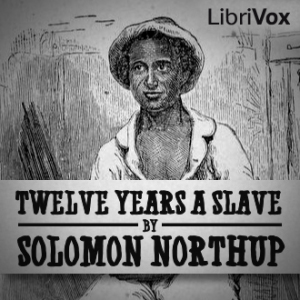 As a newly-minted ABD embarking on my first stab at teaching the early American history survey, I find myself buried beneath my own excitement for the material. No one warned me that the biggest obstacle to designing a course would be curbing my own unrelenting enthusiasm. Perhaps no part of that enthusiasm has proven more damaging to my syllabus than my passion for storytelling. Specifically, I approached teaching the early America survey with a litany of historical works of fiction and non-fiction that I wanted to familiarize undergraduates with: 12 Years a Slave, Benito Cereno, Poor Richard’s Almanac, Letters From an American Farmer, among many, many other titles. Before too long I was looking at a weekly reading word count over 150 pages. Yikes.

 The Junto