
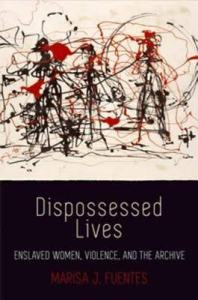
 It should go without saying that the historical profession depends on archives. Near or far, we need those repositories to craft historical narratives about past worlds. There is also no shortage of books and articles critical of the construction of colonial archives, perhaps the most famous among them being historian Ann Laura Stoler’s Along the Archival Grain. Despite the popularity of that book, however, historians still rarely discuss their archival methodology. Monographs always provide a list of consulted repositories, which for early American history can often read like a top ten greatest hits of national and state archives. And yet, try looking for the word “archive” or “archival knowledge” in the index of most books and the result might be surprising. Continue reading
 As an agent and historian, I’m here to explain the process of finding an agent. Don’t worry—you can do this!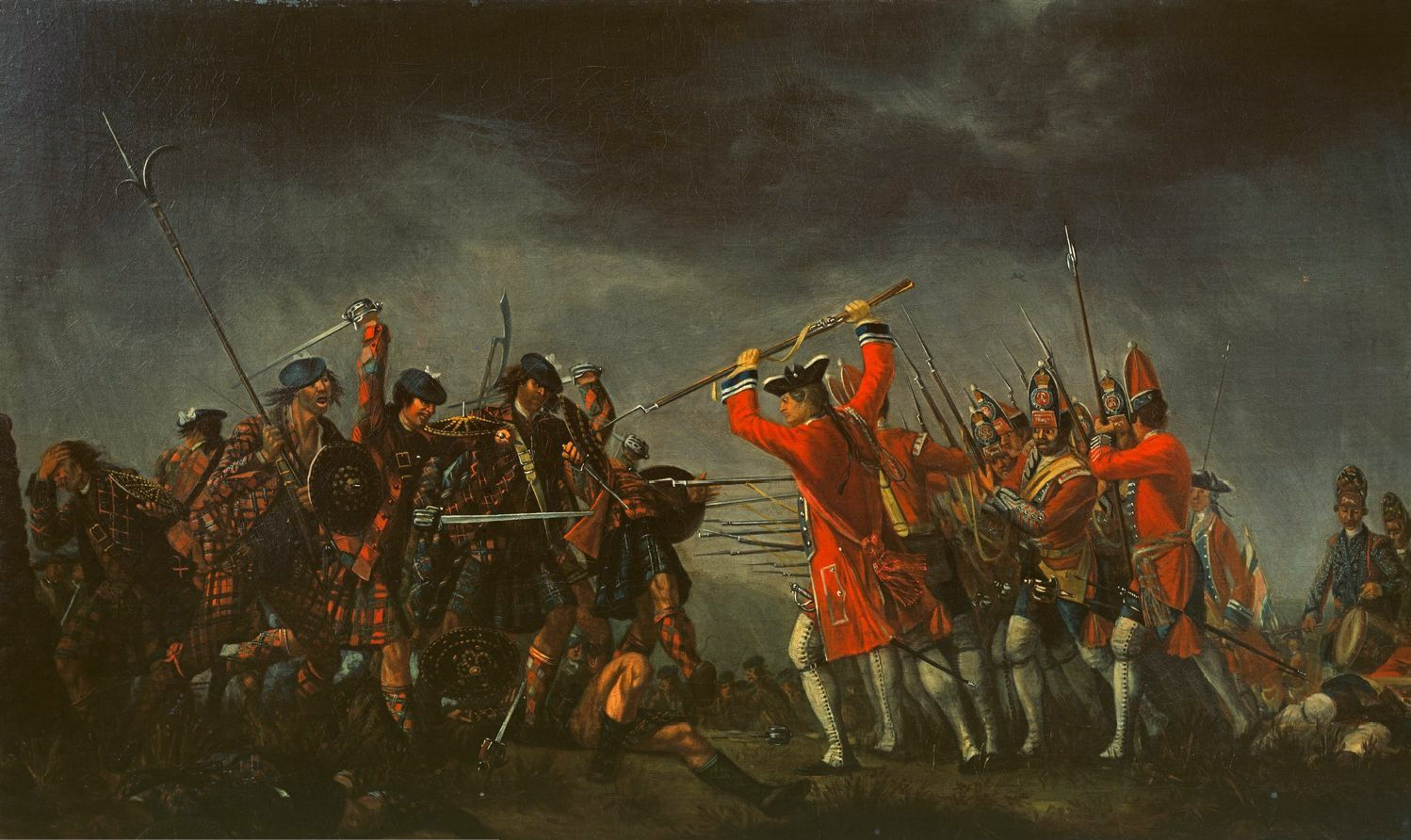
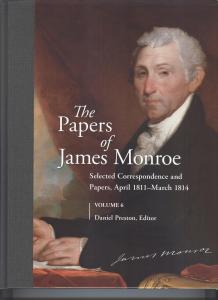 The latest volume of
 After a total of 8,175 votes cast, we are pleased to announce that the winner of Junto March Madness 2017 is…
 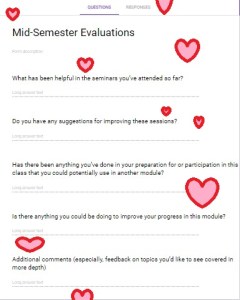 Well team, I’ve made it to Easter Break after my first post-sabbatical return to teaching, and if my silence on the blog has been any indication, it’s been busy. The sabbatical was obviously good for thinking about research and book stuff, but what I hadn’t anticipated was that the end of my sabbatical would also push me to reassess the ways that I teach. More specifically, it prompted a reexamination of the preparatory work that I do before seminars, and raised questions about the relationship between the amount of time I spend prepping and the extent to which my students benefit from my prep. Lately, I’ve been doing less prep myself and using various types of Google tools—Docs, Forms, and Sheets, mostly—to make students more responsible for their learning. Here’s how and why:
  The Junto