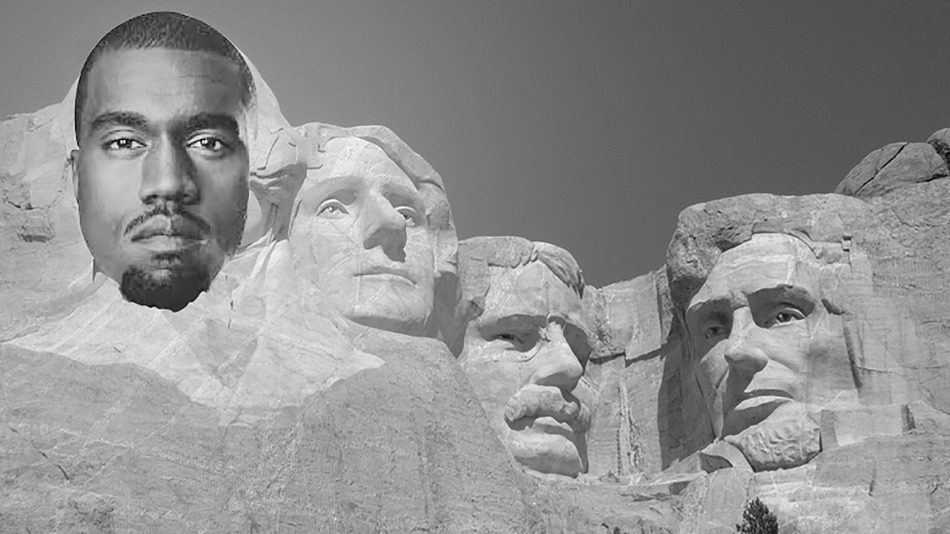
President Kanye West may never become a reality, but I’d like to think he’d choose a Secretary of Education who’d endorsed creative pedagogy.
Kanye West’s presidential ambitions remind us that American history is full of fun surprises—even if most of them are short-lived and forgettable. Although it’s probably too much of a stretch to make the entertainment of #Kanye2020 relevant to American history—though Donald Trump’s candidacy perhaps proves that nothing is outside the realm of possibility—I do love to find pop culture references and videos and bring relevance to what students might see as staid topics.
I’m declaring this post a judgment-free zone so that I can be frank: I have a tough time keeping the attention of the freshmen students in my undergraduate survey class. But I have found that one thing that works well is video clips, and so I find myself drawing from youtube nearly as much as I do from powerpoint. Luckily, I’m a TV-show junkie, and so I have have a lot of background at my disposal. (Finally a way to justify my Netflix binges!) Indeed, my use of videos in class is one of the constant positives in my students’ evaluations, so I know it’s not just me who enjoys this approach. Continue reading
 Yesterday, Chris Minty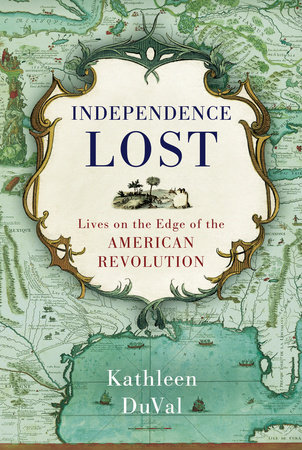



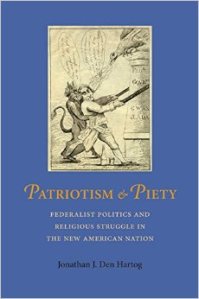 Religion was an “engine of politics” in the early American republic. Jonathan Den Hartog explains how religion energized (and then, ironically, diverted energy from) Federalist politics, and how the national vision of Federalists changed American religion. He considers northern evangelical Federalists such as John Jay (and his two sons), Caleb Strong, and Elias Boudinot, Unitarian Federalists including John Adams, and Federalists with a southern accent, Henry De Saussure and Charles Pinckney. These individuals are located, through impressive archival research, in a web of interpersonal relationships.
  The Junto