Stephen R. Berry, A Path in the Mighty Waters: Shipboard Life in Atlantic Crossings to the New World. New Haven: Yale University Press, 2015.
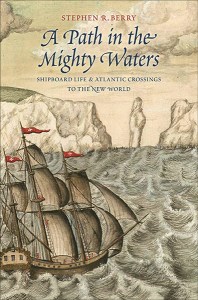 When colonial Georgia was founded in 1732, it carved out a brand new space in the New World. The founders’ intentions were in part for it to serve as a charitable colony, where Britons from overcrowded debtor’s prisons could start anew. It also carved out an English space to serve as a geographic barrier between wealthy South Carolina and rival Spanish Florida. But, as Stephen R. Berry demonstrates in this highly original new study, colonies were not the only spaces that were created and negotiated as the Atlantic World expanded. The ocean, and indeed the ships that carried passengers to and from the New World should also be viewed as spaces in their own right.
 Gordon Wood riled up the #twitterstorians with a
  Here are your links this week, broken into cleverly categorized paragraphs!
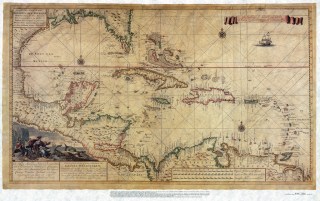
 Bernard Bailyn’s contribution to our understanding of early American history is so vast that it’s easy to forget he’s still publishing books. His writings on the American Revolution, begun in the 1960s, remain required reading for any doctoral student studying for orals. And even since retiring from Harvard a quarter century ago, he’s continued to influence the field, perhaps nowhere more than through his promotion of Atlantic history.
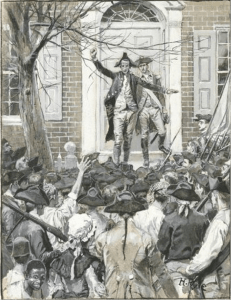 I like eye-catching book titles. Who doesn’t, right? A good title should run of the tongue without too much fuss, while also championing the main argument(s) of the book. Recent books with titles that caught my eye include Benjamin Irvin’s Clothed in Robes of Sovereignty, Jessica Roney’s Governed by a Spirit of Opposition, and Albrecht Koschnik’s “Let a Common Interest Bind Us Together.” To be sure, there are others, and they are held together by a common thread: Despite looking at different periods with different objectives, each title offers a snapshot of what the reader can expect to find.
  We’re happy to bring you the fifteenth episode of “The JuntoCast.”
 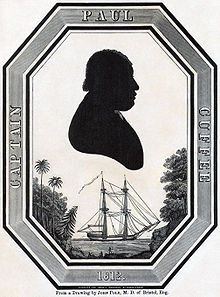 Credit cards, electronic banking, online shopping, and a host of other modern forms of commerce did not exist at the turn of the nineteenth century. Merchants throughout the Atlantic relied on reputation and good character when determining a customer’s credit worthiness. Not exactly a foolproof way to do business but seemingly less risky than our fully electronic world of money and banking in twenty-first century America. Yet, identity theft and fraud were still a part of doing business.
 The Junto