
“A Lady & Children,” 1780 mezzotint, the British Museum.
Human reproduction is simultaneously unchanged and radically different over time and across cultures. This paradox has preoccupied me for over a year as I carried and gave birth to my first child one year ago today, and as I watched my sister follow the same path soon after. Throughout my pregnancy, delivery, and now early motherhood, I’ve found myself thinking often long-dead women and pondering how vastly different our experiences of the same condition must be.
Pregnancy and birth generate intense feelings. Most parents experience joy, hope, and fear. As a historian, I regularly identify with the women I encounter in the archive. The empathy born of our shared biological and emotional experiences generated two additional emotions that most new parents may not: gratitude, on the one hand, and anger on the other. Continue reading
 As we continue to learn more about the seizure and internment of migrant infants and children, both along the U.S.-Mexico border and in ICE raids throughout the nation, historians have asked us to wrestle with our
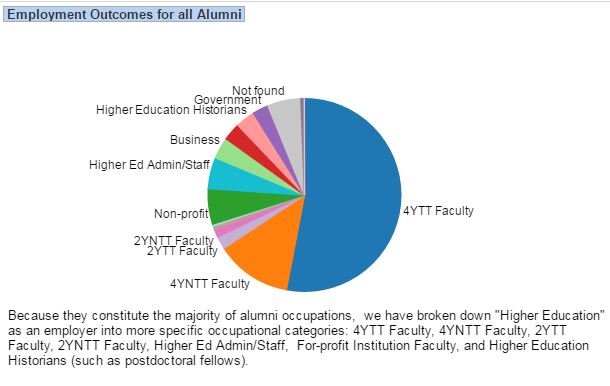
 In February 2017, The Junto sent out a call to historians working outside the professoriate to join us in a conversation about career diversity for early American history PhDs.
 in early American history/literature/architectural history/art history/etc. or a related field, and have you chosen a career outside of the professoriate? The Junto wants to hear from you! There’s still time to participate in our conversation, “Where Historians Work: A View from Early America.”

 The Junto