Carl Robert Keyes is a newly tenured Associate Professor of History at Assumption College in Worcester, Massachusetts. He is currently working on a book about advertising practices and consumer culture in eighteenth-century Philadelphia. An earlier version was delivered at the induction ceremony for the Phi Alpha Theta chapter at Framingham State University in April, 2014.
 Earlier this month I finished teaching my first public history course. I’ve long been concerned about how professional historians, especially academic historians, (often don’t) communicate with the public and, in turn, the general public’s misunderstanding of the historian’s craft. Teaching a public history course made these apprehensions central to my work in the classroom. My students and I grappled with a different kind of historiography, a less formal historiography consisting of public opinion, incomplete recollections of elementary and secondary history education, and a “master narrative” that usually dominates stories of the American past told by many public figures, a narrative steeped in patriotism, heritage, and commemoration. More than ever, I found myself challenging my students (in all my classes, not just the public history course) to take a three-part approach in their studies: learn about the past, learn about how professional historians have interpreted the past, and learn about how the general public understands the past. This became yet another way to demonstrate that course content has relevance outside the classroom and beyond the semester.
Continue reading →
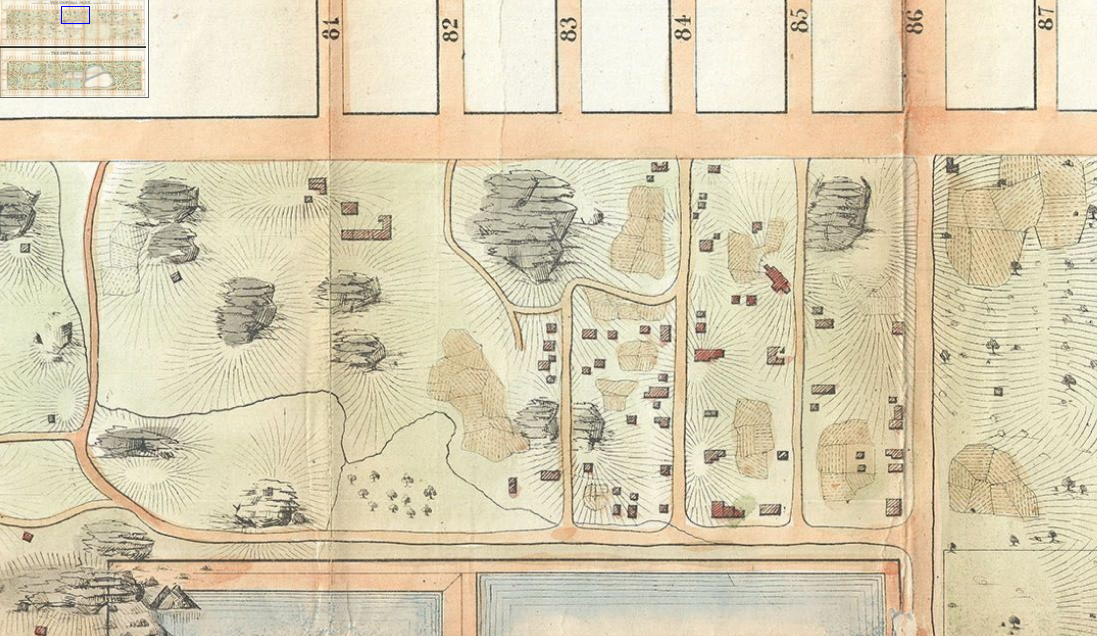
 We hope you will forgive the spottiness of TWEAH recently, but it is likely to be a regular occurrence during the summer months. Nevertheless, here are some links for you this Independence Day holiday weekend…
 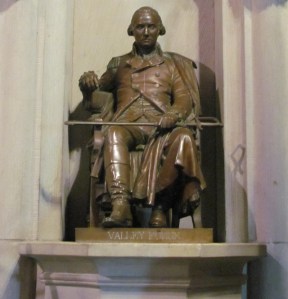 Over the last few days, I’ve joined tours of several historic sites around Philadelphia. It’s common for me to visit historic sites, of course, but these tours are different.
 In honor of President’s Day, this month’s episode features Ken Owen, Michael Hattem, and Roy Rogers discussing issues related to the development of the Presidency in the early republic, including the initial defining of the office by Federalists and John Adams’ and Thomas Jefferson’s challenges in navigating that office, as well as the role of the Presidency in public memory.
 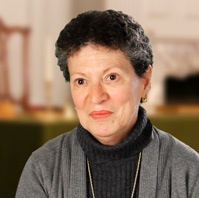 Carol Berkin is Presidential Professor Emerita at Baruch College and the CUNY Graduate Center. She received her bachelor’s degree at Barnard College. In 1972, she received her PhD at Columbia University, where she also worked on the Papers of John Jay and Alexander Hamilton. Her dissertation on Jonathan Sewall won the Bancroft Award for Outstanding Dissertation and the subsequent book,
 Happy weekend, all…to the links!
  The Junto