Or how to make a causal argument about print, media, and communication in the eighteenth century
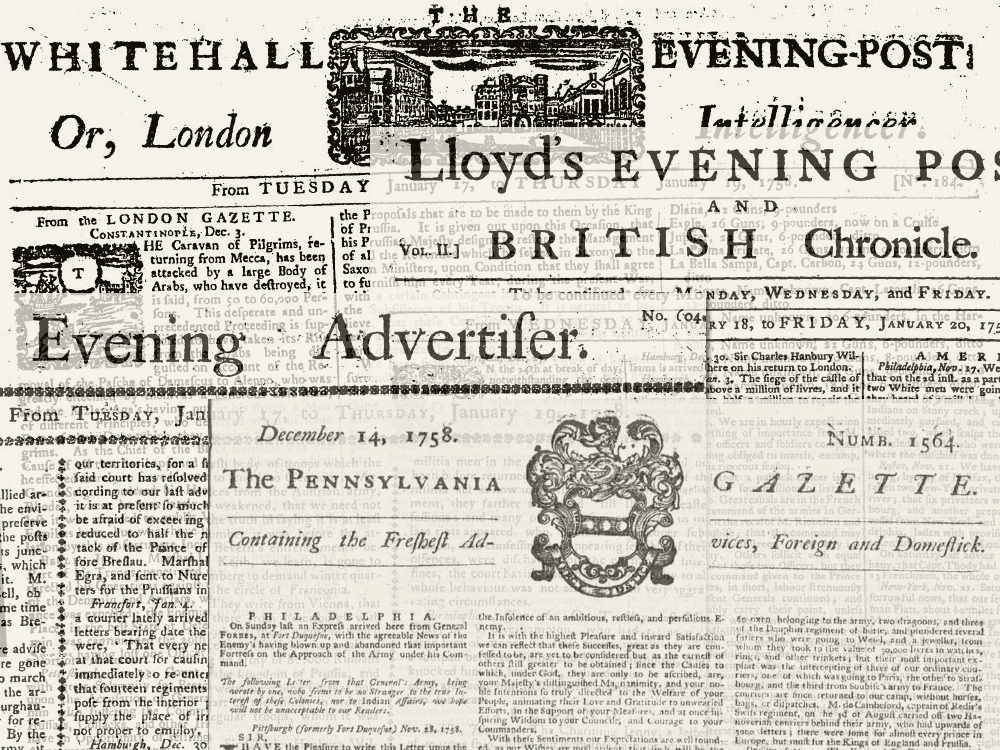 This post began as a brief response to Tom’s recent piece on the public sphere and to the conversation it generated in the comments section. As it turns out, brevity is not my strong suit, and I’ve got a few bones to pick. So all cards on the table: I’m more than a little invested in the importance of communication; I have a hard time watching print be stripped of its mechanistic or causal role; and I don’t believe we can possibly ever argue that changes in media didn’t cause social and political change.[1] Continue reading
 How did the particular formation of democratic politics, a
  In the first episode of HBO’s John Adams miniseries there’s
  Thanks to John Fea’s

 Earlier this year, the Journal of American History
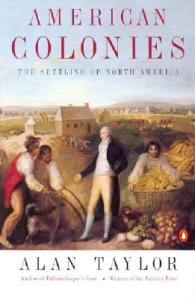 Teaching the first half of the American history survey has become a more complicated job over the last few decades. The reason is quite simple—the purview of early American historians has broadened significantly in the same period. A narrative from Jamestown to Independence to Civil War is now a narrative that begins with (or even before) the Columbian Exchange. A geographical focus that formerly considered the “thirteen colonies” almost in isolation now extends northwards to Canada, westwards to the Mississippi, southwards to the Caribbean, and across the ocean to Europe and Africa. A predominantly white, male, Protestant cast of characters has welcomed women, people of color, Native Americans, and others to its merry band.
 The Junto