 Is revolutionary Virginia the birthplace of American secularism?
My attention was returned to this critical question by a recent twitter exchange between Annette Gordon-Reed and Sam Haselby (and others) along side a recent piece by Haselby in Aeon.[1] The scuffle between Gordon-Reed and Haselby focuses on the time-is-a-flat-circle question of Thomas Jefferson’s religious beliefs. Was he a secularist? Some variant of Christian? A Unitarian? An atheist? Haselby’s Aeon piece takes a different tack, arguing that the American founding represented a “rogue wave of rationality in a centuries-long sea of Protestant evangelising, sectarianism and God-talk.” Haselby marks out the Founders—particularly Jefferson and James Madison—as “visionary secularists” who created a secular republic, which was eventually co-opt by decidedly non-secular political and cultural forces. He singles out late eighteenth-century Virginia as the primary canvas upon which the great artists of American secularism worked.[2] Continue reading
 How does a crony capitalist son of a whore, and a militarist pumped up by delusional aspirations of honor, grow up to be feted by liberal scholars? [*]

 Hip-hop is on Broadway, not just in a popular YouTube
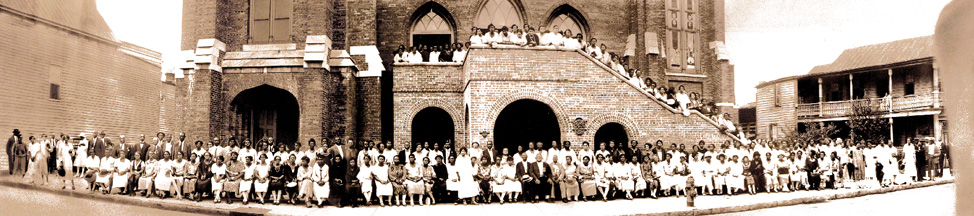
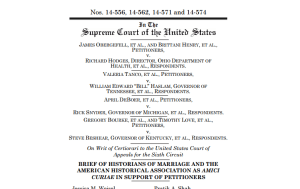 Earlier this month, the American Historical Association
  I’ve been listening to
  The Junto