Today’s post is by Taylor Spence, a Lecturer in Monash University’s School of Philosophical, Historical and International Studies and a Research Fellow with the Monash Indigenous Centre. Agricultural History will publish Dr. Spence’s next article, “The Canada Thistle: The Pestilence of North American Colonialisms and the Emergence of an Exceptionalist Identity, 1783-1839” (vol. 90, no.3), this fall. He lives in Melbourne and Brooklyn.
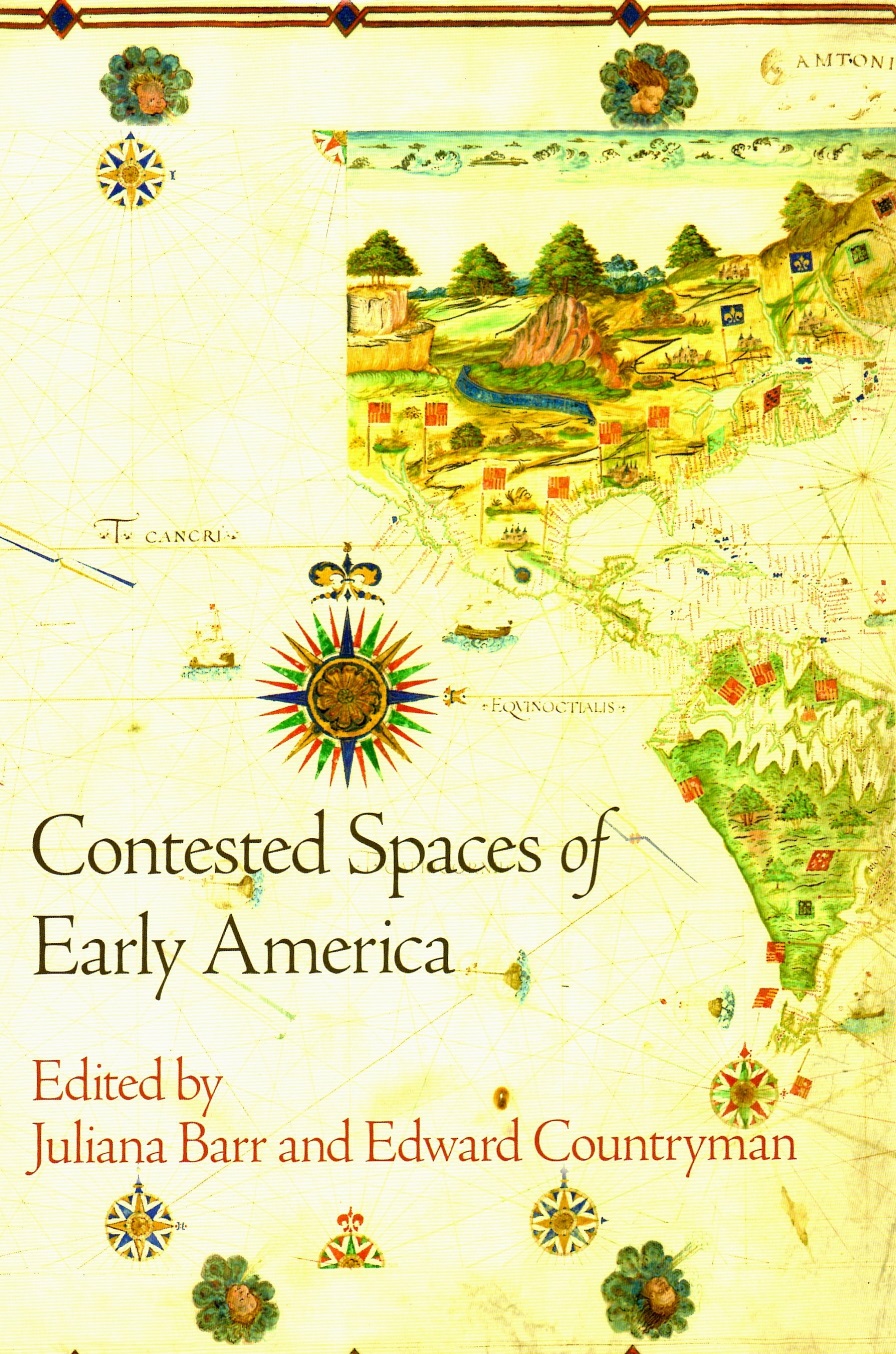
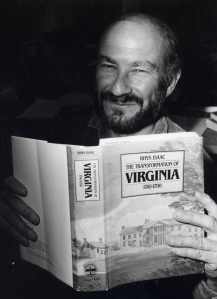 As a local representative of American Empire in Melbourne, Australia, and fifteen years after Michael McGerr and Ian Tyrrell’s spirited exchange in the pages of the American Historical Review, in which they wrestled with the potential gains and losses of a transnational American history, I thought it was time, in the spirit of Alistair Cooke, to send a “Letter to America,” checking in on the topic of American Exceptionalism and the viability of the transnational historical project in Oceania.[1] Reporting from the front lines of the outward-pression of the exceptionalist frontier, I can report that it has only partially been successful: you in the U.S. have much more work to do if you hope to bring Australians to worship at the altar of Washington, Hamilton, and Lincoln. Perhaps a touring company of Hamilton would be in order? But if, in all seriousness, the continued popularity of American history courses at my Australian university and a similar lack of popularity for Australian history courses attests to the successful mystification of a certain segment of the population, the clear-eyed work of Oceanic Early Americanists demonstrates that the U.S. metanarrative is but grist for the mill. For decades, now, these scholars have produced an unabating stream of masterful transnational studies, which are methodically eroding the exceptionalist juggernaut. Continue reading

 As both a horror nerd and an Early American historian, I have been excited about writer/direct Robert Eggers’ debut feature The Witch for quite some time. Excited might be a bit of an understatement: the first time I saw a poster in a theatre I shrieked, and I have been faithfully following the strangely endearing and decidedly bizarre Twitter of the film’s sometimes-antagonist goat,
 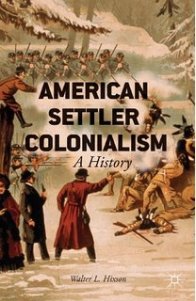 One of the trending themes in Native American history is “Settler Colonialism.” From Patrick Wolfe’s foundational essay, to recent works by historians and literary scholars—Bethel Saler, Jodi Byrd, Gregory Smithers, David Preston, and Lisa Ford, for instance—this theoretical model has attracted significant attention within the field.
 John Winthrop (1588-1649) and his son John Winthrop Jr. (1606-1676) are now known primarily as protagonists in the turbulent political history of early America. But in addition to shaping the government and theology of New England as governors of Massachusetts Bay and Connecticut (respectively), they and the rest of the Winthrop family also participated in a transatlantic and inter-generational bookish culture. Long before the Arbella sailed to Boston in 1630 to build a “city upon a hill”, generations of Winthrops began to talk about books, ways to read them and, as we will illustrate here, the difficulties and contingencies of collecting them—on both sides of the Atlantic.
 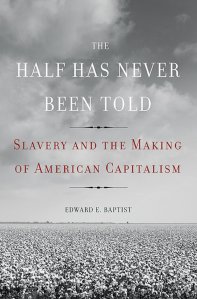 How was an immense increase in the “efficiency” of cotton production achieved in the nineteenth century? The question cuts to the heart of the debates over the history of U.S. slavery.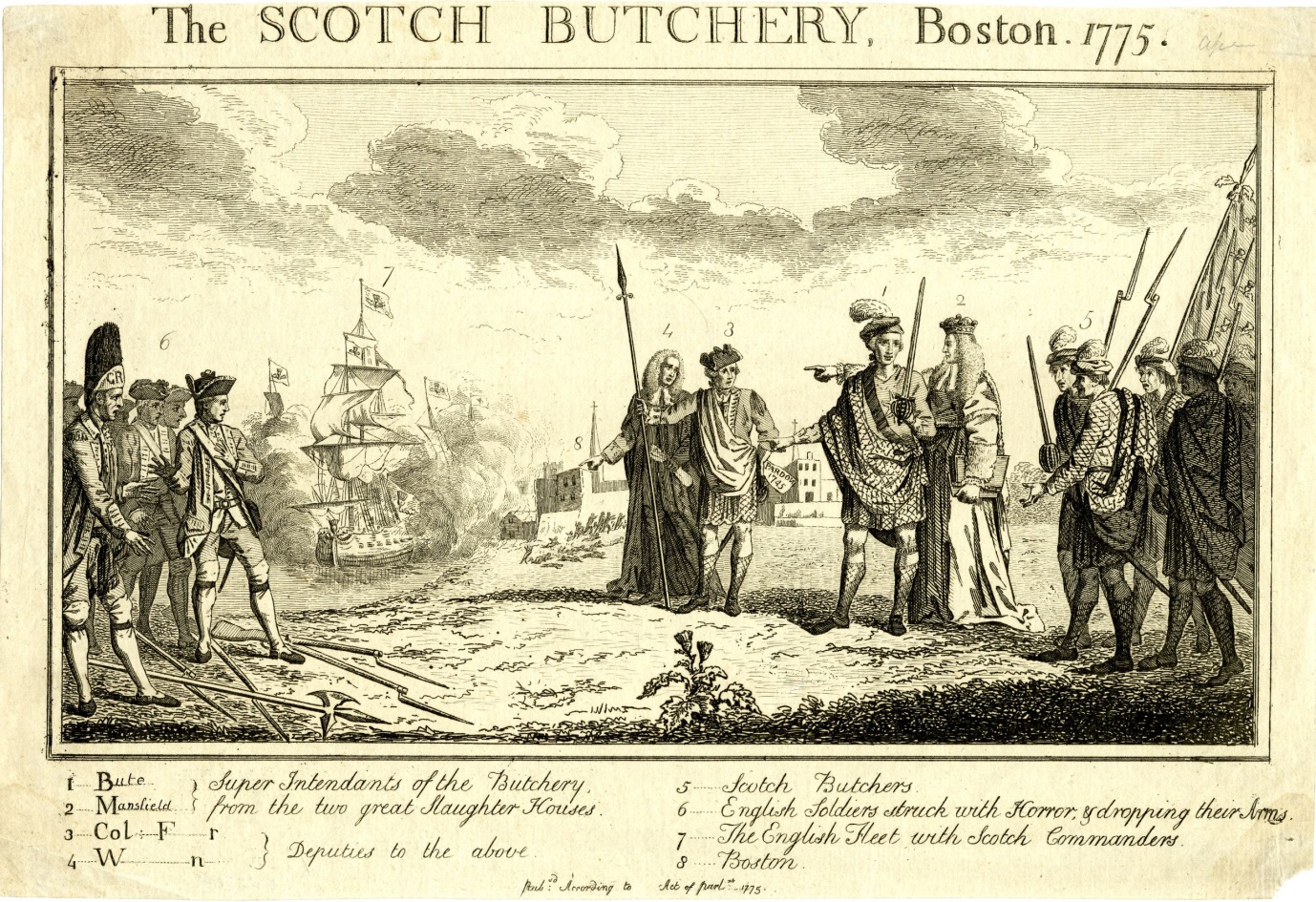
 The Junto