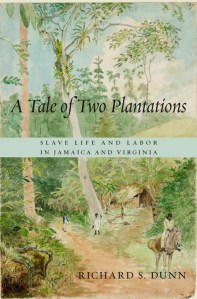
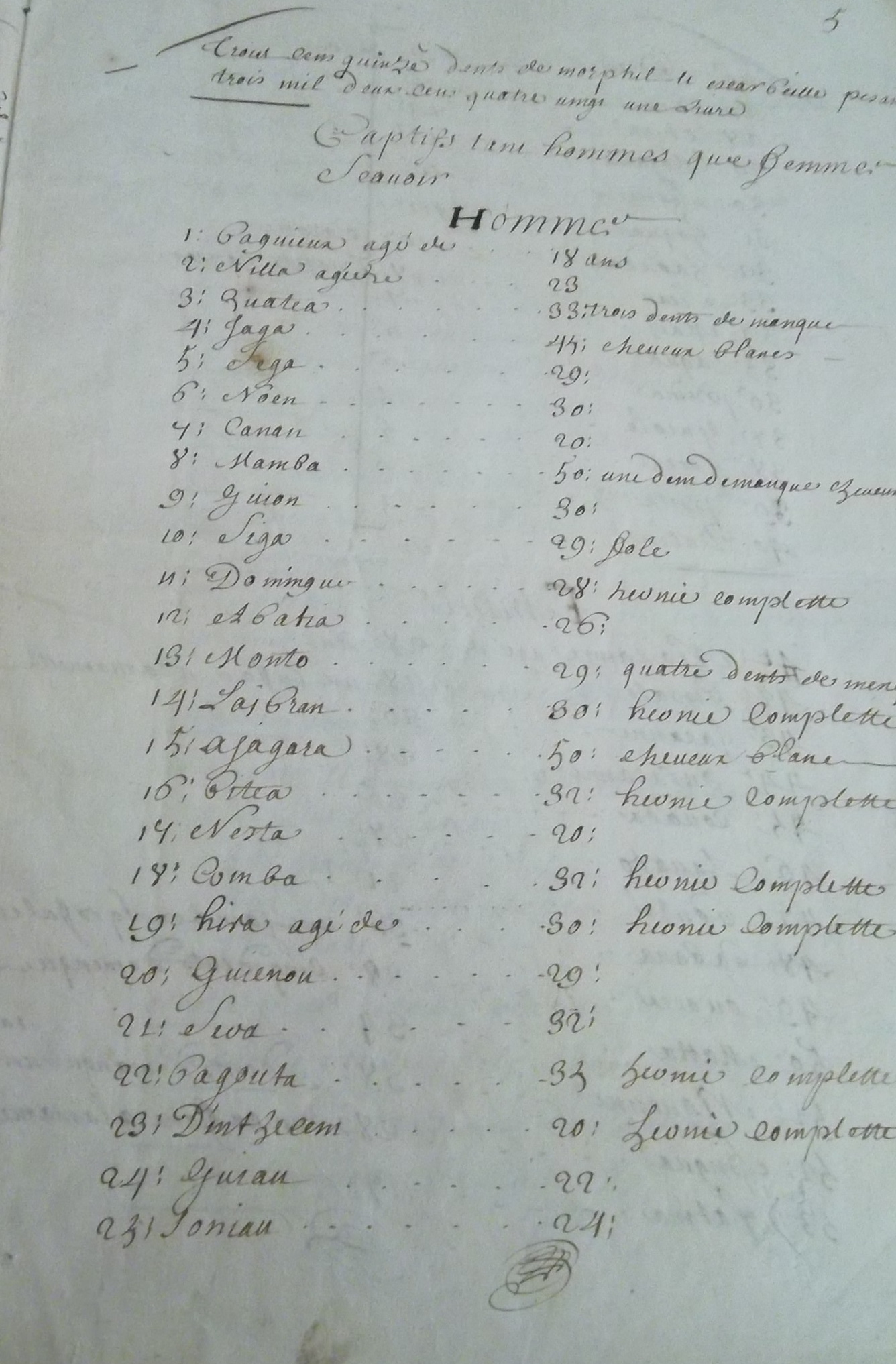
 This week The Junto is dedicated to a roundtable review of Richard S. Dunn’s A Tale of Two Plantations: Slave Life and Labor in Jamaica and Virginia (Cambridge: Harvard University Press, 2014). Professor Emeritus at the University of Pennsylvania, Dunn’s previous publications include one of the seminal texts on Caribbean slavery and sugar plantation agriculture, Sugar and Slaves: The Rise of the Planter Class in the English West Indies, 1624-1713 (Chapel Hill: University of North Carolina Press, 1972). Dunn’s newest book is an unflinching study of Afro-Caribbean and antebellum U.S. slavery in the final decades of both systems. Continue reading

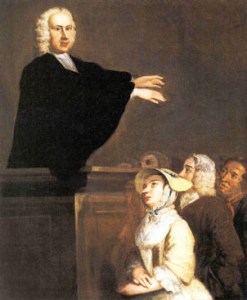 Those familiar with the first great awakening will undoubtedly recognize George Whitefield as a key figure of eighteenth century evangelical culture in Britain and its American colonies. Like many associated with the Methodist movement in Whitefield’s time, the prolific preacher and publisher saw himself as an Anglican in discussion with the Church of England about reform and an allowance for a broader religious experience. However, his theology, the new birth doctrine, the gathered church, etc., all alienated Whitefield from the Anglican hierarchy within the first few years of his missionary career.
 The following is an interview with Kyle Bulthuis, an assistant professor of history at Utah State University. Jonathan Wilson’s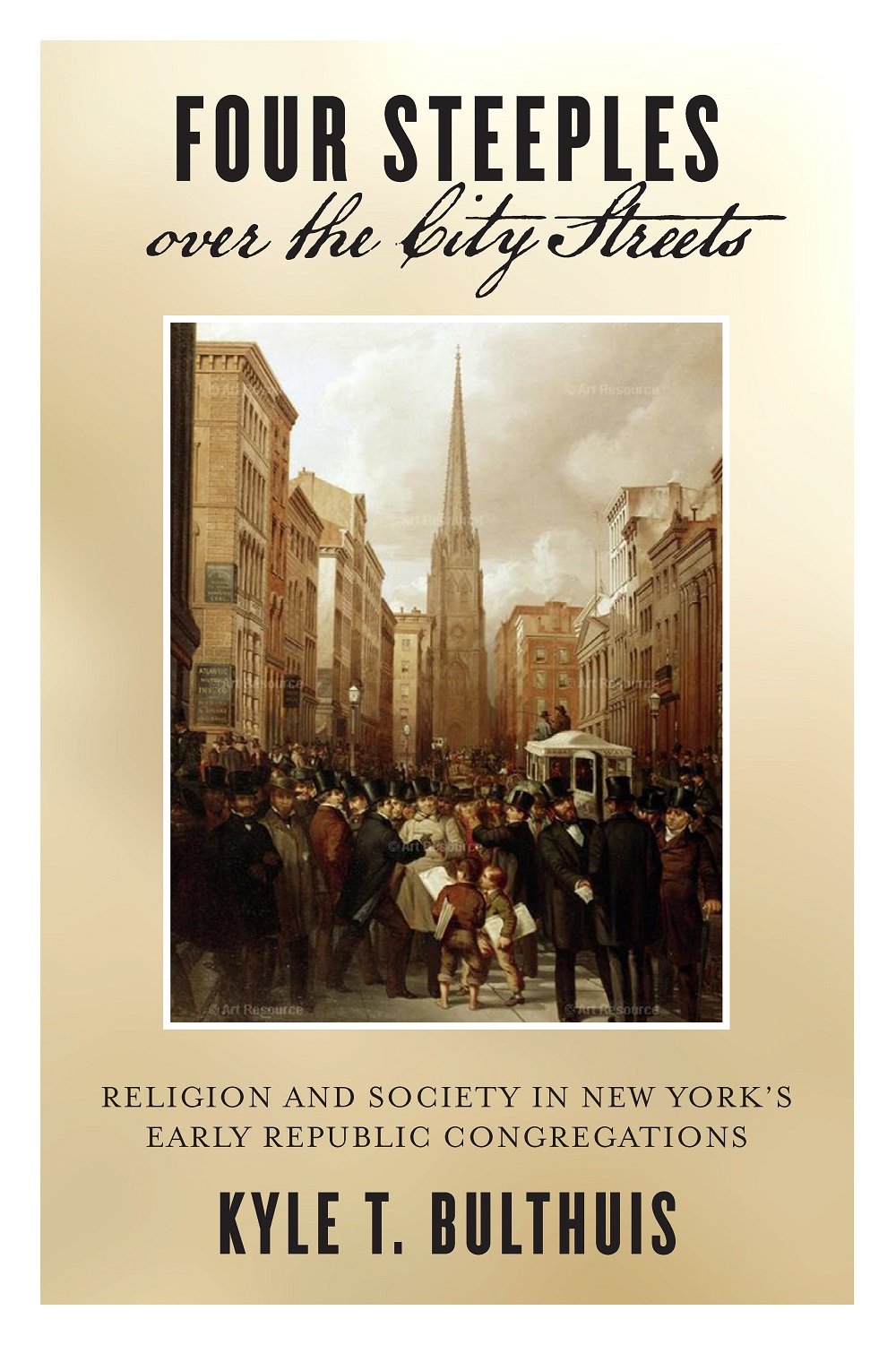

 The Junto