Today’s guest post comes from Cambridge Ridley Lynch, a PhD student at the Graduate Center, CUNY. She is currently working on a project that links American weather study with larger shifts in American science and politics.
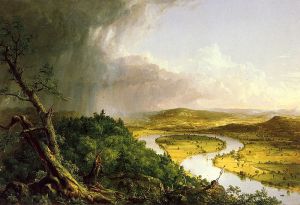
In their recent recap of the MCEAS’ “Traces of Early America” conference, Sara Damiano and Michael Blaakman spoke of the need to examine “processes, events, ideas, and dynamics that subsequent history has largely obscured, and that often pose significant evidentiary problems for those who wish to write about them.” Clearly, the work presented at the conference did much to flesh out adumbrations left throughout the historical record, often by focusing on close reading of specific events, personages, and texts. But what about a factor that is so ubiquitous so as to hardly be thought of at all, one that every single person in a historical moment and place experiences at the same time, and yet goes largely unremarked upon in historical texts? Naturally, I’m talking about the weather. Continue reading
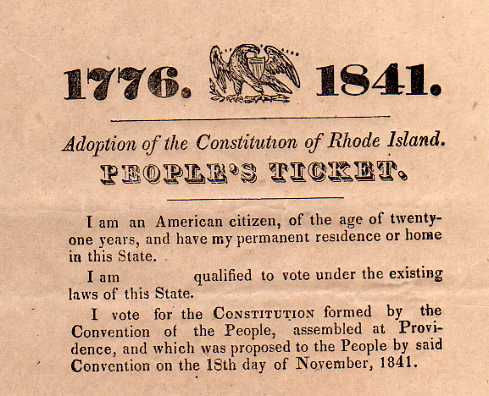
 Sept. 19-21, 2013 marked the
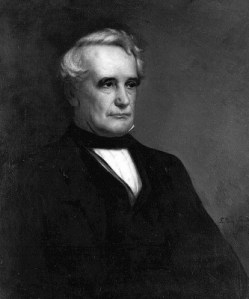

 How should we choose to remember the lives and works of historians, and what do these choices say about our profession? The recent deaths of Edmund Morgan and Pauline Maier have led me to ponder these questions. I have watched with interest as historians have taken to social media—blogs, H-Net listservs, Twitter, and Facebook—to celebrate the lives of Morgan and Maier and to critique commemorations in the national press.
 The Junto