The meaning of the American Civil War has been, and still is, one of the most contentious issues facing the United States today. An aspect of the war that seems to be less spoken about though, was the role of Black women internationally during the Civil War. Wars of the scale of the American Civil War rarely lack an internationalist component. For the already internationalist American abolitionist movement, when the Civil War began in 1861, the abolitionist struggle shifted south with the work of women like Harriet Tubman and Charlotte Forten, but there were still important battles being waged internationally over the war and its meaning.
The Black woman who took the international abolitionist stage during the Civil War was Salem, Massachusetts’ Sarah Parker Remond. After having been in the British Isles for almost two years prior to the war, Remond’s abolitionist tour expressed a stronger sense of urgency, as the war provided a tangible arena for potential ending of slavery. While doing so, she developed notions of performative citizenship. Performative citizenship was an aspirational basis of struggle for realized citizenship based on Black abolitionist women’s proclamations of African-American identities. Those identities were based on economic and intellectual analyses of the central role their race’s plunder played in American economic growth. Continue reading
 After a brief break to make room for the fantastic “
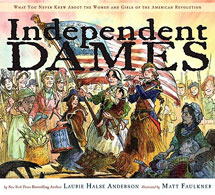 Thanks to all of our contributors and commentators who have participated in
 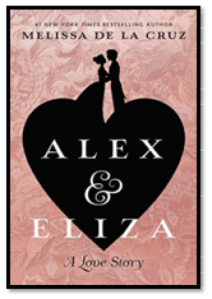 Hilary Mantel recently gave the annual BBC Reith Lecture in which she described why she became a historical novelist. Printed in
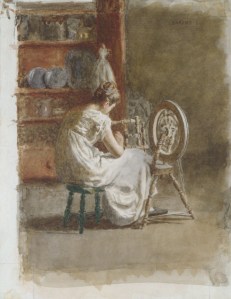


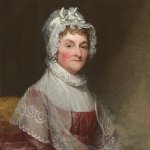

 Today at The Junto we’re featuring an interview with
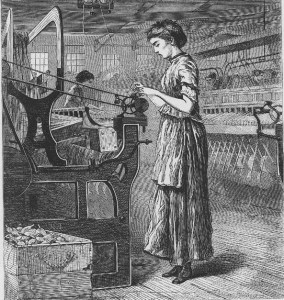 One of the best questions a historian can ask is, “what am I missing?” Whatever you’re investigating, and whatever stage you’re at, it’s always worth your while to step back and look around. If you’ve been focusing on something, using a particular lens, it can be pretty hard to pan out. That’s where setting aside time for more eclectic reading really helps—journals and blogs are convenient ways to keep your field of vision broad. Sometimes, they can give you a kick. That’s how I felt about the forum on women’s history in this summer’s issue of the Journal of the Early Republic.[1]
  The Junto