 Last week, an anonymous Ph.D. student published a Guardian op-ed under the headline “I’m a serious academic, not a professional Instagrammer.” Among other complaints, the author (a laboratory scientist) condemned the practice of livetweeting academic conferences. Livetweeters care less about disseminating new knowledge, Anonymous wrote, than about making self-promotional displays: Look at me taking part in this event.
I hate to admit it, but the author may have a point. When I shared the article, one of my friends, an anthropologist, observed that she finds livetweeting “baffling” because she would rather listen—and be listened to—than be distracted during a conference talk. Katrina Gulliver, an influential advocate of Twitter use by historians, told me (via, yes, Twitter) that she no longer approves of conference livetweeting either. “Staring at screens is uncollegial,” she argued; it interferes with face-to-face discussions, and the value of the information passed along is dubious too, because “tweets present (or misrepresent) work in [a] disconnected, out of context way.” Bradley Proctor told me he has had one of his talks misrepresented by a livetweeter—a particularly sensitive issue for someone who researches Reconstruction-era racial violence.
Surely these are important concerns. It seems to me that conference livetweeters—yours truly included—need to get better at articulating explicit objectives and boundaries if we’re going to take these risks. So what do people say about the way they use Twitter at conferences?
 Over the past couple years, friends have asked me a lot about
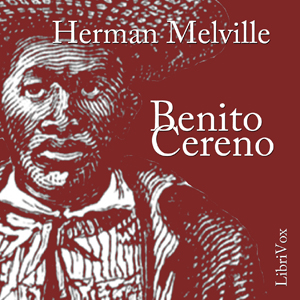
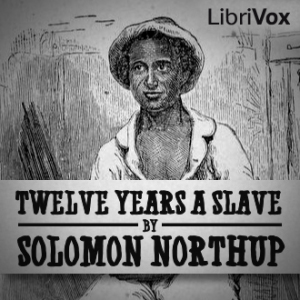 As a newly-minted ABD embarking on my first stab at teaching the early American history survey, I find myself buried beneath my own excitement for the material. No one warned me that the biggest obstacle to designing a course would be curbing my own unrelenting enthusiasm. Perhaps no part of that enthusiasm has proven more damaging to my syllabus than my passion for storytelling. Specifically, I approached teaching the early America survey with a litany of historical works of fiction and non-fiction that I wanted to familiarize undergraduates with: 12 Years a Slave, Benito Cereno, Poor Richard’s Almanac, Letters From an American Farmer, among many, many other titles. Before too long I was looking at a weekly reading word count over 150 pages. Yikes.
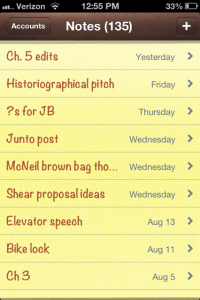 A few weeks ago, I dropped my iPhone in water. If you were wondering, those things do not float. As I pulled the phone out and dried it as best I could, all I could think about was my dissertation. I was in the throes of finishing a chapter, and I had a lot of really good ideas on that phone. In this post, I want to explain why my phone has become so important to my scholarly life.
  Here at The Junto, we
 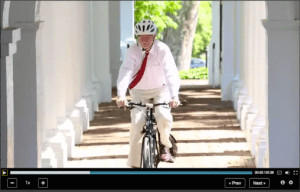 I have a confession to make: I have been watching MOOCs. I feel guilty about it, honestly, I do—not so much about the fact that I have been watching them, but more about the fact that I have also been enjoying them.
 The Junto