How do we select the sources we use? How do we approach those sources once we’ve selected them? What does that process do to the stories we eventually tell about the past? And, what happens when our sources disagree with the choices we’ve made?
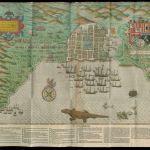
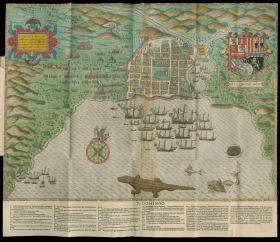
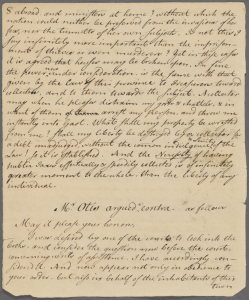
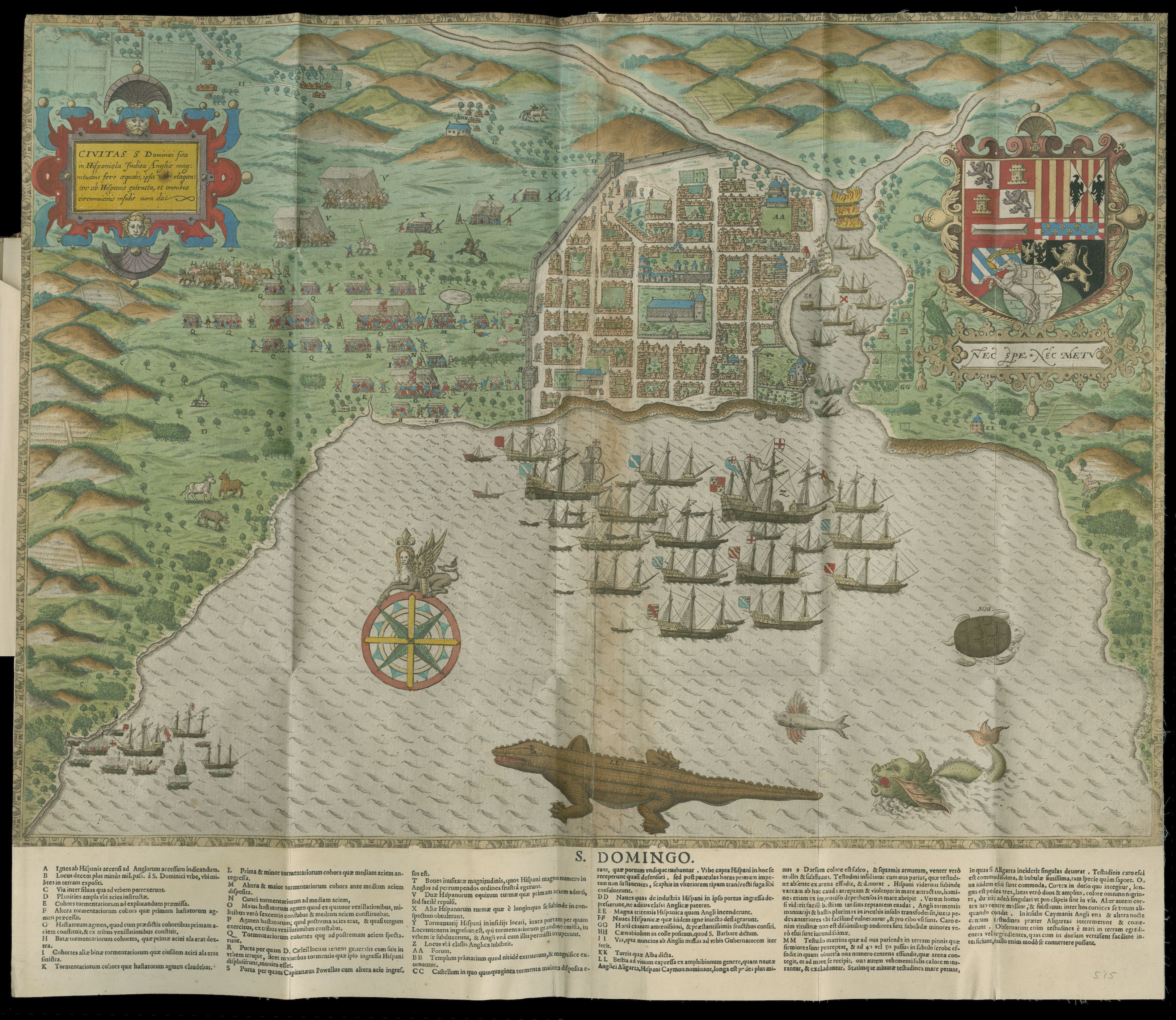
That last question is one that historians working on the early modern period rarely have to grapple with – after all, the individuals who wrote the letters, manuscripts, and account books that we read have been dead for a very long time. And, it is an issue that I’ve blithely ignored until I read Manuel Gonzalez Pallano Tinoco’s “Narrative of the Invasion of La Española, Santo Domingo, which the English Attempted in 1655.” It is near the end of Captain Tinoco’s detailed description of the failed English invasion of Spanish Santo Domingo that this long-deceased chronicler called out future historians who would use his narrative on any but his own terms. And, his reasoning was compelling enough to make me question my own methodology in using his history in my work. Continue reading →

 On the road this week for Thanksgiving? Or expecting to spend long hours in the kitchen? For some of us, this holiday means listening to podcasts. (And podcasters have noticed. Thanks, Serial.) Whether you’re downloading them for the road or streaming them from a browser, this could be a good week to catch up on episodes related to the history and culture of the Thanksgiving holiday. Here are a few suggestions we’ve compiled for your convenience this year.
 Terri Snyder is Professor of American Studies at California State University at Fullerton who specializes in slavery and gender. She received her PhD in 1992 from the University of Iowa. In 2003, Cornell University Press published her first book,

 Happy Sunday, and welcome to another edition of The Week in Early American History. Here at the Junto, we’re gearing up for the Sweet Sixteen beginning tomorrow (since Villanova, Iowa State, and Baylor have basically thwarted our brackets for that “other” March Madness). Here for your enjoyment before you get distracted by basketball (or by trying to avoid basketball), are today’s links.
 The Junto
